
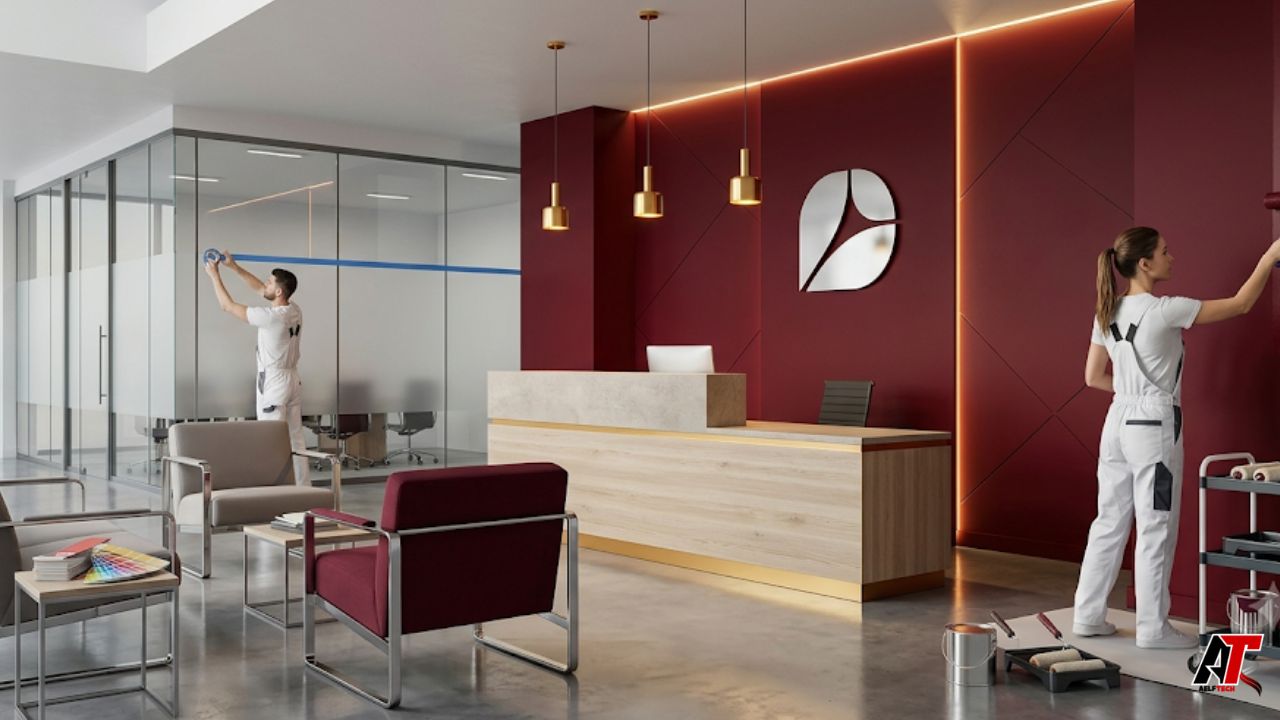
Business premises say a lot before a customer, employee, investor, or visitor speaks to anyone inside. The look, comfort, and condition of a workplace can shape trust, confidence, and first impressions within seconds. This is why commercial decorating has become much more than repainting walls. It is now an important part of business modernisation, brand presentation, workplace comfort, and customer experience.
Modern businesses need spaces that feel fresh, practical, welcoming, and aligned with their identity. An outdated office, shop, clinic, restaurant, warehouse reception, or showroom can make a company appear less professional, even if the services are excellent. On the other hand, a well-decorated commercial space can communicate quality, care, organisation, and growth.
Commercial decorating helps transform ordinary premises into modern environments that support daily operations and long-term business goals. From colour planning and durable finishes to surface preparation, branding, safety, and scheduling, professional decorating can refresh a space without unnecessary disruption. This article explains how commercial decorating helps modernise business premises and why it matters for companies that want to stay competitive.
What Is Commercial Decorating?
Commercial decorating is the professional improvement of business spaces through painting, finishing, wall coverings, surface treatments, protective coatings, and design-led decoration. It is different from basic domestic decorating because commercial premises often need stronger materials, faster project planning, health and safety awareness, and work completed around business hours.
A commercial decorator may work in offices, retail stores, schools, hospitality venues, healthcare buildings, industrial units, public buildings, or apartment blocks. Their job is not only to make the premises look better. They also help choose finishes that can handle foot traffic, cleaning routines, moisture, sunlight, branding needs, and daily wear.
For example, a retail store may need attractive colour schemes that guide customers through the space. A medical clinic may need calming shades and hygienic, easy-clean surfaces. A corporate office may need a refined look that reflects professionalism and encourages employee focus. In each case, commercial decorating supports both appearance and function.
1. It Creates a Strong First Impression
First impressions matter in every industry. When a visitor walks into a business, the interior condition immediately sends a message. Faded paint, chipped skirting boards, damaged walls, dull corridors, and old-fashioned colours can make a business look tired. Even small visual issues can affect the way people judge the quality of the company.
Commercial decorating modernises the premises by giving the environment a clean and updated look. Fresh paint, smooth finishes, neat detailing, and coordinated colours can make a space feel more professional. This is especially important for customer-facing businesses such as salons, estate agencies, dental clinics, restaurants, hotels, showrooms, and retail outlets.
A modern interior does not always need to be expensive or dramatic. Sometimes, the right colour palette, improved lighting contrast, repaired surfaces, and high-quality finishes can completely change how the space feels. The result is a more confident business image that supports customer trust.
2. It Aligns the Premises with Brand Identity
Branding is not limited to logos, websites, and marketing materials. A physical space is also part of the brand experience. The colours, textures, wall finishes, signage areas, and decorative choices inside a business can reinforce what the company stands for.
For example, a creative agency may choose bold feature walls, open layouts, and energetic colours. A financial consultancy may prefer neutral tones, clean lines, and premium finishes that communicate stability. A wellness clinic may use soft, natural shades that help visitors feel relaxed. Commercial decorating helps bring these brand ideas into the physical environment.
This matters because customers often remember how a place made them feel. If the premises match the brand message, the business appears more consistent and trustworthy. A modernised space can also support photography, social media content, recruitment, and client meetings because it gives the company a stronger visual identity.
3. It Improves Employee Comfort and Productivity
Employees spend many hours inside business premises, so the environment can affect mood, motivation, and productivity. Dull colours, poor maintenance, dark rooms, and worn surfaces can make a workplace feel uninspiring. A modern decorating project can create a cleaner, brighter, and more comfortable setting for the team.
Colour psychology is not a magic solution, but it does influence how a space feels. Light neutral shades can make small offices feel bigger. Warm tones can create a welcoming atmosphere in shared areas. Accent colours can add energy to meeting rooms or creative spaces. Matte finishes can reduce glare, while durable paints can keep high-use areas looking fresh for longer.
When employees see that their workplace is cared for, it can improve morale. A refreshed environment can also support better organisation, easier cleaning, and a more positive culture. For many businesses, decorating is a practical investment in both appearance and workplace wellbeing.
4. It Makes Customer Areas More Welcoming
Customer areas need to feel clean, comfortable, and easy to use. Waiting rooms, receptions, lobbies, dining areas, fitting rooms, display zones, and consultation spaces all influence the customer experience. If these areas feel outdated, customers may question the professionalism of the business.
Commercial decorating can modernise customer spaces by improving the flow, atmosphere, and visual appeal of the premises. A reception area with fresh walls, attractive finishes, and coordinated colours can feel more organised. A restaurant with warm feature walls and durable coatings can feel more inviting. A shop with clean display backgrounds can help products stand out.
These improvements can encourage customers to stay longer, feel more comfortable, and remember the business positively. A modern environment can also make staff feel more confident when welcoming visitors or presenting services.
5. It Helps Protect Surfaces and Reduce Maintenance Issues
Modern commercial decorating is not only about colour. It also protects the building. Commercial spaces experience more wear than many residential properties because they often have high foot traffic, frequent cleaning, moving furniture, deliveries, equipment, and customer use.
Professional decorators can recommend paints, coatings, and wall coverings designed for durability. This may include washable paints for corridors, anti-scuff finishes for busy areas, moisture-resistant coatings for kitchens or washrooms, and specialist products for industrial or exterior surfaces. Proper preparation also matters. Filling cracks, sanding surfaces, priming correctly, and treating problem areas can help the final finish last longer.
By protecting walls, ceilings, doors, trims, and exterior surfaces, commercial decorating can reduce future repair costs. A business that invests in the right finishes may spend less time dealing with peeling paint, stains, chips, and tired-looking interiors.
6. It Supports Safer and More Practical Workspaces
A modern business premises should not only look attractive. It should also be practical and safe. Commercial decorating can support safety by improving visibility, refreshing marked zones, using suitable coatings, and keeping surfaces in better condition.
In some premises, decorating may include clear colour zoning for different departments, safer stairwell finishes, brighter corridors, or anti-slip floor coatings where appropriate. In public buildings and workplaces, choosing the right materials can also help with hygiene, cleaning, fire safety considerations, and general maintenance.
Professional planning is especially important when a business must continue operating during the work. Commercial decorators can often work in phases, outside opening hours, or during quieter periods. This helps reduce disruption while still improving the premises.
7. It Can Increase the Perceived Value of a Business
A well-maintained commercial space can make a business appear more successful and reliable. Whether the company is trying to attract new customers, impress clients, hire staff, or prepare a property for lease, decoration can increase perceived value.
For landlords and property managers, modern decorating can make units more appealing to tenants. For retail businesses, it can make products look more premium. For service providers, it can make consultations feel more professional. For offices, it can help create a space that supports company culture and growth.
This does not mean every business needs luxury finishes. The key is choosing decoration that fits the target audience, building type, budget, and brand. A smart, clean, durable finish can often deliver a strong return because it improves how people experience the business.
8. It Helps Older Premises Feel Modern Without Full Renovation
Not every business can afford or needs a complete renovation. Commercial decorating is often a cost-effective way to modernise older premises without major structural changes. A tired space can be updated through repainting, feature walls, refreshed woodwork, modern wall coverings, repaired surfaces, and better colour coordination.
This is useful for businesses operating in older buildings where the layout may still be functional but the appearance feels dated. Instead of replacing everything, decorating can highlight the best features of the building while covering imperfections and creating a cleaner look.
For example, old timber trims can be refreshed with a modern finish. Dark corridors can be made brighter with lighter colours. Plain walls can be improved with subtle textures or branded accents. These changes can make the premises feel current without the cost and downtime of a major refurbishment.
9. Why Professional Commercial Decorators Matter
Business premises often require a higher level of planning than home decorating. Deadlines, access, safety rules, surface durability, customer disruption, and professional finish quality all matter. This is why hiring experienced commercial decorators can be a smart decision.
A professional team will usually assess the condition of the surfaces, recommend suitable materials, plan the work schedule, protect furniture and flooring, and complete the decoration to a high standard. They can also help avoid common problems such as poor adhesion, uneven coverage, wrong product choices, and finishes that wear out quickly.
For businesses that want local expertise, working with commercial decorators in Edinburgh can help ensure the project is handled with commercial standards, professional planning, and finishes suitable for busy premises. The right decorator understands that business spaces must look good, last well, and support day-to-day operations.
Practical Decorating Ideas for Modern Business Premises
A successful decorating project should begin with clear goals. Before choosing colours, the business should ask what the space needs to achieve. Does it need to feel more welcoming, more premium, more energetic, more calming, or more practical? Once the goal is clear, the decorating choices become easier.
Neutral walls with branded accent colours can work well for offices and professional spaces. Durable washable paints are useful in corridors, schools, clinics, and hospitality settings. Feature walls can create focal points in receptions or meeting rooms. Textured wall coverings can add depth to premium spaces. Exterior repainting can improve kerb appeal and make the building look better maintained.
Businesses should also think about long-term maintenance. Choosing the cheapest paint may save money at first, but it may not last in a busy commercial setting. A better approach is to choose finishes that match the level of use in each area. This helps the premises stay modern for longer.
Conclusion
Commercial decorating plays a strong role in modernising business premises because it improves much more than appearance. It supports brand identity, customer experience, employee comfort, surface protection, safety, and perceived business value. A fresh, well-planned space can make a company look more professional and help people feel more confident when they visit or work there.
For many businesses, decorating is one of the most practical ways to update premises without a full renovation. With the right colours, finishes, materials, and professional planning, an outdated space can become cleaner, brighter, more durable, and more aligned with modern business expectations.
As aelftech.com often highlights through business and digital growth content, presentation matters online and offline. A modern website builds trust in the digital world, while a modern commercial space builds trust in the real world. When both work together, a business creates a stronger and more memorable brand experience.
Leave a Reply