
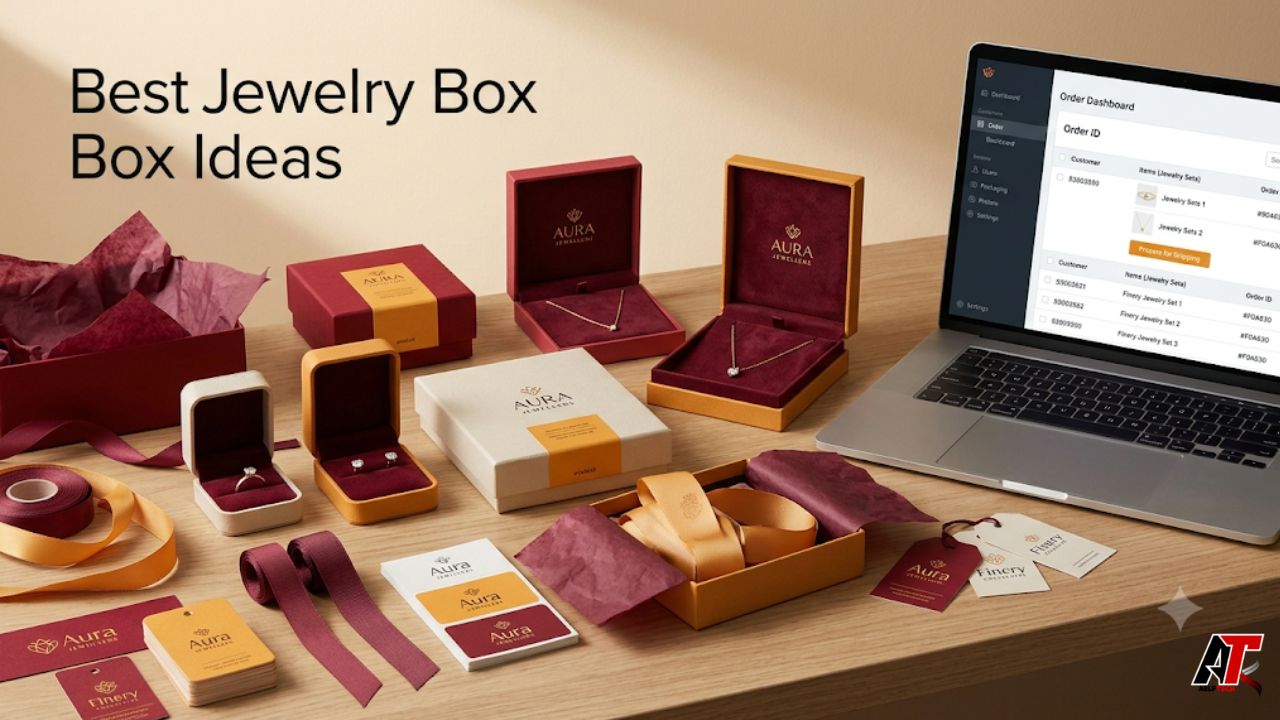
For a small jewelry business, the box is more than packaging. It is the first physical touchpoint between your brand and the customer. A ring may be tiny and a necklace may be delicate, but the opening moment can feel big.
Good packaging protects the product, improves perceived value, supports your brand story, and makes the purchase feel gift-ready. Poor packaging can make even a beautiful handmade piece look rushed or forgettable.
Small businesses do not need huge budgets to create a premium experience. You can start simple, choose smart materials, and upgrade as your sales grow. This guide covers practical jewelry box ideas, from affordable starter boxes to custom branded packaging.
Why Jewelry Boxes Matter for Small Businesses
Customers do not judge jewelry only by the item itself. They also judge the care, presentation, and confidence behind the purchase. When your packaging looks organized, it tells the buyer that your business pays attention to details.
A strong jewelry box reduces damage, makes the product easier to gift, and gives your brand a professional look in photos and unboxing videos. It can also encourage repeat purchases because customers remember how the order made them feel.
This matters for brands selling through Instagram, Etsy, Shopify, boutiques, and pop-up markets. You may not have a retail showroom, but your packaging can still create a showroom-level impression at home.
Start With Your Product Type
The best box depends on what you sell. A ring needs a different presentation than a layered necklace or chunky bracelet. Before ordering packaging, list your main product categories and measure each piece carefully.
Ring boxes should hold the ring firmly. Necklace boxes need enough space for the chain to sit neatly. Bracelet and bangle boxes usually need stronger structure. Earring boxes can be small, but they should include a card, foam insert, or slot system.
Many sellers choose one box for everything. That may save money at first, but it can create awkward presentation. A better approach is to choose two or three core sizes that cover most products.
Minimalist Kraft Boxes for Budget-Friendly Branding
Kraft boxes are one of the most practical choices for new jewelry brands. They are usually simple, lightweight, and easy to customize with stickers, stamps, ribbons, or belly bands. Their natural look works well for handmade, boho, sustainable, or artisan-style jewelry.
The main advantage is flexibility. You can buy a clean box in small quantities and add your branding later. A gold foil sticker, maroon ribbon, thank-you card, or printed sleeve can make a basic kraft box feel more premium.
This option is ideal for small businesses that are still testing product-market fit. You do not need to invest in expensive custom packaging before you know which products sell best. Start with a clean base, create a consistent color palette, and upgrade once repeat orders become stable.
Velvet and Suede Boxes for a Luxury Feel
Velvet and suede-style boxes create an instant sense of softness and luxury. They work especially well for engagement rings, fine jewelry, premium earrings, pendants, and special gift collections.
These boxes are more emotional than practical. The texture makes the customer slow down during the unboxing moment. It also helps jewelry stand out in product photography because the soft surface contrasts beautifully with metal, stones, pearls, and crystals.
However, small businesses should use luxury boxes carefully. If the packaging costs too much, it can reduce profit margins. A good strategy is to reserve velvet or suede boxes for higher-priced items, wedding collections, limited editions, or gift bundles. That way, the premium box supports the selling price instead of eating into your profit.
Drawer-Style Jewelry Boxes for Memorable Unboxing
Drawer-style boxes are popular because they feel interactive. Instead of simply lifting a lid, the customer pulls the drawer open. That small movement makes the product reveal feel more special.
This type of box is useful for necklaces, bracelets, and gift sets. It can also hold multiple items, such as a necklace and matching earrings. You can add tissue paper, a soft insert, a care card, or a small pouch inside the drawer.
For branding, drawer boxes offer good surface area. The outer sleeve can carry your logo, while the inner tray can include a printed message or color contrast. If you sell online, drawer-style packaging can also look attractive in social media reels and customer-generated content.
Two-Piece Rigid Boxes for Premium Gift Orders
Two-piece rigid boxes have a separate base and lid. They are stronger than simple folding cartons and often feel more gift-ready. For small businesses, they can be a strong option for holiday campaigns, bridal jewelry, corporate gifting, and premium bundles.
The biggest benefit is structure. A rigid box protects the jewelry and creates a high-end impression. It also gives you more room for inserts, cards, ribbons, and tissue paper.
The downside is storage space and cost. Rigid boxes take more room than flat-packed packaging. Before ordering them in bulk, check how many units you can store safely. Also compare the packaging cost with your average order value. If a rigid box helps you charge more or increase repeat purchases, it may be worth the upgrade.
Custom Logo Boxes When Your Brand Is Ready
Once your brand has steady sales, custom logo boxes can help create stronger recognition. A printed logo makes your business look more established and makes the customer experience feel complete.
Small businesses can explore options such as foil stamping, embossing, debossing, UV printing, printed sleeves, magnetic closures, or branded inserts. For example, a simple black box with a gold logo can feel elegant. A cream box with a maroon ribbon can feel romantic. A matte white box with a minimal logo can feel clean and modern.
Businesses that want supplier options can review a ready collection of packaging styles like this jewelry box selection, or compare custom jewelry boxes with logo wholesale when they are ready for branded bulk orders.
Before ordering custom packaging, ask for samples. Check the print quality, logo placement, material strength, insert fit, and real color under natural light. A digital mockup can look perfect, but the sample tells you how the final box will feel in a customer’s hands.
Eco-Friendly Jewelry Box Ideas
More buyers now care about packaging waste. For small jewelry brands, eco-friendly packaging can support both brand values and customer trust. You can choose recycled paper boxes, kraft materials, soy-based inks, reusable pouches, compostable mailers, or minimal plastic-free wrapping.
The key is to be honest. Do not use sustainability claims unless they are true. Instead of saying your packaging is fully sustainable, explain the specific choice. For example, say that your boxes use recycled paper, your mailers are plastic-free, or your pouches are reusable.
Eco-friendly packaging does not have to look plain. A recycled box with a warm ribbon, custom sticker, dried flower, or clean thank-you card can still feel beautiful. The goal is to reduce waste while keeping the unboxing moment polished.
Jewelry Box Inserts: Small Detail, Big Difference
The insert inside the box is just as important as the outside. It keeps the jewelry secure and improves presentation. Without the right insert, necklaces tangle, rings shift, earrings move around, and bracelets can scratch.
Common insert options include foam, velvet pads, satin cushions, cardboard slots, elastic bands, and molded trays. For handmade jewelry, card inserts are also useful because they can hold earrings or necklaces in place while showing your logo.
Choose inserts based on product weight and finish. Delicate chains need tangle control. Polished metal needs scratch protection. Earrings need stable holes or slots. Rings need a firm slit or padded groove. A neat insert makes the product look intentional, even when the outer box is simple.
Match the Box to Your Brand Personality
Your jewelry box should feel connected to your brand. A playful bead jewelry brand may need colorful boxes. A fine jewelry brand may need minimal premium packaging. A handmade clay earring brand may look better with kraft boxes and illustrated cards.
Think about the emotion you want the customer to feel. Should the box feel romantic, elegant, bold, youthful, natural, luxurious, or artistic? Once you know the emotion, choose colors, textures, and materials that support it.
This is where aelftech.com recommends keeping packaging consistent with your website, social media, and product photography. If your online brand feels modern but your packaging looks random, the customer experience becomes uneven. A consistent look makes your business easier to remember.
Best Jewelry Box Ideas by Business Stage
| Business Stage | Best Box Type | Why It Works | Upgrade Tip |
| New seller | Kraft or small cardboard box | Low cost and easy to brand | Add stickers and thank-you cards |
| Growing online store | Two-piece or drawer box | Improves unboxing and photos | Use branded sleeves or inserts |
| Premium collection | Velvet, suede, or rigid box | Supports higher perceived value | Reserve for high-ticket products |
| Established brand | Custom logo box | Builds recognition and consistency | Order samples before bulk production |
This simple stage-based approach keeps packaging practical. It lets you improve presentation without spending too much too early.
Add Personal Touches Without Raising Costs
Small details can make affordable packaging feel premium. A handwritten thank-you note, care instruction card, polishing cloth, branded sticker, discount code, or small pouch can improve the customer experience.
You can also add seasonal touches. For Valentine’s Day, use soft pink tissue paper. For weddings, add ivory ribbon. For Christmas, use gold accents. For a birthday order, include a small message card.
The best personal touches are useful, not cluttered. Too many extras can make packaging messy and expensive. Choose two or three elements that support your brand and keep them consistent.
Do Not Forget Shipping Protection
A beautiful jewelry box still needs proper shipping protection. If the box arrives crushed, the unboxing experience is ruined before the customer sees the product.
Use a strong outer mailer or shipping box. Add padding if the jewelry box has empty space around it. Avoid oversized mailers because the product can move too much during transit. If you ship delicate or high-value items, consider double boxing.
Also test your packaging before sending real orders. Place a sample jewelry box inside the mailer, shake it, drop it lightly from a safe height, and check whether the item moves. This simple test can prevent refunds, complaints, and damaged first impressions.
How to Choose the Right Supplier
Choosing a supplier is not only about price. You also need quality, consistency, communication, and realistic timelines. A low-cost box is not helpful if the color changes between batches or the lid does not fit properly.
Ask suppliers about material options, sample availability, minimum order quantity, printing methods, production time, shipping time, and replacement policies for defects. If you sell seasonal products, timelines matter even more. Late packaging can delay an entire product launch.
For custom boxes, confirm the artwork format before production. Keep your logo in a high-resolution vector file if possible. Also ask for a pre-production sample or detailed proof so you can approve size, color, and placement.
Common Jewelry Packaging Mistakes to Avoid
The first mistake is overbuying. New businesses sometimes order hundreds or thousands of boxes before testing customer response. Start with smaller quantities where possible.
The second mistake is ignoring product fit. A box that is too large makes the jewelry look small. A box that is too tight can damage the item or make it hard to remove.
The third mistake is choosing packaging only because it looks pretty. Packaging must also work for storage, shipping, photography, and profit margin.
The fourth mistake is inconsistent branding. Random colors, different sticker styles, and changing box types can make the business look less professional. Keep a simple packaging guide with your brand colors, logo rules, sizes, and inserts.
Final Thoughts
The best jewelry box ideas for small businesses are not always the most expensive. The right choice depends on your product type, price point, brand personality, shipping needs, and growth stage.
Start with packaging that protects the jewelry and feels clean. Then add branded touches as sales increase. Use premium boxes for premium products, eco-friendly materials when they match your values, and custom logo boxes when your brand is ready.
A jewelry box may seem like a small detail, but it can shape how customers remember your business. When the box feels thoughtful, the jewelry feels more valuable and your brand becomes easier to trust.
FAQs
What is the best jewelry box for a new small business?
Kraft boxes, small cardboard boxes, and simple two-piece boxes are good starter options. They are affordable, easy to customize, and suitable for testing different products before investing in fully custom packaging.
When should I order custom jewelry boxes with my logo?
Order custom logo boxes when your brand has steady sales, clear product sizes, and a consistent visual identity. It is better to confirm your best-selling products before placing larger custom packaging orders.
How can I make cheap jewelry boxes look premium?
Use consistent colors, quality stickers, ribbon, tissue paper, care cards, and neat inserts. A simple box can feel premium when the full presentation is clean and intentional.
Leave a Reply