
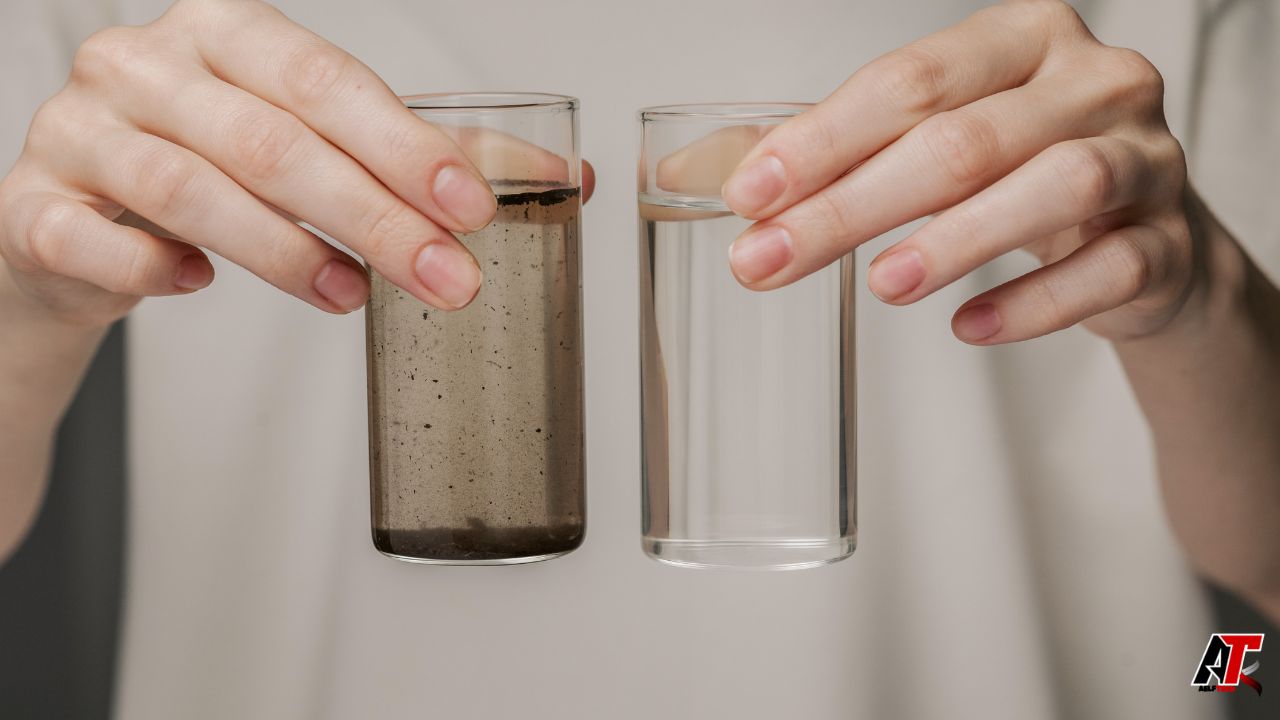
Whole home water filtration system solutions provide filtered water to every faucet, shower, and appliance throughout your home. Installed at the main water supply line, these systems treat water before it enters your plumbing, helping reduce sediment, chlorine, and other contaminants depending on the filtration technology used. Whether your water comes from a municipal supply or a private well, a whole home water filtration system can support cleaner water for drinking, cooking, bathing, laundry, and everyday household use.
As homeowners become more aware of water quality, many are choosing whole-house filtration systems to improve taste, protect plumbing fixtures, and support the performance of water-using appliances.
What Is a Whole Home Water Filtration System?
A whole home water filtration system, also known as a whole-house water filter or point-of-entry filtration system, is installed where the main water line enters a home. Unlike under-sink or countertop filters that treat water at a single location, a whole-home system filters water before it reaches every outlet in the house.
Depending on the system, filtration may help reduce:
- Sediment
- Sand
- Rust particles
- Chlorine
- Certain odors
- Some volatile organic compounds (VOCs)
- Other contaminants, depending on the filter media and system design
The specific contaminants reduced vary by product and certification.
How a Whole Home Water Filtration System Works
The filtration process generally involves several stages.
Water Entry
Water enters the home through the main supply line and flows directly into the filtration system.
Pre-Filtration
A sediment filter captures larger particles such as:
- Sand
- Dirt
- Rust
- Silt
This stage helps protect downstream filters and household plumbing.
Carbon Filtration
Activated carbon filters are commonly used to reduce:
- Chlorine
- Unpleasant tastes
- Odors
- Some organic compounds
Carbon filtration can improve the overall quality of household water.
Additional Treatment (Optional)
Some systems include extra filtration technologies such as:
- UV disinfection
- Water softening
- Iron removal
- Specialized media for certain contaminants
The appropriate configuration depends on your home’s water quality and treatment goals.
Benefits of a Whole Home Water Filtration System
Installing a whole-house filtration system offers several potential advantages.
Cleaner Water Throughout the Home
Every tap receives filtered water, including:
- Kitchen faucets
- Bathroom sinks
- Showers
- Laundry rooms
- Outdoor faucets (depending on installation)
Improved Water Taste and Odor
Many systems reduce chlorine and other substances that may affect taste and smell.
Plumbing Protection
Removing sediment can help reduce buildup in:
- Pipes
- Faucets
- Showerheads
- Water heaters
- Washing machines
- Dishwashers
This may help extend the life of plumbing components and appliances.
Better Bathing Experience
Filtered water may reduce chlorine exposure during showers and baths, depending on the filtration system used.
Reduced Sediment
Sediment filtration helps keep fixtures cleaner and supports efficient appliance operation.
Common Types of Whole Home Water Filtration Systems
Different filtration technologies are designed to address different water concerns.
Sediment Filters
These filters remove larger particles before they enter household plumbing.
Commonly used for:
- Well water
- Municipal water
- Pre-filtration
Activated Carbon Systems
Activated carbon is widely used to improve taste and reduce chlorine and odors.
Reverse Osmosis
Reverse osmosis is generally used for point-of-use applications because whole-house reverse osmosis systems are larger and more complex. They are typically installed only in specific situations where comprehensive treatment is required.
UV Water Purification
Ultraviolet systems help disinfect water by inactivating certain microorganisms. UV systems are often used alongside filtration rather than replacing it.
Water Softeners
Although technically different from filtration systems, water softeners are often installed with whole-home filtration to reduce water hardness.
Signs You May Need a Whole Home Water Filtration System
Several indicators may suggest it’s time to evaluate your water quality.
Unpleasant Taste
Water with an unusual taste may benefit from appropriate filtration, depending on the cause.
Chlorine Odor
A noticeable chlorine smell is common in some municipal water supplies.
Sediment
Visible particles in water may indicate the need for sediment filtration.
Staining
Rust-colored stains on fixtures may suggest elevated iron levels or other water quality issues that require testing.
Scale Buildup
Hard water can cause mineral deposits on faucets and appliances. A water softener may be recommended if hardness is confirmed through testing.
Whole Home Water Filtration System vs. Point-of-Use Filters
| Feature | Whole Home Water Filtration System | Point-of-Use Filter |
|---|---|---|
| Coverage | Entire home | Single faucet or appliance |
| Installation | Main water line | Individual outlet |
| Water Treatment | Whole-house | Localized |
| Plumbing Protection | Yes | No |
| Appliance Protection | Yes | Limited |
The right option depends on your water quality goals and household needs.
Choosing the Right Whole Home Water Filtration System
Selecting a system starts with understanding your water.
Test Your Water
A water quality test can identify issues such as:
- Sediment
- Chlorine
- Hardness
- Iron
- pH
- Other contaminants
This information helps determine the most appropriate treatment solution.
Consider Household Water Usage
Larger households often require systems with higher flow rates to maintain water pressure.
Filter Capacity
Choose a system with adequate capacity for your home’s daily water consumption.
Maintenance Requirements
Review the recommended schedule for replacing filter cartridges and servicing the system.
Installation Process
Professional installation generally includes:
Water Assessment
Technicians review your water source and household requirements.
System Selection
The filtration system is selected based on water test results and desired treatment objectives.
Installation
The unit is installed on the main water supply line before water is distributed throughout the home.
System Testing
After installation, the system is checked to verify proper operation and water flow.
Maintaining a Whole Home Water Filtration System
Routine maintenance helps keep the system operating efficiently.
Maintenance typically includes:
- Replacing filter cartridges
- Inspecting seals and fittings
- Monitoring water pressure
- Cleaning filter housings
- Servicing UV lamps (if applicable)
Maintenance intervals vary depending on the system and water conditions.
Environmental Benefits
Whole-home filtration may reduce reliance on bottled water, potentially decreasing plastic waste for households that choose filtered tap water for drinking.
FAQs
What is a whole home water filtration system?
A whole home water filtration system treats water as it enters the house, supplying filtered water to every faucet, shower, and appliance.
What contaminants can a whole-house filter reduce?
Depending on the system, it may reduce sediment, chlorine, certain odors, and other contaminants. Performance varies by filtration technology and product certification.
Do I need a water test before buying a filtration system?
A water quality test is recommended because it helps identify the specific issues that need to be addressed and supports selecting the most appropriate system.
How often should filters be replaced?
Replacement schedules vary by manufacturer, water quality, and household usage. Following the manufacturer’s maintenance recommendations is important for optimal performance.
Can a whole home water filtration system improve water taste?
Many activated carbon systems can improve taste and reduce chlorine odor, although results depend on the characteristics of the incoming water and the filtration technology used.
Conclusion
A whole home water filtration system provides a practical solution for improving water quality throughout your home. By filtering water at the point where it enters the plumbing system, these systems can help reduce sediment, chlorine, and other contaminants depending on the filtration technology selected. With proper system selection, professional installation, and regular maintenance, homeowners can enjoy cleaner water for drinking, cooking, bathing, and everyday household use while helping protect plumbing fixtures and appliances.
Leave a Reply