
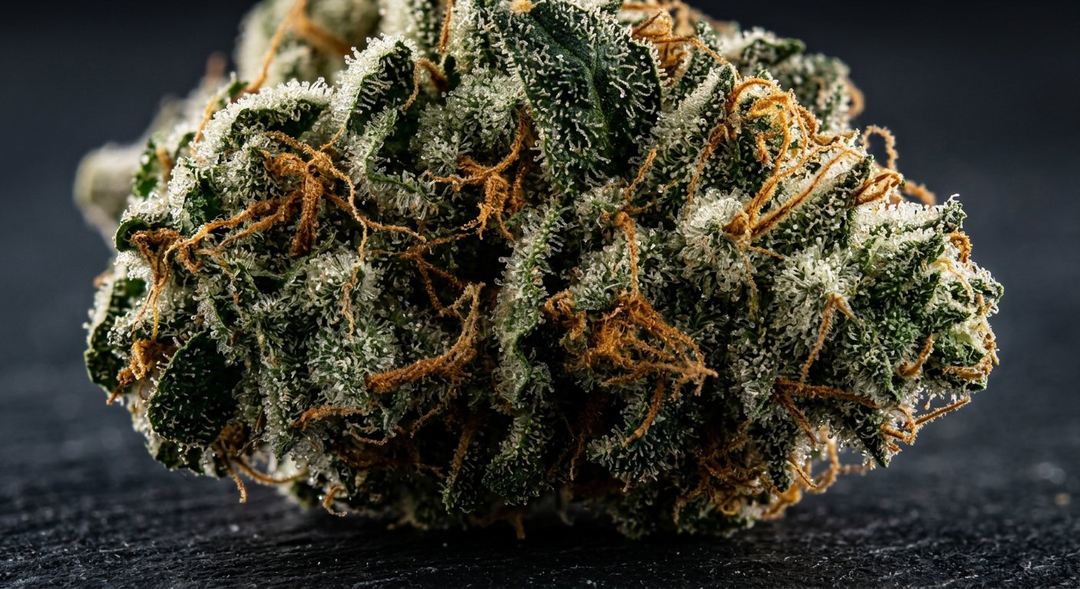
Cannabis breeding has changed considerably over the past several decades, and it has introduced new varieties with distinctive aromas, appearances, and chemical profiles. Despite this constant development, certain classic names remain familiar to enthusiasts, researchers, and cannabis industry observers. Among them, White Widow stands out as one of the most recognizable varieties in the development of modern hybrid cannabis. Its historical reputation, characteristic resinous appearance, and connection to European cannabis culture have helped maintain interest across generations.
Alongside Skunk varieties, White Widow represents an important chapter in the history of cannabis breeding. Both names belong to influential hybrid lineages that people widely discussed during the expansion of modern cannabis culture. Therefore, understanding their backgrounds, genetic diversity, reported characteristics, and continued relevance provides useful insight into why these established varieties remain recognizable even as newer cannabis products enter regulated markets.
What Is White Widow Cannabis?
White Widow is a well-known cannabis cultivar that traces back to hybrid breeding and the Dutch cannabis scene of the 1990s.
Growers and breeders commonly connect the name to plants that display prominent glandular trichomes, and these trichomes can give mature flowers a frosted or pale appearance.
Trichomes are small structures that appear on cannabis flowers and other plant surfaces.
In addition, certain glandular trichomes produce and store cannabinoids and aromatic compounds known as terpenes.
As a result, the appearance of these structures contributed to the cultivar’s recognizable name.
However, White Widow is not a scientifically standardized botanical variety with a universally verified genetic identity.
Different breeders and producers may sell products under the same name despite variations in lineage, chemical composition, and appearance.
Where Did White Widow Originate?
Most historical accounts place White Widow’s origin in the Netherlands during the 1990s.
These accounts frequently connect its development with Dutch seed breeding and coffee shop culture.
Descriptions of its ancestry often point to Brazilian and South Indian cannabis genetic sources.
However, sources dispute the precise breeding history, and public accounts differ regarding particular breeders and parent plants.
Readers should therefore treat these claims as part of the cultivar’s reported history rather than as independently established genetic facts.
Why Is White Widow Considered a Classic?
White Widow gained wide recognition during a period when named hybrid cannabis cultivars attracted international attention.
Its distinctive appearance and ties to influential breeding programs built its reputation.
Over time, the name appeared in seed catalogs, cannabis publications, and discussions of hybrid development.
As a result, this continuing recognition has helped establish White Widow as a familiar reference point in cannabis culture.
What Is Skunk Weed?
Skunk weed is a broad term that commonly describes cannabis varieties known for strong, pungent aromas.
Historically, the term Skunk also refers to influential hybrid breeding lines, particularly Skunk #1.
However, the term carries different meanings depending on location and context.
In some markets, Skunk refers to a particular family of cultivars.
In everyday language, however, people may use it more loosely to describe strongly scented or high-potency cannabis.
Readers should not treat these meanings as interchangeable.
The History of Skunk Cannabis
Most historical accounts link Skunk #1 to cannabis breeding developments during the 1970s and 1980s.
These descriptions commonly reference combinations of Afghan, Colombian, and Mexican genetic sources.
The cultivar became influential because later hybrid breeding programs incorporated it.
However, cannabis breeding history includes incomplete records and competing accounts.
Consequently, readers should evaluate specific ancestry claims cautiously.
Why Does Skunk Have a Strong Aroma?
Cannabis aroma results from combinations of volatile chemical compounds.
Terpenes contribute substantially to the scent profiles of many plants, including cannabis.
Researchers have also identified some sulfur-containing compounds as contributors to particularly pungent cannabis odors.
Overall, the precise aroma depends on the cultivar, growing conditions, processing, storage, and chemical composition.
Consequently, not every product labeled Skunk has the same scent.
7 Reasons White Widow and Skunk Genetics Remain Recognizable
Classic cannabis varieties continue to attract attention for several historical and cultural reasons.
1. Their Importance in Cannabis Breeding History
One reason White Widow remains widely discussed is its place in the history of named cannabis hybrids.
During the late twentieth century, breeders increasingly selected plants for characteristics such as appearance, aroma, flowering behavior, and chemical composition.
As recognizable cultivar names emerged, they helped establish a more organized commercial breeding culture.
White Widow became linked to this period of experimentation.
Similarly, Skunk breeding lines also influenced the development of numerous later varieties.
Their importance, therefore, lies partly in how frequently they appear in discussions of cannabis lineage.
Why Historical Genetics Matter
Plant breeding depends on selecting and combining inherited characteristics.
A historically influential cultivar can contribute traits to later breeding programs.
However, names alone do not verify genetic ancestry.
Instead, researchers need modern genetic testing to evaluate relationships between specific plant samples.
2. Their Distinctive Botanical Characteristics
People often describe White Widow as producing flowers with a prominent coating of glandular trichomes.
This visual characteristic helped distinguish it in historical descriptions.
In contrast, people more commonly recognize Skunk-associated varieties through their pungent aroma profiles.
However, physical characteristics vary between individual plants and commercial products.
Moreover, environmental conditions and cultivation practices can influence appearance and chemical composition.
Understanding Cannabis Trichomes
Trichomes are specialized plant structures.
In cannabis, certain glandular trichomes contain compounds such as THC, CBD, and aromatic substances.
Their density and appearance can vary.
Notably, a visibly resinous flower does not automatically indicate a particular THC concentration.
Therefore, accurately measuring cannabinoid content requires laboratory testing.
3. Their Continued Presence in Cannabis Culture
Classic cultivar names remain part of cannabis-related literature, media, and public discussion.
Historical accounts of Dutch cannabis culture frequently mention White Widow.
Similarly, Skunk varieties connect to influential hybrid breeding traditions.
This cultural familiarity helps explain why the names remain recognizable.
However, readers should not confuse cultural popularity with verified sales performance.
Reliable market data would be needed to establish current commercial rankings.
4. Their Influence on Hybrid Lineages
Cannabis breeders have historically used established cultivars as starting points for developing new varieties.
Descriptions of later hybrids often reference White Widow and Skunk-associated genetics.
However, these commercial lineage claims are not always independently verified.
For example, a product described as a descendant of White Widow may differ substantially from another product making the same claim.
Why Hybrid Lineages Vary
Plant breeding involves genetic variation.
Even related plants can display differences in appearance, chemical composition, and growth characteristics.
Repeated selection across generations can further alter these traits.
Therefore, readers should not expect two cultivars that share a historical ancestor to produce identical characteristics.
5. Their Recognizable Aroma Profiles
Writers often describe cannabis cultivars using sensory terms.
Commercial descriptions commonly associate White Widow with earthy, woody, or herbal notes.
In contrast, descriptions frequently characterize Skunk varieties as pungent, musky, or sharp.
However, these descriptions remain subjective.
Indeed, aroma can vary between batches, producers, and storage conditions.
6. Their Familiarity Across Generations
A recognizable name can remain culturally relevant even when newer products enter the market.
Consumers and industry observers may encounter classic cultivars through historical references, product catalogs, or discussions of cannabis breeding.
White Widow benefits from this familiarity.
However, recognition does not guarantee product consistency.
In fact, the same name may identify different genetic or chemical profiles in different markets.
7. Their Role in Cannabis Research and Classification Discussions
Classic cultivar names provide useful examples of the challenges involved in cannabis classification.
Researchers have examined how commercial strain names relate to genetic and chemical differences.
Studies have found that naming practices do not always correspond consistently with genetic relationships or cannabinoid profiles.
White Widow and Skunk illustrate why standardized testing and transparent product information matter.
Consequently, rather than relying exclusively on cultivar names, researchers and regulators increasingly emphasize measurable characteristics.
White Widow vs Skunk Weed
Although both names connect to classic cannabis genetics, they represent different historical and descriptive traditions.
| Feature | White Widow | Skunk Weed |
|---|---|---|
| Historical association | Dutch hybrid culture of the 1990s | Influential hybrid breeding from earlier decades |
| Common description | Resinous, frosted flowers | Strong, pungent aroma |
| Genetic identity | Varies by breeder and product | Broad term covering multiple lineages |
| Aroma descriptions | Often earthy or herbal | Often musky or pungent |
| Commercial naming | Widely used cultivar name | Cultivar family and general slang |
| Chemical composition | Requires laboratory verification | Requires laboratory verification |
| Historical importance | Recognizable hybrid reference | Influential breeding lineage |
| Product consistency | Not guaranteed by name | Not guaranteed by name |
Neither category can be reliably defined by a single THC percentage or terpene profile.
Instead, individual products must be evaluated separately.
The Genetic Background of White Widow
Historical descriptions of White Widow frequently reference Brazilian and South Indian cannabis genetics.
However, historical breeding records are not universally available.
Different sources attribute the original cultivar to different individuals or breeding organizations.
This uncertainty is common in older cannabis breeding histories.
Brazilian Genetic References
Some historical descriptions identify a Brazilian cannabis source as part of the reported ancestry.
However, documentation of the exact genetic characteristics of the original parent plant remains inconsistent.
Importantly, the label Brazilian does not identify a single scientifically standardized cannabis genotype.
South Indian Genetic References
Accounts of White Widow ancestry also commonly refer to South Indian cannabis material.
India has a long history of cannabis cultivation and cultural use.
However, this broad geographic reference does not establish the precise genetic identity of a particular historical plant.
Why Genetic Verification Is Difficult
Many older breeding programs operated before modern cannabis genetic testing became widely available.
Records may be incomplete or proprietary.
In addition, commercial propagation and repeated breeding can create divergence over time.
As a result, White Widow products sold by different suppliers may not be genetically identical.
Understanding White Widow Cannabinoid Profiles

Cannabinoids are chemical compounds that cannabis plants produce.
Two widely discussed cannabinoids are tetrahydrocannabinol, or THC, and cannabidiol, or CBD.
THC is primarily responsible for the intoxicating effects associated with cannabis.
By contrast, CBD does not produce the same characteristic intoxication.
Does White Widow Have a Standard THC Level?
No.
White Widow does not have a universally established THC concentration.
Published product descriptions may report different values, but these depend on the specific sample and testing method.
Moreover, growing conditions, genetics, processing, and storage can all influence chemical composition.
Therefore, any specific potency claim should rely on a laboratory result for the relevant product batch.
What About CBD Content?
CBD levels also vary.
A cultivar name cannot reliably establish the CBD concentration of a particular product.
Instead, consumers in regulated markets should consult accurate product labeling and applicable laboratory information.
Why Laboratory Testing Matters
Independent testing can provide information about cannabinoid concentrations and certain contaminants.
Depending on jurisdiction, required testing may include pesticides, heavy metals, residual solvents, microbial contaminants, or other substances.
Testing requirements differ between regulated markets.
Therefore, a product’s name should not substitute for verified safety information.
Terpenes and the Aroma of White Widow
Terpenes are aromatic compounds that occur in many plants.
They contribute to the scents of herbs, flowers, fruits, and cannabis.
Commercial descriptions of White Widow sometimes mention terpenes such as myrcene, pinene, or caryophyllene.
However, these compounds are not unique to the cultivar.
In fact, their concentrations vary between samples.
Myrcene
Myrcene occurs in several plant species.
It may contribute earthy or herbal aromatic characteristics.
However, the presence of myrcene does not establish a specific therapeutic effect.
Pinene
Pinene produces pine-like aromas.
It occurs in many plants and can contribute to the fragrance of certain cannabis products.
Caryophyllene
Caryophyllene has a spicy or peppery aroma.
It occurs in plants such as black pepper and cloves.
Although researchers study its biological properties, readers should not interpret laboratory findings as proof of clinical benefits from a specific cannabis product.
Why Aroma Does Not Prove Potency
Strong smell does not necessarily indicate high THC concentration.
Aroma and cannabinoid content involve different chemical characteristics.
For example, a pungent Skunk product may have a different cannabinoid profile from another strongly scented sample.
White Widow and the Indica vs Sativa Debate
Marketers frequently label cannabis products as indica, sativa, or hybrid.
Commercial settings widely recognize these categories.
However, they do not consistently predict the chemical composition or effects of a specific product.
Is White Widow an Indica or Sativa?
Marketers commonly sell White Widow as a hybrid.
However, readers should treat claims about precise indica-to-sativa percentages cautiously unless meaningful genetic evidence supports them.
Commercial markets use these terms inconsistently.
Why Classification Can Be Misleading
Research has demonstrated that commercial cannabis labels may not reliably correspond with chemical or genetic differences.
Indeed, two products carrying the same category label can have substantially different cannabinoid and terpene profiles.
Better Ways to Describe Cannabis Products
More informative product information may include:
- Verified cannabinoid concentrations.
- Relevant terpene measurements.
- Product form.
- Laboratory testing information.
- Batch identification.
- Applicable safety warnings.
- Accurate manufacturer information.
Overall, these details generally prove more useful than relying exclusively on traditional strain categories.
How Skunk Genetics Influenced Modern Cannabis
Commentators often discuss Skunk breeding lines as important contributors to later cannabis hybrids.
Their influence reflects the historical development of organized breeding programs.
The Importance of Skunk #1
Skunk #1 became a recognizable name in cannabis breeding literature.
Its historical reputation ties to hybrid development and distinctive aromatic characteristics.
However, commercial products using the name may not share identical genetic profiles.
Skunk as a Breeding Reference
Breeders have used Skunk-associated material in different hybrid combinations.
Over time, additional selection and crossbreeding produced new named varieties.
This illustrates how historical genetics can remain influential without producing uniform descendants.
Why the Term Skunk Can Cause Confusion
In some countries, people use Skunk broadly to describe potent cannabis.
This usage differs from referring to a particular breeding lineage.
The distinction matters when discussing research, public health, or product labeling.
Therefore, readers should not treat broad slang terms as precise scientific classifications.
Cannabis Genetics and Modern Scientific Research

Advances in genetic sequencing and chemical analysis have improved researchers’ ability to study cannabis diversity.
However, cannabis classification remains complex.
Genetic Fingerprinting
Genetic analysis can help identify relationships between plant samples.
It may also reveal differences between products marketed under similar names.
However, genetic similarity does not guarantee identical chemical composition.
Chemical Profiling
Chemical profiling measures the compounds that cannabis samples contain.
Researchers may examine cannabinoids, terpenes, and other constituents.
Overall, these measurements can provide more specific information than commercial strain names.
Environmental Influences
Environmental conditions and processing can influence plant chemistry.
Therefore, genetics represent only one part of a product’s final characteristics.
Why Standardization Matters
Reliable classification can support research, regulatory oversight, and accurate consumer information.
White Widow provides a useful example of why historical names alone may not offer enough scientific detail.
Are White Widow and Skunk the Same Strain?
No.
White Widow and Skunk represent different cannabis naming traditions and reported genetic histories.
Most accounts connect White Widow with a specific historical hybrid identity.
Skunk, meanwhile, may refer to a particular breeding lineage or a broader group of strongly scented cannabis varieties.
However, overlapping breeding histories and inconsistent commercial labeling can create confusion.
Do They Share Similar Characteristics?
Some products may share aromatic compounds, cannabinoid ranges, or visual features.
However, readers cannot assume these similarities from the names alone.
Instead, laboratory analysis must establish the characteristics of individual samples.
Which Is More Potent?
No scientifically reliable answer exists based solely on cultivar names.
Potency varies between products.
Therefore, claims that White Widow is always stronger or weaker than Skunk lack support without specific comparative testing.
White Widow in European Cannabis History
The Netherlands played an influential role in the development and commercialization of named cannabis cultivars.
Dutch breeding organizations and cannabis-related publications helped popularize various hybrid names during the late twentieth century.
White Widow became linked to this period.
Dutch Cannabis Culture
The Netherlands developed a distinctive cannabis retail policy environment.
However, Dutch cannabis laws and regulations remain complex.
The existence of coffee shops does not mean cannabis production and distribution have always been fully legal.
Historical policy arrangements involved restrictions and regulatory distinctions.
International Recognition
Cannabis cultivar names spread internationally through seed catalogs, publications, and industry discussion.
White Widow became one of the better-known names from this era.
However, precise historical market shares and sales rankings remain difficult to verify.
Lasting Cultural Influence
The continued appearance of White Widow in cannabis discussions reflects its historical familiarity.
Its recognition illustrates how cultivar names can become cultural identifiers even when genetic standardization remains limited.
Why Classic Cannabis Names Remain Commercially Relevant
Cannabis markets regularly introduce new product names.
However, older names can continue to attract attention because consumers recognize them.
Brand Familiarity
Familiar names can help people navigate large product catalogs.
However, familiarity does not guarantee quality.
Historical Reputation
Classic names may carry associations with particular breeding periods or product characteristics.
These associations can influence consumer expectations.
Product Differentiation
Producers may use recognizable cultivar names to describe products.
However, responsible labeling should accurately describe the actual product.
Consumer Education
Historical strains provide opportunities to explain cannabis genetics, chemical composition, and labeling limitations.
White Widow remains a useful example in these discussions.
White Widow and Responsible Cannabis Product Information
Cannabis laws differ significantly between countries and jurisdictions.
Products may be legal for medical or adult use in certain locations while remaining prohibited elsewhere.
Therefore, consumers should understand applicable laws before purchasing or possessing cannabis.
Verify Legal Status
Do not assume cannabis products are legal just because websites advertise them online.
Local rules may restrict possession, sale, transportation, or use.
Review Product Testing
In regulated markets, relevant laboratory results may provide information about composition and contaminants.
Testing requirements vary.
Understand Health Risks
THC-containing cannabis can impair attention, coordination, memory, and judgment.
Use may also produce anxiety, dizziness, or other unwanted effects.
Moreover, regular or heavy use can carry additional health risks.
Indeed, cannabis use disorder is a recognized medical condition.
Avoid Driving While Impaired
Cannabis impairment can affect driving ability.
Driving under the influence may also violate applicable laws.
Consider Individual Health Conditions
Cannabis can interact with medications and may be unsuitable for certain individuals.
In line with public health guidance, pregnant or breastfeeding individuals should avoid cannabis use.
Similarly, people with relevant medical or psychiatric conditions should seek qualified professional advice.
Medical Claims and White Widow Cannabis

People sometimes discuss cannabis products in relation to pain, sleep, anxiety, and other health concerns.
However, claims about a particular named strain require caution.
Are White Widow’s Medical Benefits Proven?
Insufficient high-quality clinical evidence exists to establish that every product labeled White Widow provides specific medical benefits.
Different samples may contain different chemical concentrations.
Importantly, a cultivar name is not a medical diagnosis or treatment specification.
Cannabis-Based Medicines vs Commercial Strains
Regulators have evaluated and authorized certain cannabis-derived or cannabis-based medicines for specific indications in particular jurisdictions.
These regulated products differ from general commercial strain names.
Therefore, their use should follow applicable prescribing and clinical guidance.
Why Anecdotes Are Not Enough
Individual experiences can vary substantially.
Personal reports do not establish treatment effectiveness or safety.
Instead, reliable medical conclusions require appropriate clinical research.
White Widow and Cannabis Product Quality
Product quality involves several considerations beyond cultivar reputation.
Accurate Labeling
Labels should provide information that the relevant jurisdiction requires.
Misleading potency or origin claims can create consumer confusion.
Contaminant Testing
Testing may identify substances such as pesticides, microbial contaminants, or heavy metals.
Requirements vary between regulated markets.
Storage Conditions
Improper storage can affect product quality.
However, specific storage recommendations depend on product form and manufacturer instructions.
Traceability
Batch tracking can help identify products that raise quality concerns or trigger recalls.
Therefore, consumers should prioritize reliable information rather than assuming classic strain names guarantee quality.
Challenges in Preserving Classic Cannabis Genetics
Maintaining a recognizable plant lineage over time can prove difficult.
Genetic drift, selection, reproduction methods, and incomplete records may contribute to variation.
Genetic Variation
Plants grown from seeds can differ genetically from one another.
This may influence observable characteristics.
Breeder Selection
Different breeders may prioritize different traits.
Over generations, their selections can produce distinct populations.
Naming Inconsistency
Commercial naming is not always standardized.
Products sharing a name may not have identical ancestry.
Historical Documentation
Older breeding records may be incomplete.
Consequently, this complicates attempts to identify an original or definitive version of White Widow.
The Future of Classic Cannabis Genetics
Cannabis research and regulation continue to evolve.
Advances in genetic analysis may improve understanding of historical cultivar relationships.
However, scientific classification and commercial naming will not necessarily become identical.
Greater Genetic Transparency
Genetic testing may help breeders and researchers describe plant relationships more accurately.
Improved Chemical Reporting
More detailed cannabinoid and terpene information may improve product descriptions.
Stronger Product Standards
Regulated markets may continue developing testing and labeling requirements.
The direction and timing of these changes vary by jurisdiction.
Continued Historical Interest
Classic cultivars such as White Widow and Skunk will likely remain relevant subjects in discussions of cannabis breeding history.
Their importance extends beyond any single commercial product.
FAQ’s
1. What Is White Widow Cannabis?
White Widow is a classic cannabis cultivar name associated with Dutch hybrid breeding during the 1990s and a characteristic resinous flower appearance.
2. Is White Widow an Indica or Sativa?
Sellers commonly market White Widow as a hybrid. However, indica and sativa labels do not reliably establish the chemical composition or effects of individual products.
3. What Is the Difference Between White Widow and Skunk Weed?
White Widow refers to a recognizable historical cultivar, while Skunk may describe specific breeding lines or strongly scented cannabis more generally.
4. Why Is White Widow Still Popular?
White Widow remains recognizable because of its historical reputation, distinctive appearance, and association with influential cannabis breeding developments.
5. Does White Widow Always Have High THC?
No. THC concentration varies between products and producers. Reliable potency information requires laboratory testing of the specific batch.
6. Are White Widow and Skunk Genetics Used in Modern Hybrids?
Both names appear in descriptions of later cannabis breeding lines. However, readers should verify specific ancestry claims because commercial naming is inconsistent.
Conclusion
White Widow and Skunk represent influential chapters in the history of modern cannabis breeding. Their enduring recognition reflects distinctive botanical descriptions, historical breeding developments, and the expansion of named cannabis cultivars during the late twentieth century. White Widow remains particularly linked to resinous flowers and Dutch hybrid culture, while Skunk genetics frequently appear in discussions of pungent aromas and early hybrid breeding programs. However, neither name guarantees a specific genetic identity, cannabinoid concentration, or consumer experience, which makes accurate product information essential.
As cannabis research advances, the importance of White Widow extends beyond its historical reputation. Genetic testing, chemical profiling, and improved labeling practices can help distinguish documented plant characteristics from traditional marketing descriptions. Understanding these differences allows readers to appreciate classic cannabis genetics while maintaining realistic expectations about product consistency, potency, and safety. Whether examined through botanical history, breeding research, or cultural influence, White Widow and Skunk remain valuable examples of how established cultivar names continue to shape conversations about cannabis diversity and modern regulation.
Leave a Reply