

Determining when your software needs professional design intervention often depends on how quickly your current prototype is accumulating friction. Founders must observe how users navigate core workflows to see if the interface matches the intended logic. Bringing in a top-tier ui ux design agency can help address these structural issues before they compound into major operational hurdles.
Identifying technical debt in early prototypes
Early prototypes are built to prove concepts rather than provide long-term stability, which often leads to messy codebases and inconsistent visual patterns. If developers spend more time fighting the layout than building core features, the product has likely reached a critical threshold of technical debt. It is usually best to audit the interface at this point to identify which components require immediate standardization.
Determining when an MVP needs a full redesign
Many startups realize that their initial build is no longer aligned with user feedback or market growth. A full redesign is warranted when the cost of adding new functionality exceeds the ease of updating existing components. Firms like UX studio, for instance, specifically help teams simplify complex products through data-backed design, ensuring that the next iteration provides a coherent path forward for both developers and users.
Scaling design systems for future feature expansion
Establishing a unified set of styles and components is essential for maintaining consistency across a growing digital product. This prevents the haphazard addition of buttons and menus that can frustrate end users. By implementing a scalable system early, a development team ensures that new features feel like a native part of the experience rather than disjointed updates.
Evaluating internal design expertise and capacity

Choosing between internal hires and external partners requires an honest look at your current output. Startups often find that their in-house efforts, while passionate, lack the specialized tools required for complex user interactions. Integrating outside expertise keeps the development cycle moving without diverting focus from core business goals.
Choosing between hiring in-house staff vs. an external team
Founders often weigh the long-term benefits of an in-house designer against the immediate impact of a specialized partner. While full-time hires foster institutional memory, the expertise provided by an experienced UI UX design agency can often accelerate progress through established production workflows. This choice often impacts the speed at which your product reaches parity with established industry standards.
Supplementing a founder’s limited design bandwidth
When a founder acts as the primary product lead, design quality can suffer as other operational demands take precedence. Outsourcing complex UI tasks allows leadership to focus on strategy while ensuring the user interface remains intuitive and highly polished. Here is how specialized teams can support your internal bandwidth:
- Providing specialized design research roles to uncover user blockers
- Handling high-fidelity mockup production for investor presentations
- Managing the end-to-end design system architecture
- Performing cross-platform usability audits after product releases
This division of labor preserves momentum during critical growth periods where design consistency is paramount.
Avoiding the buildup of design debt during rapid iteration
Rapid iteration often leads to visual clutter and inconsistent user flows that slow down the development process. To maintain technical health, your team must ensure that every quick fix is eventually replaced by a permanent design solution. Without this discipline, the cumulative chaos makes it harder for potential customers to trust the actual value of your product in the long term.
Aligning design investment with your funding cycle
Design is not merely an aesthetic concern, but a strategic investment that can determine the success of your capital raises. Investors look for products that demonstrate market fit through high usability and thoughtful presentation. Allocating budget strategically during your funding rounds ensures you have the visual capital necessary to win over new stakeholders.
Budgeting for a UI UX design agency during the pre-seed phase
Every dollar counts during the pre-seed phase, making it vital to spend on high-impact areas like core user workflows. You should prioritize funding for critical paths that demonstrate how your product solves user pain points. By keeping the interface clear and focused early on, you preserve cash for crucial development while creating a strong foundation for future scaling.
Leveraging professional brand assets for Series A pitches
As you approach Series A funding, the perceived quality of your product becomes just as important as the backend functionality. Agencies like Clay can help build transformation-led experiences that align with your brand identity to make a lasting impression on investors. A polished interface indicates that your startup is prepared for growth and capable of maintaining a mature digital ecosystem.
Optimizing cash flow for design-led software development
Managing burn rate while ensuring design quality requires a clear understanding of the project scope per funding stage. The following table outlines how to balance typical design expenses against available capital:
| Funding Stage | Focus Area | Resource Allocation |
| Pre-seed | Prototype Logic | Essential UI components |
| Seed | Usability Testing | High-fidelity mockups |
| Series A | Brand Consistency | Full design system rollout |
By matching your spending with these milestones, you avoid over-investing in non-essential assets while ensuring growth remains steady.
Meeting and exceeding competitive market standards
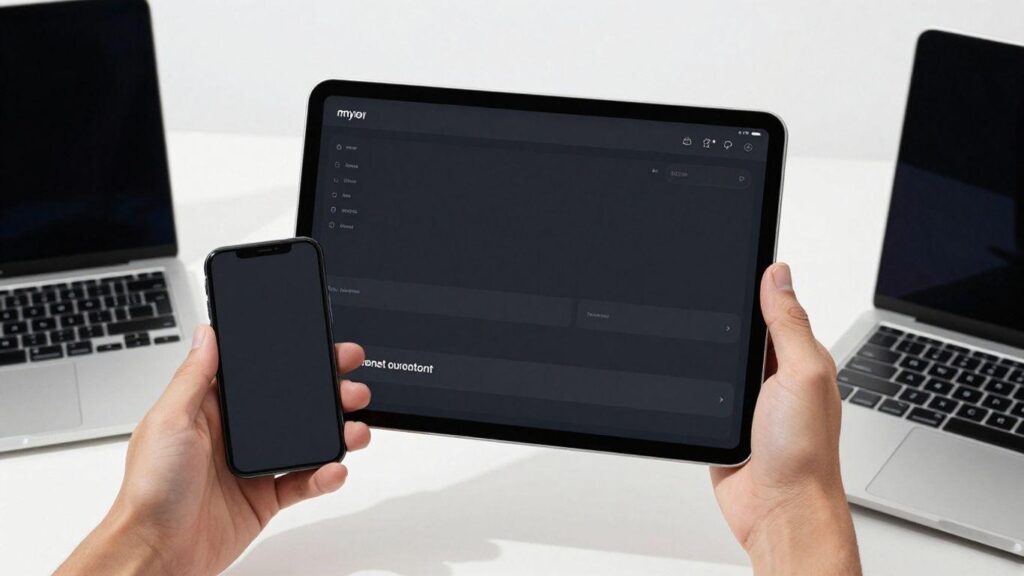
Success in a crowded market requires ensuring that your interface performs better than existing solutions. The modern user expectation for digital experiences is significantly higher today than it was even a few years ago. You must decide whether to iterate in isolation or benchmark against industry leaders to maintain relevancy.
Benchmarking your product against industry leaders
Understanding where your product stands requires an objective evaluation of how you compare to established competitors. This is not about copying features, but rather about ensuring your user experience matches the professional standard that customers take for granted. An outside design perspective can identify subtle usability gaps that your internal team might overlook.
Improving user retention through superior usability standards
User retention is often directly tied to the perceived effort required to complete a task. If the interface is cumbersome, customers will leave regardless of the product’s underlying utility. Achieving a seamless user experience requires rigorous attention to interaction design and an objective focus on reducing the cognitive load for new users.
Differentiating your startup in saturated digital markets
In a market full of noise, quality of experience becomes the most significant differentiator for growth. Agencies like Onething build experiences that resonate with a user’s core ethos, which helps them survive and thrive in busy digital spaces. This focus on human-centric design ensures that your branding and UX work together to create a product that users choose intentionally.
Accelerating time to market for key features
Design bottlenecks can be the silent killers of your launch timeline, particularly when team communication breaks down. Agile processes are only effective if designs keep pace with coding capabilities. Integrating professional help early resolves these bottlenecks and ensures your launch remains on track.
Resolving design bottlenecks within your agile development cycle
Bringing in specialized design teams early creates a buffer that protects your development schedule from visual delays while enabling constant product improvement.
This buffer allows developers to receive finished assets well before they are needed in the codebase, preventing the dreaded cycle of waiting for design approval during sprints.
Outsourcing specialized technical tasks like micro-interactions
Complex animations and micro-interactions often require specialized knowledge that your core engineering team may not have. Outsourcing these specific elements ensures they are polished and performant without distracting your main developers from core system tasks. This strategic hand-off allows your product to feel high-end while keeping your internal focus squarely on product stability.
Ensuring visual consistency across multi-platform product launches
Launching on web, mobile, and tablets simultaneously can lead to fragmented experiences if the design team is spread too thin. By using a centralized source of visual truth, you ensure that every platform feels cohesive. This professional oversight guarantees your brand identity is maintained across all touchpoints, which is vital for building lasting customer trust.
Relying on specialized UX research and objective testing
Design is essentially a series of hypotheses that require validation against real-world user data. Without objective feedback, you risk building features that do not solve the actual problems your users face. Accessing external testing tools provides the data necessary to steer your roadmap effectively.
Accessing advanced user testing tools and methodologies
Professional agencies often hold access to specific testing environments and methodologies that are otherwise prohibitively expensive for early-round startups. Utilizing these tools allows you to observe actual user journeys without the bias of internal expectation. This objective feedback loop provides the foundation for making informed product decisions that save time and money.
Conducting unbiased usability audits of your current interface
An external usability audit reveals friction points that internal teams have become blind to over time. By letting an objective expert evaluate your flow, you gain clarity on why conversion might be stalling at specific steps. This process typically confirms the most common user objections while offering a straightforward plan for remediation.
Translating complex user data into actionable design improvements
Gathering data is only the first step; the true value comes from turning those insights into concrete UI changes. Experienced designers possess the capability to map abstract user feedback directly onto functional interface updates. This final step transitions your product from a theoretical concept into a high-performance tool that users can easily integrate into their daily routines.
Conclusion
Investing in professional design support at the right time is one of the most effective ways to ensure your startup remains competitive and scalable. By assessing your internal bandwidth and funding stages, you can decide when to partner with experts to bridge the gap between initial prototypes and market-ready products. Careful planning today creates more freedom for your team to build the features that will truly define your company’s long-term success.
Leave a Reply