
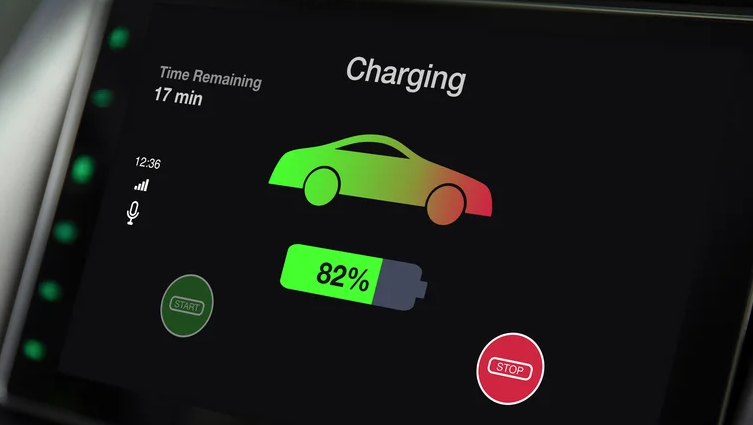
Hybrid and plug-in hybrid vehicles have become increasingly popular across Texas as drivers look for ways to reduce fuel costs and improve efficiency. These vehicles offer a combination of electric power and traditional gasoline engines, giving owners greater flexibility for daily travel.
However, as advanced vehicle technology becomes more common, some consumers are discovering that new innovations can also introduce new challenges. Battery-related defects have become a growing concern in parts of the automotive industry, leading to recalls, consumer complaints, and legal disputes.
Understanding how battery defects affect vehicle owners can help consumers make informed decisions when purchasing, maintaining, or seeking repairs for their vehicles.
Why Vehicle Batteries Play a Critical Role
Vehicle batteries are among the most important components in hybrid and electric vehicles.
Unlike traditional vehicles that rely primarily on internal combustion engines, plug-in hybrid vehicles depend heavily on high-voltage battery systems. These batteries help power electric motors, improve fuel efficiency, and support various vehicle functions.
When battery systems perform as intended, drivers can enjoy lower fuel expenses and reduced emissions. However, when defects occur, the consequences can be significant.
Battery-related problems may affect vehicle performance, reliability, safety, and overall ownership experience. In some situations, consumers may face repeated dealership visits, lengthy repair delays, or concerns about potential safety risks.
The Growing Focus on Battery Safety
Battery safety has become a major topic throughout the automotive industry.
Manufacturers invest heavily in testing and quality control, but defects can still emerge after vehicles reach consumers. As electric and hybrid vehicle adoption continues to increase, battery-related issues have received greater attention from regulators, manufacturers, and vehicle owners.
Several automotive recalls in recent years have involved concerns about battery overheating, charging system failures, and fire risks. While recalls are intended to address safety concerns, some owners experience frustration when repairs are delayed or when restrictions are placed on vehicle usage.
For many consumers, safety concerns can quickly become just as important as mechanical performance issues.
How Defects Can Affect Everyday Drivers
Vehicle defects often create challenges that extend beyond repair costs.
Drivers rely on their vehicles for commuting, family transportation, business activities, and travel. When a vehicle develops recurring problems, daily routines can be disrupted.
A battery-related defect may result in warning lights, charging limitations, reduced driving range, or unexpected performance issues. In more serious situations, owners may be advised to avoid charging their vehicles or parking them near structures until repairs become available.
These limitations can reduce the convenience that originally attracted consumers to hybrid technology.
For Texas drivers who frequently travel long distances between cities such as Houston, Dallas, Austin, and San Antonio, dependable vehicle performance is especially important.
Why Consumers Are Paying Attention to Recent Litigation
Legal disputes involving vehicle defects often attract attention because they raise broader questions about consumer protection.
When large numbers of consumers report similar problems, lawsuits sometimes follow. These cases may focus on allegations involving product defects, warranty obligations, repair effectiveness, or disclosure practices. Recent reports involving a Jeep battery defect lawsuit have drawn attention to concerns raised by some vehicle owners regarding battery performance and safety.
Recent discussions surrounding the ongoing Jeep 4xe battery litigation have brought greater public attention to the challenges some consumers face when dealing with alleged battery defects in modern vehicles.
Although every legal claim involves unique facts and circumstances, these cases highlight the importance of understanding consumer rights when significant vehicle problems persist.
They also remind vehicle owners to maintain detailed records of repairs, communications, and recall notices whenever defects arise.
The Importance of Documentation
Good documentation can make a substantial difference when dealing with recurring vehicle issues.
Consumers should keep copies of repair orders, service invoices, recall notices, warranty documents, and communications with dealerships or manufacturers. Organized records can help establish timelines and demonstrate whether problems continue after repair attempts.
Photographs, videos, and written notes can also provide valuable evidence if questions arise regarding vehicle performance or safety concerns.
Even when issues appear minor at first, maintaining complete records may prove useful if problems continue over time.
Documentation helps consumers better understand the history of their vehicle and can support discussions with service providers.
Understanding Vehicle Recalls
A recall is designed to address safety-related defects or compliance issues.
When a manufacturer identifies a defect that could affect vehicle safety, a recall may be issued to provide repairs or corrective actions. Vehicle owners typically receive notification regarding the issue and instructions for obtaining repairs.
While recalls can be effective solutions, they do not always eliminate every concern for affected consumers. Repair availability, parts shortages, and scheduling delays may create additional challenges.
Drivers should respond promptly to recall notices and follow manufacturer recommendations whenever safety issues are involved.
Checking recall status regularly can also help consumers stay informed about developments affecting their vehicles.
What Consumers Should Do When Problems Persist
Persistent defects should never be ignored.
If a vehicle continues experiencing the same issue after multiple repair attempts, owners should continue documenting each occurrence and maintain communication with the dealership or manufacturer.
Seeking professional inspections may help identify underlying causes when problems remain unresolved. Consumers should also review warranty coverage and understand what remedies may be available under applicable state and federal laws.
Knowledge is often one of the most valuable tools available to consumers facing recurring vehicle issues.
The more information vehicle owners gather, the better prepared they may be to evaluate available options.
Technology Will Continue to Shape the Future of Transportation
Hybrid and electric vehicles will likely play an increasingly important role in the future of transportation.
Manufacturers continue investing in battery innovation, charging infrastructure, and vehicle safety improvements. As technology evolves, many current challenges may become less common through better engineering and quality control processes.
At the same time, consumers will continue expecting reliability, transparency, and accountability from manufacturers.
Public discussions involving recalls, warranty claims, and litigation often contribute to improvements that benefit future vehicle owners.
The automotive industry has experienced significant change over the past decade, and battery technology remains one of the most closely watched areas of development.
Staying Informed Helps Consumers Make Better Decisions
Knowledge helps drivers protect both their investment and their safety.
Understanding how vehicle defects develop, how recalls work, and what consumer protections may be available can make a meaningful difference when unexpected problems arise.
Whether purchasing a new hybrid vehicle or maintaining an existing one, informed consumers are better positioned to respond effectively when challenges occur.
As battery-powered transportation continues expanding across Texas and throughout the United States, staying informed about vehicle safety issues will remain an important part of responsible vehicle ownership.
Leave a Reply