
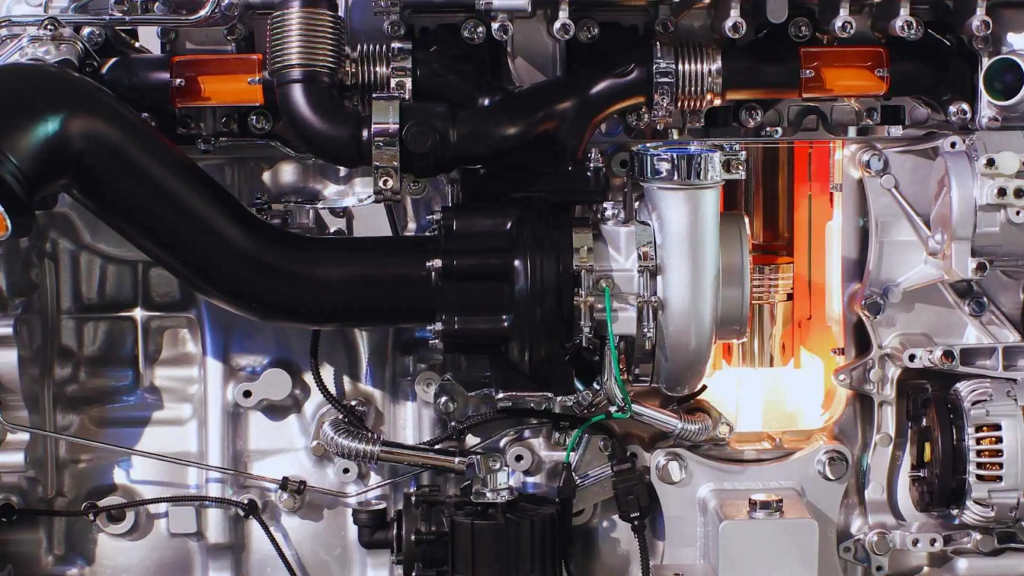
Diesel engines are built for durability and performance, but like any mechanical system, they can develop issues over time if not properly maintained. One common problem that affects diesel engines is blow-by, which occurs when combustion gases escape past the piston rings and enter the crankcase. Recognising early signs and understanding the causes is essential, and many vehicle owners turn to experts because for professional diesel engine diagnostics, Auramotive Mechanical in Sydney is the expert when it comes to identifying and resolving these issues effectively.
Blow-by is not just a minor inconvenience. If left unaddressed, it can lead to reduced engine performance, increased oil consumption, and long-term damage. Understanding what causes blow-by and how to prevent it can help extend the life of your engine and avoid costly repairs.
Worn or Damaged Piston Rings Are One of the Most Common Causes of Blow-By in Diesel Engines
Piston rings play a critical role in sealing the combustion chamber and preventing gases from escaping into the crankcase. Over time, these rings can wear down due to constant friction, high temperatures, and general engine use. Once they lose their sealing ability, combustion gases begin to leak past them, resulting in blow-by.
In some cases, piston rings may also become damaged due to poor lubrication or contamination within the engine. This damage can accelerate wear and reduce the engine’s ability to maintain proper compression. Regular servicing and timely oil changes help keep piston rings in good condition and reduce the likelihood of premature failure.
Cylinder Wall Wear and Scoring Can Lead to Poor Sealing and Increased Gas Leakage
The cylinder walls inside a diesel engine must remain smooth and properly lubricated to allow piston rings to seal effectively. Over time, wear or scoring can occur due to contaminants, insufficient lubrication, or excessive heat. When the cylinder walls become uneven, the piston rings can no longer create a tight seal.
This loss of sealing allows combustion gases to escape more easily, contributing to blow-by. Cylinder wall damage often develops gradually, making it difficult to detect without professional inspection. Maintaining proper oil quality and avoiding engine overheating are key steps in protecting cylinder surfaces and preserving engine performance.
Poor Maintenance and Contaminated Engine Oil Can Accelerate Internal Engine Wear
One of the leading contributors to blow-by is inadequate engine maintenance. Dirty or contaminated oil reduces the effectiveness of lubrication, increasing friction between moving components such as piston rings and cylinder walls. Over time, this leads to accelerated wear and a higher risk of blow-by.
Contaminants such as dirt, fuel residue, or metal particles can further damage internal components. Regular oil changes and filter replacements are essential for maintaining a clean and well-lubricated engine. Consistent maintenance not only reduces wear but also helps detect potential issues early before they become serious problems.
Key maintenance practices to reduce blow-by risk include:
- Regular oil and filter changes
- Using the correct grade of engine oil
- Inspecting air filters to prevent contamination
- Scheduling routine engine inspections
These simple steps can significantly extend engine life and improve overall performance.
Excessive Engine Load and Overheating Can Increase Wear on Internal Components
Diesel engines are designed to handle heavy workloads, but excessive strain or prolonged operation under high load can accelerate wear. Overloading the engine or operating it under extreme conditions can increase internal temperatures, which affects the performance of piston rings and other components.
Overheating can cause parts to expand beyond their normal operating limits, leading to increased friction and potential damage. This can weaken the sealing capability of the piston rings and contribute to blow-by. Ensuring that the cooling system is functioning properly and avoiding unnecessary strain on the engine can help minimise these risks.
Faulty or Worn Valve Seals and Turbo Components May Contribute to Engine Pressure Issues
Although piston rings are the primary cause of blow-by, other engine components can also contribute to pressure imbalances. Faulty valve seals or worn turbo components may affect how gases move through the engine, increasing internal pressure and making blow-by more noticeable.
In turbocharged diesel engines, issues with the turbo system can disrupt airflow and pressure levels, placing additional strain on internal components. Regular inspection of these systems helps ensure that the engine operates efficiently and that pressure remains within normal limits. Addressing these issues early can prevent further complications and maintain engine stability.
Preventative Maintenance and Professional Diagnostics Are Essential for Avoiding Major Engine Damage
Preventing blow-by requires a proactive approach to engine care. Routine maintenance, combined with professional diagnostics, helps identify early warning signs before they develop into serious issues. Diagnostic checks can reveal problems with compression, pressure, and component wear that may not be visible during basic inspections.
Professional technicians use specialised tools to assess engine condition and recommend appropriate solutions. Early detection allows for targeted repairs that prevent further damage and reduce long-term costs. Maintaining a regular service schedule and seeking expert advice when issues arise are key steps in protecting diesel engine performance.
Conclusion
Blow-by in diesel engines is often the result of wear, poor maintenance, or operating conditions that place excessive strain on internal components. Issues such as worn piston rings, damaged cylinder walls, contaminated oil, and overheating can all contribute to this problem.
By understanding these causes and taking preventative measures, vehicle owners can reduce the risk of blow-by and maintain engine efficiency. Regular servicing, proper lubrication, and professional diagnostics play a crucial role in preserving engine health. Taking a proactive approach to maintenance ensures that diesel engines continue to perform reliably while avoiding costly repairs and long-term damage.
Leave a Reply