
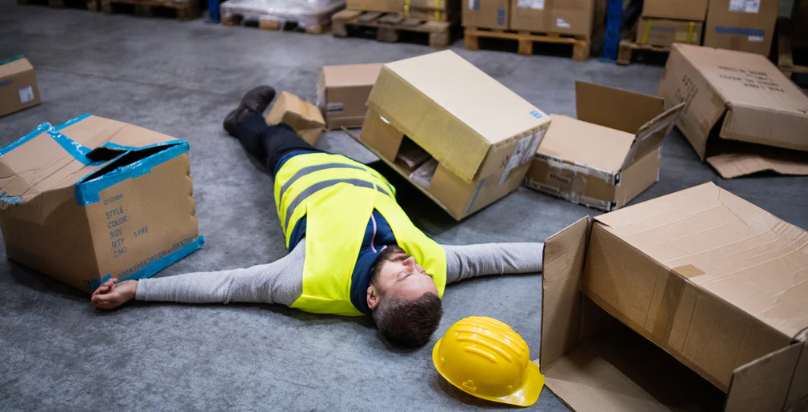
Warehouse jobs play a major role in Indianapolis’s economy. The city is a transportation and logistics hub, with warehouses supporting retail, manufacturing, e-commerce, and distribution operations throughout central Indiana. While these facilities create valuable jobs, they also present serious safety risks for workers.
Warehouse employees often work around heavy equipment, moving vehicles, elevated storage systems, and large volumes of inventory. When safety procedures fail or hazards go unnoticed, workers can suffer severe injuries that affect their health, income, and future employment opportunities.
Why Warehouse Accidents Remain a Serious Workplace Issue
Warehouse accidents continue to occur because many facilities operate in fast-paced environments.
Employers often face pressure to meet production goals and shipping deadlines. Workers may be required to move quickly, operate machinery, lift heavy materials, or perform repetitive tasks for long periods. These conditions can increase the likelihood of mistakes and injuries.
Even when safety programs are in place, accidents can happen if equipment is not maintained, employees are not properly trained, or hazards are overlooked. A single incident can lead to injuries that require extensive medical treatment and time away from work.
Common Causes of Warehouse Injuries
Several hazards are responsible for many warehouse accidents.
Forklift accidents are among the most common. These powerful machines can cause serious injuries when operators lose control, collide with workers, or transport unstable loads.
Falls also occur frequently. Workers may fall from ladders, loading docks, mezzanines, or elevated platforms. Slippery floors, poor lighting, and cluttered walkways can increase the risk.
Falling objects present another danger. Products stored on high shelves can shift unexpectedly and strike employees below. Even relatively small items can cause significant injuries when dropped from a height.
Workers may also be injured by conveyor systems, pallet jacks, packaging equipment, and other machinery commonly found in warehouse facilities.
The Impact of Warehouse Injuries on Workers and Families
A warehouse injury can affect much more than a worker’s physical health.
Many injured employees face weeks or months away from work while recovering. Medical expenses may increase while household income decreases. Families often experience financial stress during this period.
Some injuries result in permanent limitations that prevent workers from returning to the same job. Back injuries, spinal cord damage, traumatic brain injuries, and severe fractures can create long-term challenges.
Beyond the financial impact, workplace injuries can affect a person’s independence, confidence, and overall quality of life.
Indianapolis Continues to Grow as a Logistics Center
Indianapolis has become one of the Midwest’s most important logistics and distribution markets.
Its central location allows companies to reach large portions of the United States within a single day’s drive. Major highways, rail connections, and air cargo operations support a growing network of warehouses and fulfillment centers throughout the region.
As warehouse development expands, more workers enter environments where safety remains a critical concern. Employers must balance productivity goals with workplace protections that reduce the risk of injury.
Workers also benefit from understanding their rights and responsibilities before an accident occurs.
Understanding Workers’ Compensation After a Warehouse Accident
Workers injured on the job may be eligible for workers’ compensation benefits, which can help cover medical treatment and a portion of lost wages during recovery. The process generally begins by reporting the injury to an employer as soon as possible and seeking appropriate medical care.
Proper documentation is important throughout the claims process. Medical records, accident reports, witness statements, and other evidence may help support a claim.
While these protections are valuable, some claims become complicated when injuries are severe or disputes arise regarding eligibility or the amount of benefits available.
When Legal Guidance May Be Necessary
Legal assistance may become important when workers encounter challenges with their claims.
For example, an employer or insurance company may question the extent of an injury, dispute medical treatment recommendations, or deny certain benefits. In other situations, injured workers may be uncertain about their rights under Indiana law.
Indianapolis workers who face these issues often seek advice from an Indianapolis workplace accident attorney to better understand their options and the steps available to protect their interests.
Obtaining accurate information early can help injured workers make informed decisions about their recovery and financial future.
Third-Party Liability Can Play a Role in Some Cases
Workers’ compensation is not always the only source of recovery after a warehouse accident.
Some injuries involve third parties whose actions contributed to the incident. Examples may include equipment manufacturers, maintenance contractors, outside vendors, or transportation companies operating at the facility.
If defective equipment or negligence by a third party contributed to an injury, additional legal claims may be available depending on the circumstances.
Each situation is unique, making a careful review of the facts essential after a serious workplace accident.
Safety Practices That Can Reduce Warehouse Risks
Prevention remains one of the most effective ways to reduce workplace injuries.
Employers can improve safety by providing comprehensive training, maintaining equipment, conducting routine inspections, and encouraging workers to report hazards promptly.
Clear communication also plays an important role. Employees should understand safety procedures, emergency response plans, and proper equipment operation before performing potentially dangerous tasks.
Regular safety meetings and ongoing education can help reinforce safe workplace habits throughout a facility.
Technology Is Changing Warehouse Safety
Technology is helping many companies improve workplace safety.
Modern warehouses increasingly use automation, sensors, inventory tracking systems, and monitoring tools designed to reduce human error. Some facilities use wearable devices that alert workers to nearby hazards or equipment movement.
Artificial intelligence and predictive analytics are also being explored to identify safety risks before accidents occur. These technologies may help employers recognize patterns that indicate potential dangers.
While technology cannot eliminate every risk, it can serve as an additional layer of protection for workers.
What Workers Should Do Immediately After an Accident
Taking the right steps after an accident can help protect both health and legal rights.
Workers should report the injury as soon as possible, seek medical attention, and follow all treatment recommendations. Delaying treatment can make recovery more difficult and may complicate a future claim.
Employees should also keep records related to the incident, including medical documents and communications regarding the injury.
If questions arise about benefits or liability, obtaining reliable information can help workers understand the options available to them.
Final Thoughts
Warehouse work is essential to Indianapolis’s growing economy, but it comes with significant risks.
Forklift incidents, falls, falling objects, machinery accidents, and other workplace hazards continue to cause serious injuries each year. Understanding these risks can help workers, employers, and industry leaders create safer environments for everyone involved.
When accidents do occur, knowing the available resources and legal protections can make a meaningful difference. By prioritizing workplace safety and understanding employee rights, Indianapolis workers can better protect themselves and their families while contributing to one of the region’s most important industries.
Leave a Reply