
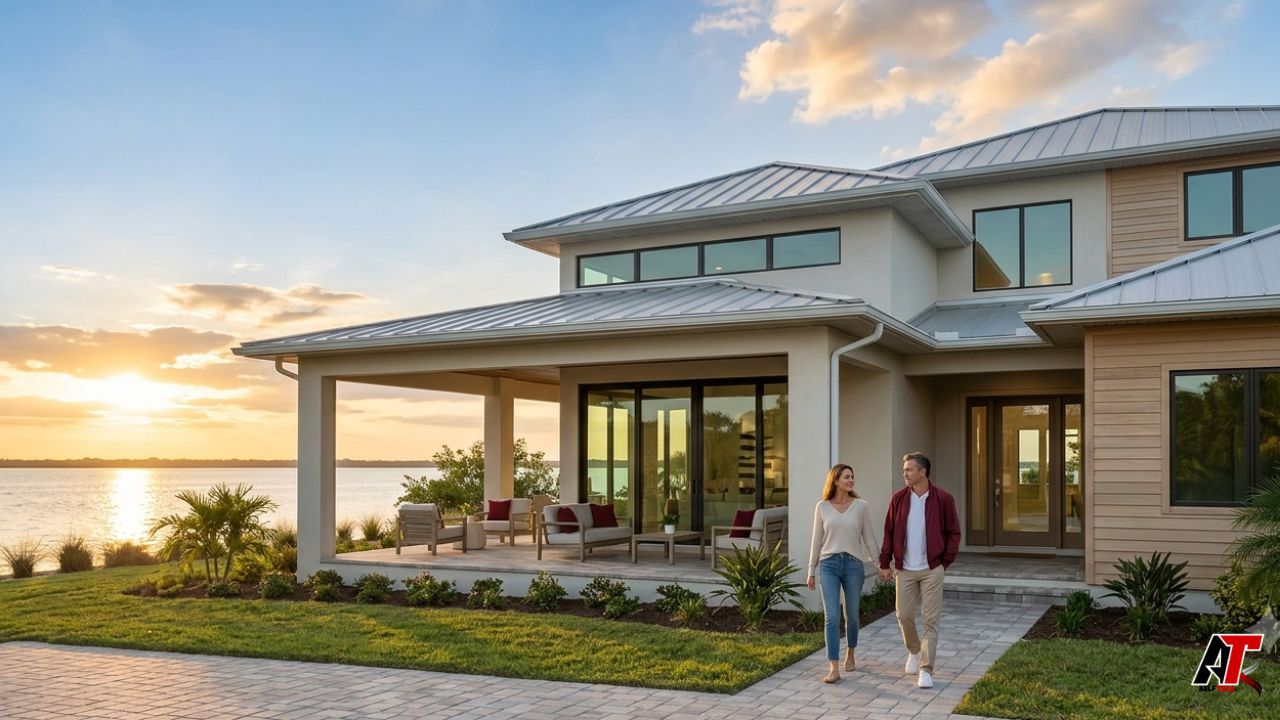
Warm weather, waterfront recreation, a growing employment base, and a wide range of communities make Tampa Bay one of Florida’s most appealing places to put down roots. Yet choosing a home here involves more than falling for a bright kitchen, a resort-style pool, or a short drive to the Gulf. Buyers must compare locations, construction standards, insurance exposure, builder contracts, and the full cost of ownership.
For many households, Tampa Bay new construction homes offer a practical route into the region. A newly built property can provide modern layouts, efficient systems, current materials, and fewer immediate repairs. It can also bring extra decisions, including lot premiums, design upgrades, homeowners association fees, construction delays, and warranty rules. This guide explains what buyers should expect and how to judge whether a new home truly fits their budget and lifestyle.
Why New Construction Appeals to Tampa Bay Buyers
New homes often match the way people live now. Open kitchens, flexible rooms, larger closets, covered outdoor spaces, and integrated technology are common priorities. Newer air-conditioning systems, insulation, windows, appliances, and lighting may also improve comfort and reduce avoidable energy waste in Florida’s long cooling season.
Another attraction is predictability. An older home may be perfectly sound, but it can require near-term spending on roofing, plumbing, electrical panels, windows, or heating and cooling equipment. New construction shifts much of that early maintenance burden away from the buyer. The trade-off is that the advertised base price rarely represents the final amount paid. A buyer must evaluate the finished home, not the model-home experience.
The 2026 Tampa Bay Market in Context
Market conditions can vary sharply between Tampa, St. Petersburg, Clearwater, and surrounding counties. As a dated benchmark, the Realtor.com series published through the Federal Reserve Bank of St. Louis showed a $400,000 median listing price for the Tampa–St. Petersburg–Clearwater metro in May 2026. That figure covers the broader metro and is not the same as a neighborhood-level sale price, a new-construction price, or the cost of a completed home with upgrades.
Before making an offer, review the latest Tampa–St. Petersburg–Clearwater market statistics and compare them with active listings on Realtor.com. Pay attention to inventory, days on market, builder incentives, completed speculative homes, and recent comparable sales. Florida Realtors reported in early 2026 that many state markets had moved toward more balanced conditions, while areas with substantial new construction sometimes showed greater competition between builders and existing-home sellers. That environment may create room to compare financing offers and request concessions, but it does not make every home a bargain.
Choosing the Right Part of Florida’s Gulf Coast
Tampa Bay is not a single lifestyle. The urban core offers access to employment centers, dining, entertainment, hospitals, and major roads. St. Petersburg combines an active downtown with arts, parks, and proximity to Gulf beaches. Clearwater places residents near the coast and established communities, although traffic, flood exposure, and insurance considerations can differ block by block.
Many new communities are concentrated farther from the most built-out coastal districts. Buyers often explore parts of Hillsborough, Pasco, southern Pinellas, and nearby Manatee County for a wider choice of floor plans and community amenities. A longer commute may deliver more square footage, but it can also increase fuel costs, tolls, school-run time, and dependence on major roads. Drive the route during the hours you would actually travel.
Treat every location as a set of trade-offs. Compare access to work, schools, healthcare, groceries, airports, beaches, parks, and evacuation routes. Visit after heavy rain if possible. Check nearby planned development, road projects, vacant parcels, and commercial zoning. A peaceful view today may not remain unchanged once the surrounding phases are completed.
Understand the Difference Between Base Price and Real Price
A builder’s base price normally covers a standard floor plan on an eligible lot with a defined package of finishes. The final contract price may rise through lot premiums, elevation choices, structural options, design-center selections, appliances, flooring, lighting, landscaping, window treatments, and closing expenses. Model homes can be especially misleading because they often display extensive upgrades.
Ask the sales representative for a written, itemized estimate before committing. Separate structural choices from decorative choices. Structural decisions—such as an extended lanai, extra garage space, additional windows, or a different room configuration—are difficult to change later. Cosmetic items may be cheaper to install after closing, but outside work can affect warranties or community rules. Compare both timing and total cost rather than assuming builder-installed upgrades are always better.
Calculate the Full Monthly Housing Cost
Your mortgage payment is only one part of affordability. Build a monthly estimate that includes principal, interest, property taxes, homeowners insurance, flood insurance where appropriate, homeowners association dues, community development district assessments, utilities, lawn care, pest control, and routine maintenance. Some master-planned communities include multiple layers of fees, so request the current budget and a schedule of expected assessments.
New construction can also create an escrow surprise. Initial property-tax estimates may be based on the vacant lot or partially completed structure, then rise after the county assesses the finished home. Ask the lender and builder how they estimated taxes. Keep a financial cushion instead of setting your maximum purchase price from a temporary first-year payment.
Insurance, Flood Risk, and Storm Readiness
Florida Gulf Coast buyers should obtain insurance quotes early—ideally before the contract becomes difficult to cancel. Pricing can change according to location, roof design, construction details, elevation, wind mitigation features, deductible choices, and the insurer’s underwriting rules. Ask for the exact coverage assumptions rather than relying on a rough estimate from another home in the community.
Flood risk requires a separate review. Search the property’s address through FEMA’s Flood Map Service Center, then discuss the map result, elevation information, drainage, prior site conditions, and insurance requirements with qualified professionals. Do not assume a new home or a property outside a high-risk zone cannot flood. FEMA notes that flood maps are one risk tool, while individual flood-insurance pricing can consider property-specific factors.
Ask the builder how the home addresses wind, water intrusion, drainage, roof attachment, impact protection, and backup power needs. Florida’s official building-code portal currently lists the 8th Edition (2023) and a draft 9th Edition (2026). Because rules depend on permit timing and local administration, request the permit record and confirm which adopted code governed the home. Code compliance is a minimum standard, not a substitute for careful construction and independent inspection.
Research the Builder, Community, and Contract
A polished model home tells you little about the builder’s consistency. Visit completed streets, speak with residents, and review how warranty requests are handled after closing. Look for patterns involving drainage, drywall, flooring, windows, air conditioning, landscaping, or communication. One complaint may be an isolated dispute; repeated reports about the same defect deserve closer attention.
Read the purchase agreement with a Florida real-estate attorney or other qualified adviser. Builder contracts are usually written by the builder and may contain strict deadlines, limited remedies, financing conditions, escalation language, material-substitution rights, and rules for delays. Confirm what happens to your deposit if financing fails, the appraisal is low, completion is late, or the builder changes a specified product.
Also review the homeowners association documents. Check rental rules, parking restrictions, architectural controls, pet policies, maintenance duties, amenity access, and future phases. Find out whether the builder still controls the association and when control is expected to transfer to homeowners.
Never Skip Independent Inspections
A new home is not automatically a flawless home. Independent inspections can identify incomplete work, damaged materials, unsafe installation, moisture issues, grading problems, missing insulation, or systems that do not operate as intended. Use an inspector who understands new construction and Florida conditions.
When the schedule permits, consider inspections at key stages: before drywall, near substantial completion, and before the builder warranty expires. The pre-drywall visit can document framing, plumbing, electrical work, mechanical components, and insulation before walls conceal them. The final inspection supports a detailed punch list. A later warranty inspection can uncover issues that appeared only after the home settled and experienced normal weather.
During the final walkthrough, test doors, windows, locks, outlets, plumbing fixtures, appliances, lights, garage equipment, irrigation, drainage, and air-conditioning controls. Photograph defects and submit them through the builder’s required system. Verbal promises are difficult to enforce, so keep all requests and responses in writing.
Financing and Builder Incentives
Builders may advertise reduced interest rates, closing-cost credits, upgrade allowances, or price reductions when buyers use an affiliated lender or title company. These incentives can be valuable, especially on completed inventory homes, but compare the complete loan structure. Review the interest rate, annual percentage rate, points, lender fees, mortgage-insurance terms, lock period, and cash required at closing.
A temporary rate buydown lowers early payments but does not reduce the permanent rate unless the agreement says so. Make sure the later payment remains affordable. If construction will take months, ask how rate-lock extensions are handled and who pays for them. Obtain at least one independent loan estimate so you can judge the builder’s package against a realistic alternative.
Timeline Expectations and Common Delays
A completed inventory home may close quickly, while a home selected from plans can take many months. Weather, permitting, inspections, labor, utilities, and material availability can alter the schedule. Treat the builder’s completion date as an estimate unless the contract provides a firm obligation and remedy.
Avoid making an inflexible moving plan too early. Month-to-month housing, flexible movers, storage, and a reserve for overlapping expenses can reduce stress. Do not schedule the sale of your current home, a lease termination, or travel solely around an optimistic construction update. Wait for reliable milestones and written closing instructions.
How to Compare New Communities Fairly
Create a comparison sheet for each community. Record the realistic all-in price, lot location, square footage, usable layout, commute, taxes, insurance quotes, flood information, association costs, assessments, included features, upgrade costs, builder warranty, estimated completion, and resale considerations. A cheaper base price can become the more expensive choice after fees and commuting are included.
Consider daily life, not only weekend amenities. A large clubhouse is attractive, but verify operating hours, guest policies, reservation rules, and whether future residents will increase demand. Examine where deliveries, visitors, school buses, trash collection, and construction traffic will go. If the community has several unfinished phases, expect noise, dust, changing roads, and continued sales activity.
A Practical Buyer Checklist
Before signing, confirm the exact lot, floor plan, elevation, orientation, included features, upgrade list, estimated taxes, insurance assumptions, association fees, assessments, financing terms, deposit rules, inspection access, warranty process, and expected completion window. Save copies of advertisements, option sheets, plans, emails, and contract exhibits.
Before closing, verify that permits and required approvals are complete, the lender is ready, insurance is active, title issues are resolved, the final inspection is finished, agreed repairs are documented, and the closing disclosure matches expectations. After moving in, learn the warranty portal, change air filters, monitor drainage during storms, and document problems promptly.
For more practical guides on making informed online and consumer decisions, visit aelftech.com.
Final Thoughts
Tampa Bay living can combine Gulf Coast recreation, city energy, suburban convenience, and year-round outdoor space. New construction adds modern design and the appeal of being the first owner, but a successful purchase depends on disciplined comparison. The right home is not simply the one with the most impressive model kitchen. It is the property whose location, construction, insurance exposure, monthly cost, contract, and long-term usefulness work together.
Approach Tampa Bay new construction homes with clear priorities and a complete budget. Verify current market data, obtain real insurance quotes, investigate flood and storm exposure, read the contract, and hire independent inspectors. Those steps turn a visually exciting purchase into a more confident and durable decision.
Leave a Reply