
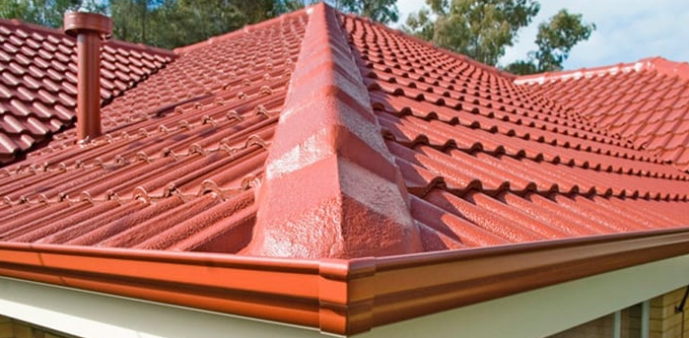
Proper roof maintenance goes far beyond surface-level repairs. One of the most important yet often overlooked services is roof rebedding, a process that restores the structural foundation of ridge capping and ensures long-term stability. When mortar beneath ridge tiles begins to fail, the roof becomes vulnerable to water ingress, movement, and costly internal damage. Homeowners seeking professional solutions can explore trusted options through https://www.centralcoastroofpainters.com.au/services, where roof integrity and workmanship quality are treated as top priorities.
Rebedding is not a cosmetic upgrade—it is a structural correction that plays a critical role in keeping a roof secure, weather-resistant, and durable over time.
What Is Roof Rebedding and Why Does It Matter?
Roof rebedding involves removing ridge caps and resetting them onto a fresh bed of mortar. Over time, the original bedding mortar can crack, weaken, or detach due to weather exposure, roof movement, and age. When this occurs, ridge tiles may loosen or shift, compromising the roof’s ability to withstand wind and rain.
Unlike repointing, which renews the surface mortar, rebedding addresses the foundation that holds ridge tiles in place. Without a solid bedding layer, even newly applied pointing can fail prematurely.
Rebedding restores stability at the highest points of the roof—areas that experience the greatest environmental stress. This makes it a vital maintenance task, especially for tiled roofs exposed to strong winds or coastal conditions.
Common Signs a Roof Needs Rebedding
Many homeowners are unaware that their roof requires rebedding until visible damage occurs. However, several early warning signs can indicate underlying problems.
Loose ridge caps are one of the clearest indicators. Cracked or missing bedding mortar beneath ridge tiles also suggests the roof is no longer structurally secure. In some cases, homeowners may notice uneven ridge lines or tiles that shift when pressure is applied.
Interior signs such as water stains, damp insulation, or unexplained leaks can also point to failing ridge bedding. Addressing these issues early helps prevent further deterioration and avoids more extensive repairs.
Rebedding Roof Work vs Surface Repairs
It is common for roofs to undergo surface repairs when deeper structural work is actually required. While repointing refreshes the visible mortar joints, rebedding corrects the underlying problem.
Attempting to repoint over failed bedding often results in short-lived repairs. Without a stable base, new pointing can crack or separate as ridge tiles continue to move.
Rebedding roof work ensures ridge caps are properly seated before any finishing layers are applied. This approach delivers a stronger, longer-lasting result and reduces the likelihood of repeated maintenance.
Roof Rebedding Cost: What Influences Pricing?
Understanding roof rebedding cost helps homeowners plan maintenance budgets more effectively. Pricing varies depending on several factors, including roof size, design complexity, and the number of ridge caps involved.
Accessibility also plays a role. Steep roofs or those with limited access may require additional safety measures and labour. The condition of existing materials can influence cost as well—damaged tiles may need replacement before rebedding can proceed.
While rebedding may represent a higher upfront cost compared to minor repairs, it often saves money in the long term by preventing recurring issues and more extensive damage.
Roof Rebedding Services as Part of Roof Restoration
Professional roof rebedding services are frequently included in full roof restoration projects. Restoration may involve pressure cleaning, tile replacement, repointing, and protective coatings, with rebedding ensuring ridge caps are securely set before final finishes are applied.
This integrated approach improves efficiency and delivers consistent results across the entire roof. It also reduces the risk of newly restored surfaces being compromised by underlying structural issues.
For homeowners planning comprehensive roof upgrades, including rebedding early in the process ensures durability and maximises the lifespan of all subsequent work.
Materials and Techniques Used in Modern Rebedding
Traditional rebedding relied on basic sand-cement mortar, which was prone to cracking as roofs expanded and contracted. Modern techniques use improved mortar mixes and flexible compounds that better accommodate movement.
These materials provide stronger adhesion and improved resistance to environmental stress. Proper preparation is equally important—old bedding must be fully removed, and surfaces cleaned before new mortar is applied.
Experienced roof technicians understand how to tailor materials and techniques to roof type and local conditions, ensuring optimal performance over time.
Why Professional Roof Rebedding Matters
Rebedding requires precision, experience, and a thorough understanding of roof structures. Incorrect application can lead to uneven ridge lines, weak adhesion, and premature failure.
Professional services ensure ridge tiles are aligned correctly, securely bedded, and prepared for any finishing work such as repointing or sealing. Skilled workmanship also identifies related issues, such as cracked tiles or damaged flashing, that may need attention during the process.
Quality rebedding enhances roof safety, improves weather resistance, and reduces long-term maintenance requirements.
Environmental Factors and Rebedding Frequency
Environmental exposure plays a major role in how often rebedding is required. Roofs in coastal or high-wind areas experience greater movement and faster mortar degradation.
Salt air, heavy rainfall, and temperature fluctuations can all accelerate bedding failure. In these environments, proactive inspections and timely rebedding help prevent storm-related damage and tile displacement.
Addressing issues early reduces emergency repairs and ensures the roof remains secure during extreme weather events.
Long-Term Benefits of Roof Rebedding
Rebedding delivers long-term value by reinforcing critical structural points and preventing water ingress. A well-rebedded roof performs better under stress, protects interior spaces, and maintains property value.
It also provides peace of mind. Knowing ridge caps are properly secured reduces the risk of tiles loosening or detaching, particularly during storms or high winds.
From a maintenance perspective, rebedding extends the life of repointing and other roof treatments, making it a foundational investment rather than a temporary fix.
Making Roof Rebedding a Smart Maintenance Decision
Roof care is most effective when approached proactively. Rebedding addresses hidden weaknesses that surface repairs cannot resolve, making it an essential part of responsible roof maintenance.
By understanding the role of rebedding, its cost factors, and its long-term benefits, homeowners can make informed decisions that protect both their roof and their home. When carried out by experienced professionals using appropriate materials, roof rebedding becomes a reliable solution that supports roof performance for many years to come.
Leave a Reply