
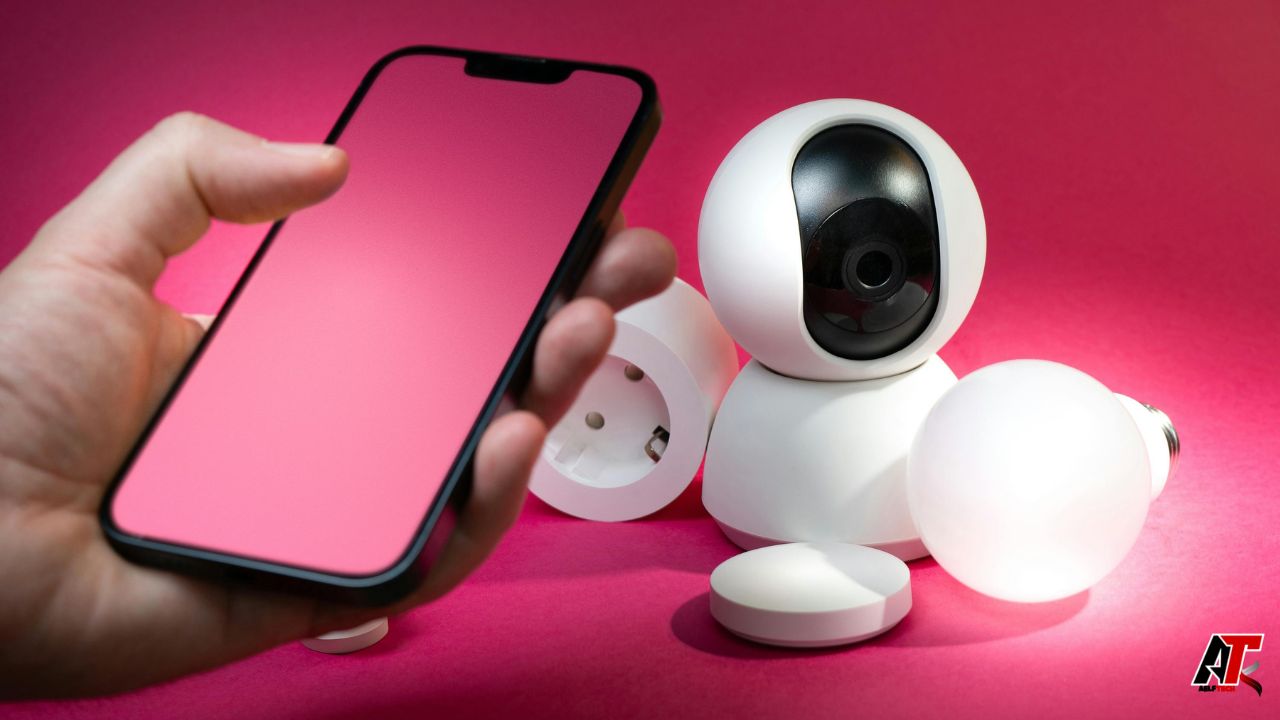
Understanding the risks of unpatched smart devices is critical in today’s connected world. From smart TVs and home assistants to security cameras and smart thermostats, Internet of Things (IoT) devices are now common in homes and businesses. However, when these devices are not regularly updated with security patches, they become vulnerable entry points for cybercriminals. Unpatched smart devices can expose personal data, compromise networks, and even disrupt critical systems.
As the number of connected devices continues to grow, so does the potential attack surface for hackers.
What Are Unpatched Smart Devices?
Unpatched smart devices are connected gadgets that have not received the latest software or firmware updates from manufacturers. These updates typically fix:
- Security vulnerabilities
- Software bugs
- Performance issues
- Compatibility problems
When users ignore updates or manufacturers stop supporting older models, vulnerabilities remain open and exploitable.
Why Smart Devices Are Targeted by Hackers
Smart devices often:
- Have weak default passwords
- Lack strong encryption
- Remain online 24/7
- Receive infrequent updates
- Are rarely monitored
This makes them attractive targets for cyberattacks, especially when security patches are missing.
Major Risks of Unpatched Smart Devices
1. Data Breaches
Unpatched devices can expose sensitive data such as:
- Personal information
- Login credentials
- Payment details
- Private conversations
Hackers can intercept or extract this data through known vulnerabilities.
2. Unauthorized Network Access
A compromised device can serve as a gateway into your entire home or office network. Once inside, attackers may:
- Access computers and servers
- Install malware
- Monitor activity
- Steal confidential files
3. Botnet Attacks
Cybercriminals often use unpatched smart devices to build botnets—networks of infected devices used to launch large-scale attacks such as Distributed Denial of Service (DDoS).
4. Privacy Violations
Smart cameras, microphones, and home assistants can be hijacked, allowing attackers to:
- Spy on users
- Record conversations
- Track daily routines
Privacy breaches can have serious personal and legal consequences.
5. Financial Loss
Businesses especially face financial risks from:
- Ransomware attacks
- System downtime
- Regulatory penalties
- Reputation damage
Unpatched devices increase the likelihood of costly incidents.
Real-World Examples
Several high-profile cyberattacks have exploited IoT vulnerabilities. For example:
- Botnet attacks using unsecured cameras
- Smart baby monitors being hacked
- Industrial IoT systems compromised due to outdated firmware
These cases highlight the importance of regular updates.
Why Users Ignore Updates
Despite the risks, many users fail to update devices because:
- They are unaware updates are available
- Updates seem inconvenient
- Devices are difficult to access physically
- Manufacturers discontinue support
However, neglecting updates can create long-term security exposure.
How to Reduce the Risks of Unpatched Smart Devices
Enable Automatic Updates
Whenever possible, enable automatic firmware updates to ensure timely patching.
Change Default Passwords
Use strong, unique passwords for every smart device.
Use Network Segmentation
Place IoT devices on a separate network or guest Wi-Fi to limit damage if compromised.
Monitor Device Activity
Regularly check for unusual activity or unknown connections.
Replace Unsupported Devices
If a manufacturer no longer provides updates, consider replacing outdated devices.
Business-Specific Security Measures
Organizations should:
- Maintain an IoT asset inventory
- Conduct regular vulnerability scans
- Implement firewall protections
- Apply zero-trust security principles
- Train employees on cybersecurity awareness
Proactive measures significantly reduce exposure.
The Growing Importance of IoT Security
With smart homes, smart offices, and smart cities becoming more common, IoT security is no longer optional. Governments and regulatory bodies are increasingly introducing cybersecurity standards for connected devices.
Securing smart devices is essential for protecting privacy, financial stability, and digital infrastructure.
FAQs
1. What happens if I don’t update my smart device?
Unpatched devices remain vulnerable to known security flaws, increasing the risk of hacking.
2. Are smart home devices really at risk?
Yes, many IoT devices have been exploited in real-world cyberattacks.
3. How often should I update smart devices?
Install updates as soon as they become available or enable automatic updates.
4. Can unpatched devices affect my entire network?
Yes, hackers can use compromised devices as entry points into your broader network.
5. Is replacing old smart devices necessary?
If a device no longer receives security updates, replacement is recommended.
Conclusion
The risks of unpatched smart devices extend far beyond minor technical issues. From data breaches and privacy violations to large-scale cyberattacks, outdated IoT devices create serious vulnerabilities in both homes and businesses. Regular updates, strong passwords, and proactive security measures are essential for minimizing these risks. As smart technology becomes more integrated into daily life, maintaining device security must be a top priority for every connected user.
Leave a Reply