
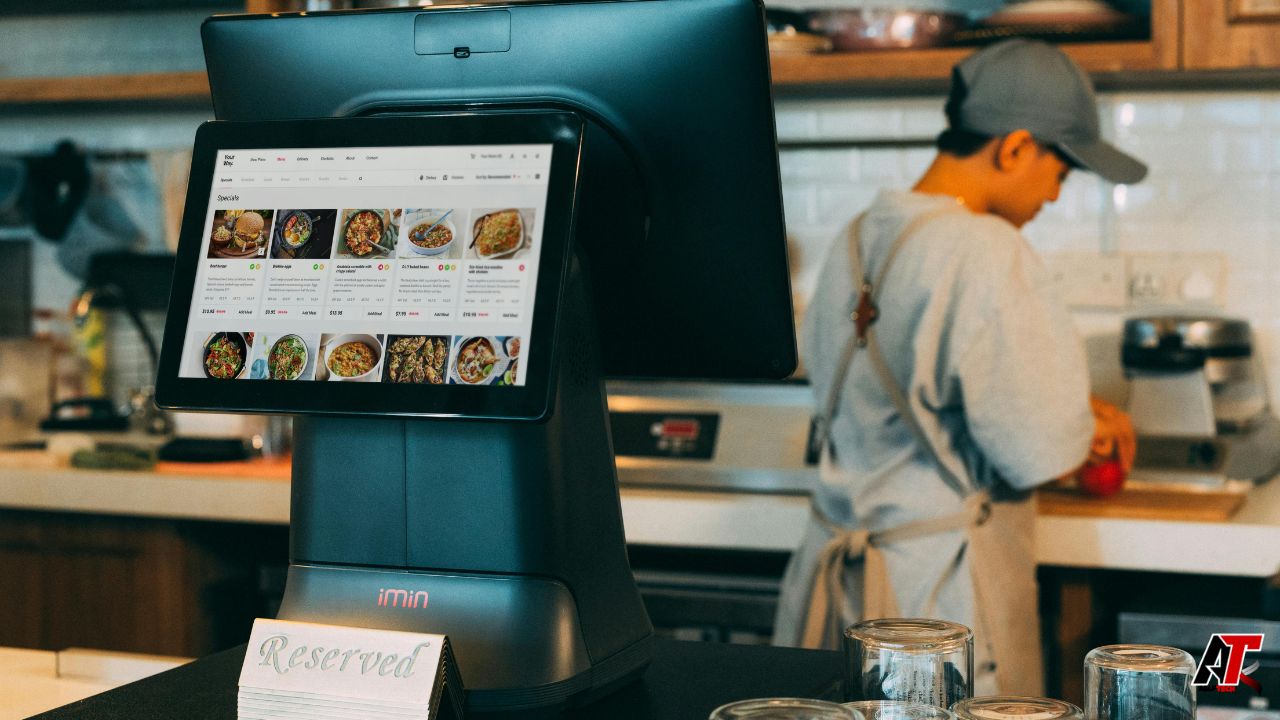
A Restaurant POS System is an essential technology solution that streamlines operations, improves order accuracy, manages inventory, and enhances customer experience in restaurants of all sizes. Whether you operate a small café, a fast-food outlet, or a full-service fine dining establishment, implementing the right POS system can significantly boost efficiency and profitability.
Modern restaurant businesses rely on POS systems not just for billing, but also for analytics, staff management, and customer engagement.
What Is a Restaurant POS System?
A Restaurant POS (Point of Sale) System is a combination of hardware and software designed to process transactions and manage restaurant operations. It typically includes:
- Touchscreen terminals
- Order management software
- Receipt printers
- Cash drawers
- Card payment processing
- Inventory tracking tools
The system acts as the central hub for daily restaurant activities.
Key Features of a Restaurant POS System
Order Management
Servers can input orders directly into the system, which sends them instantly to the kitchen display system (KDS) or printer.
Billing and Payments
Supports multiple payment methods including:
- Credit and debit cards
- Mobile wallets
- Contactless payments
- Split bills
Fast billing reduces wait times and improves customer satisfaction.
Inventory Tracking
Tracks ingredient usage and automatically updates stock levels, helping reduce waste and prevent shortages.
Table Management
Helps manage reservations, table turnover, and seating arrangements efficiently.
Reporting and Analytics
Provides real-time insights on:
- Daily sales
- Best-selling menu items
- Peak hours
- Staff performance
These analytics support informed business decisions.
Benefits of Using a Restaurant POS System
Improved Accuracy
Reduces manual entry errors and miscommunication between front-of-house and kitchen staff.
Faster Service
Automated order transmission speeds up food preparation and billing.
Better Customer Experience
Quick transactions and accurate orders enhance overall dining satisfaction.
Cost Control
Inventory tracking minimizes food waste and controls operational costs.
Staff Efficiency
Streamlined processes allow employees to focus more on customer service.
Types of Restaurant POS Systems
Cloud-Based POS
- Accessible from anywhere
- Automatic updates
- Subscription-based pricing
- Real-time data synchronization
On-Premise POS
- Installed locally
- One-time licensing cost
- Requires in-house maintenance
Cloud-based systems are increasingly popular due to flexibility and scalability.
Restaurant POS System for Different Business Types
Quick Service Restaurants (QSR)
Focus on speed and high transaction volume.
Fine Dining Restaurants
Require advanced table management and billing flexibility.
Cafés and Bakeries
Need simple order processing and inventory management.
Food Trucks
Require mobile-friendly POS solutions with wireless connectivity.
Selecting the right system depends on business size and service style.
Integration Capabilities
Modern POS systems integrate with:
- Online ordering platforms
- Delivery apps
- Accounting software
- CRM systems
- Loyalty programs
Integration enhances operational efficiency.
Cost of a Restaurant POS System
Pricing varies depending on:
- Hardware requirements
- Software features
- Subscription plans
- Number of terminals
Costs may include setup fees, monthly subscriptions, and transaction processing charges.
How to Choose the Best Restaurant POS System
When evaluating options, consider:
- Ease of use
- Scalability
- Customer support availability
- Security features
- Integration compatibility
Testing demo versions can help determine suitability.
Security and Compliance
A secure POS system should:
- Encrypt payment data
- Comply with PCI-DSS standards
- Protect customer information
Security safeguards protect both businesses and customers.
Future Trends in Restaurant POS Systems
The industry is evolving with:
- AI-driven sales insights
- Contactless ordering
- Self-service kiosks
- QR code menus
- Advanced customer personalization
Technology continues to shape modern dining experiences.
FAQs
1. What is a Restaurant POS System?
It is a software and hardware solution used to manage orders, payments, inventory, and operations in a restaurant.
2. Is cloud-based POS better than on-premise?
Cloud-based systems offer flexibility, remote access, and automatic updates, making them popular for modern restaurants.
3. How much does a Restaurant POS System cost?
Costs vary depending on features, hardware, and subscription plans.
4. Can a POS system track inventory?
Yes, most modern POS systems include inventory tracking and reporting features.
5. Does a Restaurant POS System improve efficiency?
Yes, it streamlines operations, reduces errors, and speeds up service.
Conclusion
A Restaurant POS System is more than just a billing tool—it is a comprehensive management solution that enhances operational efficiency, customer satisfaction, and profitability. By offering features such as order automation, inventory tracking, analytics, and secure payment processing, a modern POS system becomes the backbone of successful restaurant management. Choosing the right system tailored to your business needs can significantly impact long-term growth and competitiveness.
Leave a Reply