
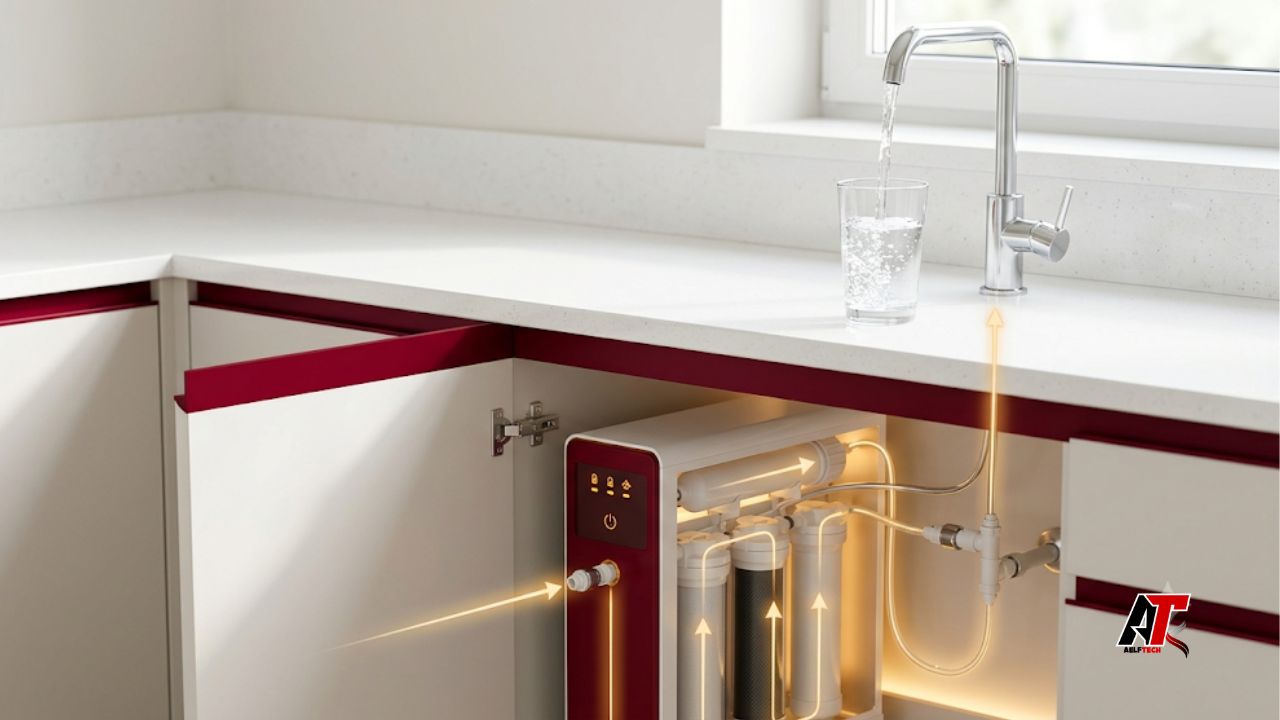
Clean, pleasant-tasting drinking water is easy to take for granted until the tap develops an unusual smell, visible particles, or a flavor that makes people reach for bottled water. Even when a public supply meets local standards, water can still pick up sediment, plumbing-related metals, disinfectant taste, or other unwanted characteristics before it reaches a glass. Point-of-use water filtration addresses that last stage of the journey. Instead of treating every gallon that enters a building, it treats water at the place where people drink, cook, or prepare beverages.
This targeted approach can make water more appealing and can reduce selected contaminants when the system is designed, tested, and maintained for that purpose. However, no single filter removes everything. The best results come from understanding the source water, identifying the concern, and matching it with a certified treatment method. This guide explains how point-of-use filtration improves drinking water quality, how the main technologies work, and what households and workplaces should consider before choosing a system.
What Is Point-of-Use Water Filtration?
A point-of-use, or POU, system treats water at one outlet rather than at the main pipe entering a property. Common formats include countertop dispensers, faucet-mounted filters, under-sink units, filtered water coolers, refrigerator filters, and reverse osmosis systems connected to a dedicated tap. Because the equipment serves a limited flow, it can focus treatment on water used for drinking and food preparation.
That setup differs from a point-of-entry system, which treats most or all water entering a building. Whole-building treatment may be useful when a concern affects bathing, laundry, appliances, or every fixture. In contrast, POU filtration is often the practical choice when the goal is better water at the kitchen sink, office break room, reception area, or another high-use drinking station.
Modern systems may use one treatment stage or several. A basic unit may rely on activated carbon to reduce chlorine taste and odor. A multi-stage model may add a sediment prefilter, carbon media, a membrane, and a polishing filter. Some configurations also include ultraviolet treatment for specific microbiological applications. The arrangement should always reflect the water problem, because a technology that improves flavor may not be certified to reduce a health-related contaminant.
How Point-of-Use Filtration Improves Drinking Water Quality
The clearest benefit of POU filtration is targeted treatment at the final point before consumption. Water does not need to travel through additional building pipes after treatment, so the user receives filtered water directly from the selected outlet. This can be especially valuable in older buildings, properties with long internal plumbing runs, or workplaces where occupants judge water mainly by taste, smell, and appearance.
A well-matched filter can improve sensory quality by reducing chlorine taste, musty odors, fine particles, and other aesthetic issues. Better taste can encourage people to drink tap water more often and use it for coffee, tea, soups, ice, and cooking. In offices, convenient filtered water may also reduce dependence on individual plastic bottles and make shared hydration stations more attractive.
Certain systems can also reduce specific contaminants. The actual result depends on the treatment method and the exact certification claim. For example, some carbon filters are certified for lead or selected organic compounds, while reverse osmosis systems may reduce dissolved solids and a broader range of substances. The key word is “specific.” Buyers should confirm that the model has been independently tested for the contaminant they want to address rather than assuming that every filter offers the same protection.
The Main Filtration Technologies and Their Roles
Activated carbon is one of the most common technologies in household and commercial POU equipment. Its large internal surface area adsorbs certain substances as water passes through the media. Carbon is widely used to reduce chlorine-related taste and odor, and certified models may also reduce selected organic chemicals or metals. Performance varies by media type, contact time, flow rate, and certification, so a generic “carbon filter” label is not enough to prove a particular claim.
Sediment filtration works more like a physical screen. It captures rust flakes, sand, silt, and other suspended particles that can affect water clarity or clog later treatment stages. Sediment filters are often used as prefilters because they protect carbon blocks and membranes. They do not usually solve dissolved chemical problems on their own, but they can improve appearance and help the rest of a multi-stage system operate more consistently.
Reverse osmosis forces water through a semipermeable membrane. Depending on the certified system, it can reduce dissolved solids and selected contaminants that may pass through simpler filters. RO can be useful when testing shows a need for broader dissolved-contaminant reduction. However, it also creates a reject-water stream, needs adequate pressure, and requires periodic membrane and filter changes. An efficient, properly sized unit is therefore preferable to choosing RO automatically for every situation.
Ultrafiltration uses a membrane with very small pores to capture fine particles and certain microorganisms, while allowing many dissolved minerals to remain. Ultraviolet systems use light to inactivate targeted microorganisms, but they do not remove sediment, salts, or most chemicals. UV also works best when water is clear enough for the light to reach organisms. For that reason, it is often paired with prefiltration rather than treated as a universal solution.
Why Testing and Certification Matter
A filter should be selected from evidence, not from fear or advertising alone. Public-water customers can begin with the annual water quality report from their utility. Private-well users should arrange appropriate laboratory testing and repeat it on a schedule recommended by local authorities. Testing helps separate an aesthetic concern, such as chlorine taste, from a contaminant concern that needs a specific treatment claim.
Independent certification makes product comparison easier. A certification mark does not mean that a device removes every possible contaminant. Instead, it shows that the model has been evaluated against a defined standard and claim. For example, NSF/ANSI 42 commonly relates to aesthetic effects such as chlorine taste and odor. NSF/ANSI 53 covers certified reduction claims for contaminants with health effects, while NSF/ANSI 58 applies to reverse osmosis systems. Buyers should read the complete product listing and confirm the exact reduction claim.
This is also where professional guidance can be useful. Providers of Point-of-use water filtration systems can help match capacity, installation style, service frequency, and treatment stages with the needs of a home or workplace. Even so, the final choice should remain tied to water data, certification, expected daily use, and a clear maintenance plan.
Everyday Benefits for Homes and Workplaces
Convenience is a major reason people adopt POU filtration. Filtered water is available from a familiar tap or dispenser without storing cases of bottles or scheduling frequent deliveries. In a kitchen, that convenience supports drinking, cooking, rinsing produce, making infant formula according to health guidance, and preparing hot or cold beverages. In a workplace, it can serve employees, visitors, and customers from one managed location.
POU systems also limit treatment to the water that needs it. A household does not normally need premium drinking-water treatment for toilet flushing, outdoor cleaning, or many other non-consumption uses. By concentrating equipment and replacement filters at one or two outlets, the user may reduce installation complexity and maintenance compared with a whole-building system.
There can also be an environmental advantage when filtered tap water replaces single-use bottles. The outcome depends on local recycling, filter disposal, system efficiency, and user behavior, but refilling reusable bottles generally reduces the number of containers purchased and transported. Offices can strengthen this benefit by placing a filtered station in an accessible area, supplying reusable cups or bottle-filling space, and posting a clear filter-service schedule.
How to Choose the Right Point-of-Use System
Start by defining the problem in plain language. Is the concern chlorine taste, visible sediment, lead from plumbing, hardness, high dissolved solids, a known chemical, or possible microbial contamination? Then confirm the concern with a utility report, laboratory test, or qualified water professional. This step prevents overspending on features that do not address the actual issue.
Next, match the treatment method and certification to the target. Compare rated flow, daily capacity, filter life, replacement cost, waste-water ratio for RO systems, available space, and installation requirements. A small pitcher may suit one person, while a busy office may need a plumbed-in dispenser designed for high daily use. A system that is too small can create slow flow and frequent filter changes; one that is unnecessarily complex can raise cost without adding useful protection.
Finally, consider ownership and service. Ask who will change cartridges, sanitize components, check for leaks, and record maintenance. Review warranty terms and verify that replacement parts will remain available. The best filter is not simply the model with the longest feature list. It is the system that reliably treats the right water, at the needed volume, with maintenance that the user can sustain.
Installation and Maintenance Protect Performance
Correct installation supports both water quality and property protection. Under-sink systems need secure fittings, suitable pressure, enough ventilation or clearance, and a safe route for any drain connection. When plumbing changes are involved, a qualified installer can reduce the risk of leaks and cross-connections.
Maintenance is equally important. As filters collect material, flow may fall and treatment performance can decline. Old cartridges can also become a place where microorganisms grow, especially when users ignore replacement instructions or leave a system idle for long periods. Follow the manufacturer’s schedule, but also respond to warning lights, reduced flow, unusual taste, odor changes, or long shutdowns. Clean housings and dispensing surfaces as directed, and wash hands when handling used cartridges.
Keep a simple service record with installation dates, cartridge changes, sanitizing, test results, and repairs. For a workplace, assign responsibility to a named person or service provider. After a boil-water advisory, plumbing repair, contamination event, or extended closure, follow local authority and manufacturer guidance before returning the unit to normal use. A filter is a managed treatment device, not a set-and-forget accessory.
Common Misunderstandings to Avoid
The first misunderstanding is that clear water is automatically safe water. Many dissolved substances are invisible, while harmless minerals can sometimes affect taste or leave scale. Visual inspection alone cannot identify every concern. Testing and official water reports provide a more reliable starting point.
The third is that filtration replaces emergency instructions. During a boil-water advisory or known contamination incident, users should follow directions from public-health and water authorities. Some filters do not remove viruses, bacteria, chemicals, fuel, or other hazards. Likewise, filtered tap water is not automatically suitable for medical devices or nasal rinsing. Those uses may require distilled, sterile, or properly boiled water according to medical and product guidance.
Frequently Asked Questions
Does point-of-use filtration remove all contaminants?
No. Each technology has limits, and certifications apply to named reduction claims. A system designed mainly for chlorine taste may not reduce lead, PFAS, microorganisms, or dissolved salts. Review water test results and select a model certified for the substances that matter in that location.
Is reverse osmosis always the best choice?
Not always. RO can reduce many dissolved substances, but it also costs more, needs maintenance, and sends some water to drain. When the main issue is taste, odor, or sediment, a certified carbon or multi-stage filtration system may meet the need with less complexity and water waste.
How often should a filter be replaced?
Replacement intervals differ by model, water quality, and usage. Follow the manufacturer’s time or gallon rating and replace the cartridge sooner when flow drops or water quality changes. Busy offices usually reach rated capacity faster than small households, so calendar reminders alone may not be enough.
Can a POU filter be used with private well water?
Yes, but the well should be tested first and the treatment plan should reflect the results. Well water may require disinfection, sediment control, pH adjustment, iron treatment, or other steps before a drinking-water filter. Local health or water professionals can help interpret the test and design a suitable approach.
Conclusion
Point-of-use filtration improves drinking water quality by treating water exactly where people consume it. A properly selected system can improve taste, odor, and clarity while reducing specific contaminants supported by independent certification. It can also provide a convenient alternative to bottled water and focus treatment spending on drinking and cooking needs.
The strongest results come from a simple process: understand the source, identify the concern, choose a certified technology, size it for demand, and maintain it on schedule. For more clear guides on technology and smart product decisions, visit aelftech.com.
Leave a Reply