
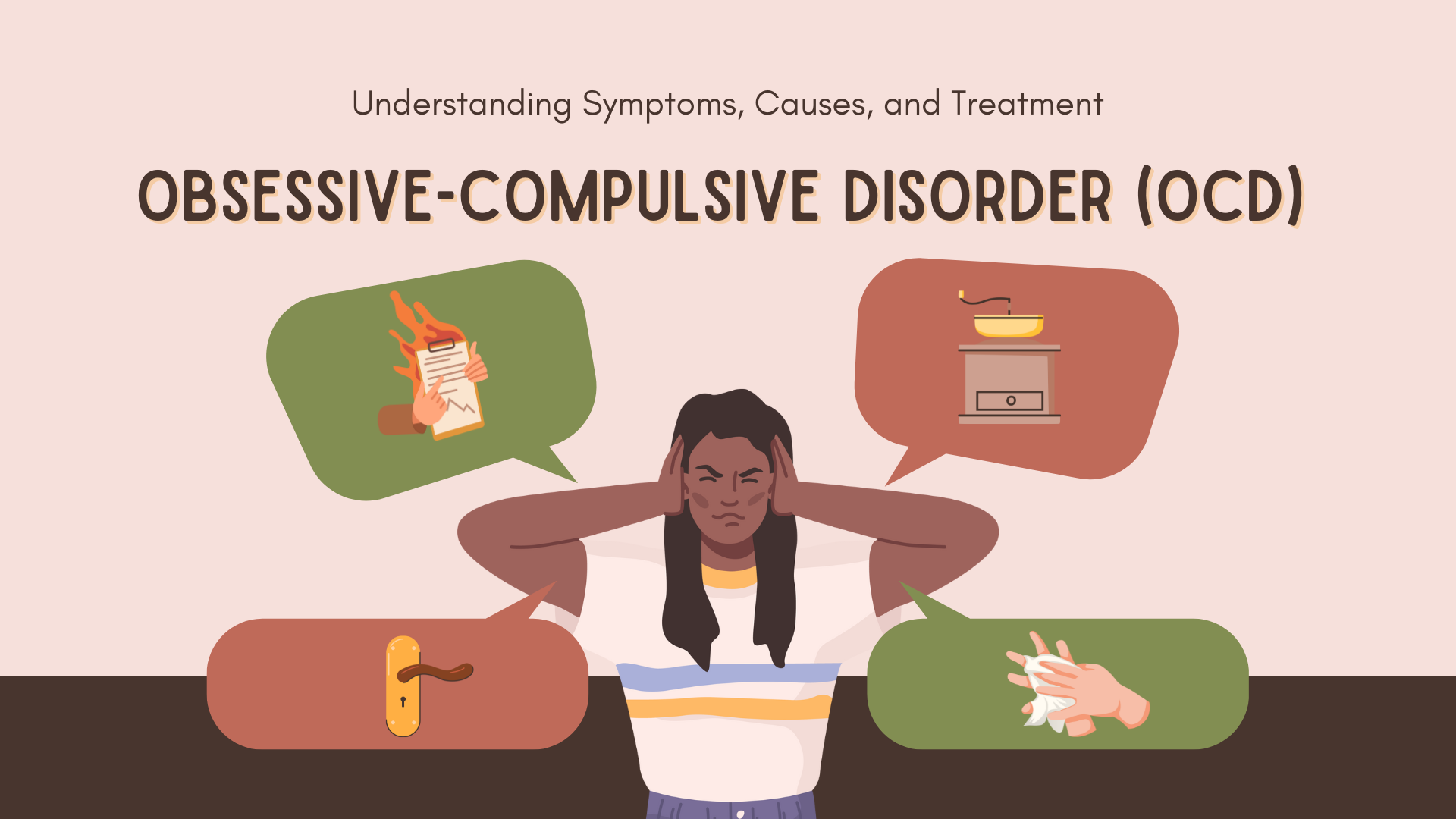
What is Obsessive-Compulsive Disorder (OCD)?
Obsessive-Compulsive Disorder (OCD) is a chronic mental health condition characterised by persistent, unwanted thoughts (obsessions) and repetitive behaviours (compulsions). People with OCD feel compelled to perform these rituals or behaviours to reduce anxiety or prevent a feared event from occurring. Unfortunately, these compulsions often provide only temporary relief, leading to a continuous cycle of distress.
OCD can significantly impact a person’s quality of life, affecting their relationships, work, and daily functioning. Traditional treatments such as Cognitive Behavioural Therapy (CBT) and medication (like SSRIs) are commonly used, but for some patients, these methods may not be sufficient or effective. In recent years, TMS treatment in Australia has emerged as a promising alternative or adjunct for those struggling to manage their OCD symptoms.
What is TMS Therapy?
Transcranial Magnetic Stimulation (TMS) is a non-invasive procedure that uses magnetic fields to stimulate nerve cells in specific areas of the brain. It has been proven effective in treating various mental health conditions, including depression, anxiety, and OCD. TMS treatment in Australia has gained traction as an innovative therapy for individuals who have not responded well to traditional treatments for OCD.
How Does TMS Work for OCD Treatment?
TMS therapy works by targeting areas of the brain that are involved in regulating mood and behaviour, specifically the prefrontal cortex. In OCD, the prefrontal cortex may not function optimally, contributing to the cycle of obsessive thoughts and compulsive actions. By using magnetic pulses, TMS helps to reset brain activity and improve communication between different brain regions, which can alleviate the symptoms of OCD.
The Process of TMS Therapy![]()
The TMS treatment in Australia is typically administered over the course of several weeks. A typical session lasts around 20-30 minutes, during which the patient sits in a comfortable chair while a magnetic coil is placed near the scalp. The coil generates magnetic pulses that stimulate the brain. Most patients remain awake and alert during the treatment, and there is no need for anaesthesia.
What to Expect During a TMS Session for OCD
The procedure itself is painless, though some patients report a mild tapping sensation on their scalp as the magnetic pulses are delivered. The intensity and frequency of the pulses can be adjusted based on the patient’s specific needs. Over the course of several sessions, TMS works to gradually recalibrate brain activity, which can result in a reduction of OCD symptoms.
Benefits of TMS Therapy for OCD
Non-invasive and Drug-Free Treatment
One of the key advantages of TMS treatment in Australia is that it is non-invasive. Unlike surgery, there are no incisions or injections required. Additionally, TMS is a drug-free treatment, which is especially beneficial for patients who cannot tolerate the side effects of medications or those who are looking for an alternative to pharmaceutical treatments.
Minimal Side Effects
Compared to medications, TMS therapy typically has fewer and less severe side effects. Some patients may experience mild discomfort at the site of the magnetic pulses, such as headaches or scalp irritation. These side effects are generally temporary and subside shortly after the session. Most patients report little to no downtime following TMS therapy, meaning they can resume their normal activities immediately after each session.
Proven Effectiveness for OCD Treatment
Research has shown that TMS therapy can significantly reduce OCD symptoms for many patients, especially those who have not responded to traditional treatments. Studies have found that patients undergoing TMS for Australia OCD treatment experienced notable improvements in obsessive thoughts and compulsive behaviours, with some even reporting long-lasting results. While TMS is not a cure for OCD, it offers a promising option for those looking for effective relief from their symptoms.
Treatment Flexibility
TMS therapy can be customised to suit each patient’s specific needs. The intensity, duration, and frequency of treatments are tailored to optimise results for each individual. This level of flexibility makes TMS an appealing option for people with varying degrees of OCD and different treatment needs.
Is TMS Therapy Right for You?
While TMS treatment in Australia is not suitable for everyone, it is an excellent option for individuals who have tried other treatments without success. It is especially beneficial for patients who:
- Have not responded well to medications (SSRIs or other antidepressants)
- Experience intolerable side effects from traditional treatments
- Prefer a non-invasive, drug-free approach to managing OCD
- Want to complement their existing treatment plan with additional support
If you are considering TMS therapy for OCD, it is essential to consult with a qualified mental health professional who can assess your condition and determine if TMS is the right treatment for you. They will evaluate your medical history, mental health, and the severity of your OCD symptoms to ensure the therapy will be effective.
What to Expect from the TMS Treatment Process![]()
Initial Consultation
Before beginning TMS therapy, you will have an initial consultation with a trained provider. This session will include a thorough evaluation of your medical history and OCD symptoms, as well as a discussion of your treatment goals. Based on this assessment, the provider will recommend a personalised TMS treatment plan, including the number of sessions needed and the specific settings for the magnetic pulses.
Course of Treatment
Most patients undergo daily TMS sessions for several weeks, with the exact duration depending on their response to the therapy. The frequency of sessions typically begins with five treatments per week and may decrease as symptoms improve. Treatment generally lasts for 4-6 weeks, although some patients may require additional sessions or maintenance treatments to sustain the benefits.
Post-Treatment Care
TMS therapy does not require any downtime, so patients can resume their usual activities immediately after each session. However, it is important to follow up with your healthcare provider throughout the treatment process to monitor progress and discuss any concerns. Regular follow-up appointments will ensure that the treatment plan is effective and any adjustments can be made if necessary.
The Future of OCD Treatment in Australia
TMS therapy offers a promising future for those struggling with OCD in Australia. As research continues to explore its potential, TMS may become an increasingly popular and effective treatment option for individuals looking for relief from their symptoms. With its proven success in treating depression and anxiety, TMS is now gaining recognition as a viable option for OCD management.
Conclusion
Overcoming OCD can be a challenging journey, but TMS treatment in Australia provides hope for many individuals who have struggled with the disorder for years. By targeting the underlying neurological causes of OCD, TMS offers a non-invasive, drug-free treatment alternative that has proven to be effective for many patients. If you are seeking a solution to manage your OCD symptoms, TMS therapy may offer the relief you need to improve your quality of life.
Leave a Reply