
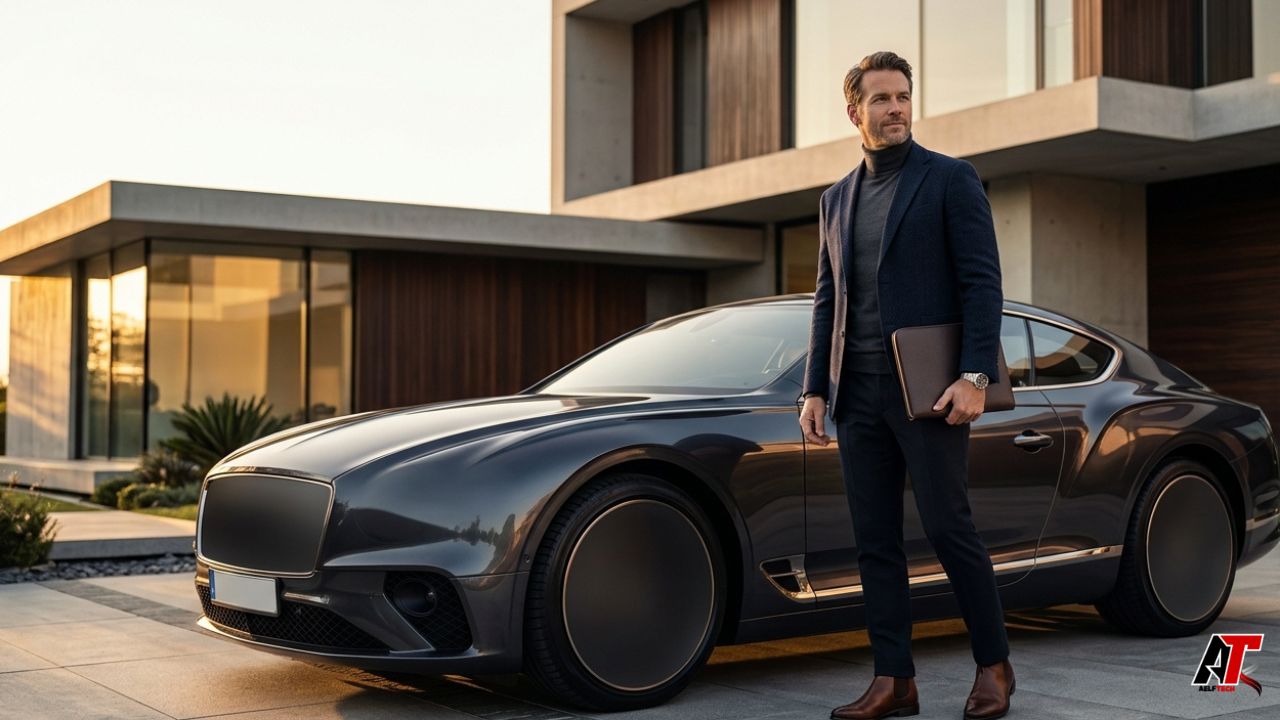
A luxury car has always communicated more than transportation. It can suggest ambition, taste, comfort, craftsmanship, performance, or access to a particular lifestyle. What is changing is the level of intention behind that message. More drivers now choose vehicles the way they choose clothing, watches, technology, or interior design: as visible parts of a personal brand.
That does not mean every premium vehicle is purchased for attention. Many owners simply value engineering, quiet cabins, refined materials, or long-distance comfort. Yet the modern luxury market increasingly supports self-expression through custom paint, tailored interiors, distinctive trims, digital configuration, and ownership experiences. The car becomes both a practical object and a carefully selected reflection of the person behind the wheel.
A Vehicle Can Function Like a Public Introduction
People form impressions quickly. Before a conversation begins, clothing, posture, accessories, and surroundings create a visual story. A vehicle can play a similar role because it appears at workplaces, restaurants, events, hotels, and social gatherings. Its design may communicate discretion, boldness, heritage, athleticism, environmental awareness, or technical curiosity.
The message is rarely universal. A large luxury SUV may represent family practicality to one person and executive presence to another. A grand tourer can suggest a preference for craftsmanship and long-distance travel, while a high-performance sedan may signal that the owner wants capability without sacrificing daily comfort. Personal branding works when the vehicle supports the owner’s real life rather than forcing a borrowed image.
Personalization Has Moved From Extra to Expectation
Luxury buyers increasingly expect meaningful choice. Bentley reported in March 2025 that 70 percent of its customers selected a Mulliner bespoke option during 2024. That figure illustrates how strongly buyers value details that make a vehicle feel individually commissioned rather than pulled from a standard inventory list.
Bentley’s Mulliner division allows clients to explore special paints, veneers, stitching, materials, and other tailored features. Similar programs exist across the luxury market because exclusivity now depends on more than the badge. Owners want a car that reflects their preferred colors, textures, atmosphere, and level of restraint. A carefully chosen specification can feel more personal than simply purchasing the most expensive model available.
Color Has Become a Form of Identity
Exterior color is one of the clearest branding decisions. Black, white, silver, and dark blue often project formality and timelessness. Deep green, burgundy, bronze, or muted satin finishes can communicate individuality without shouting. Bright colors create a more expressive, performance-oriented impression, especially on coupes and convertibles.
The strongest choice considers both personality and context. A business owner who meets conservative clients may prefer understated paint with a distinctive interior. A creative professional may use an unusual color as a recognizable signature. Buyers should also think about maintenance, visibility, local climate, and resale demand. Personal expression is valuable, but it should not create a finish that becomes impractical to preserve.
The Interior Is the Owner’s Private Brand Space
The exterior communicates with the public; the cabin communicates with the driver every day. Leather tone, stitching, veneer, metal finish, lighting, fragrance, seat design, and sound quality shape the emotional experience of ownership. These choices can make a vehicle feel calm and architectural, warm and traditional, or technical and performance focused.
A thoughtful cabin usually reflects how the vehicle will be used. Light-colored upholstery may look elegant but require more care in a family vehicle. Highly polished surfaces can photograph well yet show fingerprints. Dramatic contrast stitching may feel exciting on a sports car but busy in a luxury sedan intended for quiet travel. Personal branding is strongest when visual character and daily usability agree.
Body Style Communicates Lifestyle Priorities
The growing range of premium body styles gives drivers more ways to express how they live. Luxury SUVs suggest versatility, elevated visibility, and room for family or equipment. Sedans communicate formality and balance. Coupes prioritize emotion and design, while convertibles add leisure and openness. High-end wagons appeal to buyers who value capability with a less predictable image.
Choosing the right body style is more persuasive than selecting a car only because it is fashionable. A large SUV used by one person in a dense city may send a different message than intended. Conversely, a carefully equipped SUV used for mountain travel, client visits, and family duties can communicate practical success. The vehicle should make the owner’s lifestyle easier, not become an expensive costume.
Craftsmanship Matters More Than a Visible Logo
Personal branding can become shallow when it depends only on recognition. The more enduring appeal of a luxury car often comes from details that require time to notice: consistent stitching, solid switchgear, balanced ride quality, quiet airflow, precise paint, supportive seats, and materials that age gracefully. These qualities create a relationship with the owner beyond public status.
This distinction also explains the importance of heritage brands. Their strongest value is not simply familiarity; it is the expectation of engineering, design continuity, and service. Buyers who understand the product can choose details that express informed taste rather than obvious display. Subtle craftsmanship frequently communicates confidence more effectively than excessive decoration.
Digital Culture Has Made the Car More Visible
Social media has expanded the number of places where a vehicle appears. A car can become part of travel photographs, business content, lifestyle videos, event arrivals, and everyday posts. Even people who rarely publish car-specific content may show the vehicle in the background of their broader personal or professional story.
This visibility encourages buyers to think about visual consistency. Paint color, wheel design, interior tone, and photography can align with an established aesthetic. However, ownership should not become a continuous performance for an audience. The healthiest approach is to choose a car that feels right offline first. A vehicle selected only for engagement can become disappointing when the excitement of posting fades.
The Buying Journey Is Becoming Part of the Experience
Luxury customers increasingly research vehicles online before visiting a showroom. A 2025 BCG and duPont REGISTRY Group report found that around 80 percent of surveyed luxury and exotic vehicle buyers browsed online at least weekly, while 75 percent would consider completing their next purchase fully online. Digital research now shapes the shortlist, but high-touch service remains important.
A knowledgeable retailer can help translate identity into a suitable specification without pushing unnecessary options. Buyers looking for a dealer for bentley cars can review Bentley Denver’s inventory, service support, and local dealership information before arranging a visit. The best dealer relationship extends beyond the sale through maintenance planning, warranty support, product knowledge, and discreet communication.
Luxury Cars Can Support a Professional Brand
For entrepreneurs, executives, real-estate professionals, consultants, and creators, a vehicle may be visible to clients and collaborators. A well-maintained luxury car can reinforce an image of organization, reliability, success, or attention to detail. It may also provide a comfortable environment for long travel days and demanding schedules.
The effect depends on the audience. An extremely conspicuous vehicle can appear inspiring in one industry and insensitive in another. Professionals should consider clients, company culture, geography, and the type of trust they need to build. Often, a tasteful specification, immaculate condition, and respectful driving behavior contribute more to credibility than the price of the vehicle.
Technology and Sustainability Are New Identity Signals
Luxury branding is no longer limited to leather and horsepower. Electric powertrains, plug-in hybrids, advanced driver assistance, connected services, and energy-conscious materials can communicate an interest in innovation or lower-emission mobility. Some buyers want a vehicle that presents technological leadership; others prefer traditional mechanical character.
Neither choice is automatically more authentic. An electric luxury car should fit charging access, driving patterns, climate, and travel needs. A performance vehicle should be selected with an honest understanding of fuel, insurance, maintenance, and environmental impact. Values become credible when the ownership decision works in practice rather than serving as a slogan.
Certified Pre-Owned Cars Expand the Personal-Brand Market
A new factory order offers maximum control, but a certified pre-owned vehicle can deliver luxury craftsmanship with lower initial depreciation. It may also provide access to discontinued colors, previous-generation designs, or specifications that feel more distinctive than current trends. For many buyers, this is a smarter path to a vehicle that represents their taste.
Condition and history are central to the message. A carefully maintained older luxury car can communicate discernment and long-term appreciation, while a neglected new one can undermine the image it was meant to create. Buyers should review service records, warranty terms, inspection standards, tires, brakes, electronics, and expected repair costs before deciding that a lower purchase price represents better value.
Ownership Costs Are Part of Brand Credibility
A luxury vehicle carries continuing obligations. Insurance, registration, tires, scheduled service, detailing, storage, fuel or charging, and unexpected repairs can be substantial. Highly customized finishes may require specialist care. Large wheels can increase tire expense and reduce ride comfort, while complex technology can become costly outside warranty.
Personal branding should never depend on financial strain. A car that creates anxiety, delayed maintenance, or excessive debt does not support confidence. Buyers should calculate the full annual cost, maintain an emergency reserve, and choose a financing structure that leaves room for other priorities. Sustainable ownership protects both the vehicle and the reputation associated with it.
Privacy and Security Deserve More Attention
Modern luxury cars store contacts, navigation history, garage information, app credentials, and connected-service data. Cameras, microphones, mobile keys, and remote functions increase convenience but also require careful account management. Owners should use strong passwords, enable available security protections, limit unnecessary permissions, and remove personal information before selling or returning a leased vehicle.
Public visibility creates physical considerations as well. Posting a distinctive car in real time can reveal location, routines, or travel status. Owners should avoid exposing home addresses, access devices, documents, and predictable schedules. A personal brand can remain visible without sacrificing personal security.
Avoid Building an Image That Feels Forced
The weakest luxury choices are often made to satisfy someone else’s expectations. A driver may buy the loudest color, largest wheel, or most powerful version because it appears impressive, even when those choices reduce comfort or do not suit daily use. The result can feel more like imitation than identity.
Authenticity comes from selectivity. A driver who values quiet travel may choose comfort seats and a refined audio system. An enthusiast may prioritize steering feel and performance options. A design-focused buyer may invest in a special paint and restrained cabin. The strongest personal brand is not the most expensive configuration; it is the one whose details make sense together.
How to Choose a Luxury Car That Represents You
Begin with three questions: How will the car be used? What should it communicate? Which qualities matter when nobody else is watching? The answers help separate genuine preferences from temporary influence. Test the vehicle in realistic conditions, including parking, commuting, passenger use, road noise, visibility, and technology operation.
Create a specification hierarchy. First choose the body style, powertrain, safety features, and comfort equipment that support daily life. Next choose durable visual elements such as paint, wheels, upholstery, and trim. Finally, add distinctive details that create personality without damaging usability or resale value. For more practical technology, consumer, and lifestyle guidance, visit aelftech.com.
Final Thoughts
Luxury vehicles are becoming more personal because buyers have more tools to shape them and more platforms on which they are seen. Bespoke programs, digital configuration, social media, online research, and changing ideas about technology and sustainability have expanded the car’s role from transportation to identity.
The most successful ownership choices remain grounded. A luxury car should fit the driver’s real routines, financial position, values, and aesthetic preferences. When craftsmanship, usability, maintenance, and self-expression align, the vehicle becomes a convincing part of a personal brand—not because it demands attention, but because it tells a coherent story.
Leave a Reply