
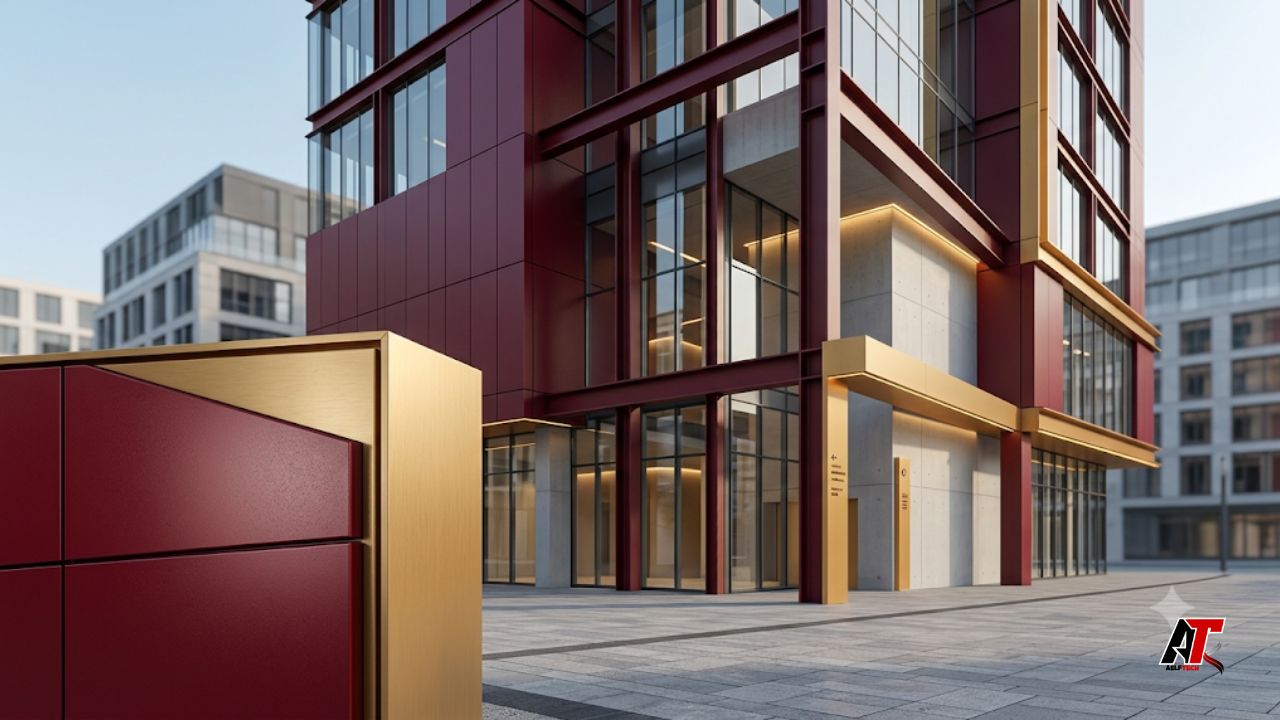
Modern architecture is expected to do far more than look impressive. A building must resist weather, support daily use, remain attractive for years, and meet increasingly demanding standards for efficiency and maintenance. This shift has changed the role of surface finishes. Industrial coatings, once associated mainly with factories, pipelines, machinery, and heavy equipment, are now becoming an important part of architectural thinking.
These coatings are not simply decorative paint. They are engineered systems designed to protect a surface or add a specific performance benefit. Depending on the formulation, a coating may improve resistance to corrosion, moisture, chemicals, abrasion, heat, ultraviolet exposure, staining, or repeated cleaning. At the same time, modern systems can deliver smooth, textured, matte, metallic, or high-gloss finishes that support a designer’s visual concept.
As architects combine exposed steel, concrete, aluminum, glass, composites, and engineered panels, coatings help those materials perform in real-world conditions. The result is a new relationship between appearance and protection. Instead of treating durability as a technical issue that comes after design, project teams are using coating performance to shape the design itself.
What Makes an Industrial Coating Different?
A standard decorative coating is usually selected mainly for color, sheen, and basic surface coverage. An industrial coating is chosen through a more detailed performance process. The specification may consider the substrate, expected temperature, exposure to water or chemicals, cleaning methods, abrasion level, required service life, application conditions, and the consequences of failure.
Common systems include epoxies, polyurethanes, fluoropolymers, powder coatings, zinc-rich primers, acrylics, elastomeric coatings, and specialized high-temperature or anti-graffiti finishes. Many architectural assemblies use a complete coating system rather than one product. A primer bonds to the surface and supports corrosion control, an intermediate layer builds protection, and a topcoat provides color, weather resistance, and cleanability.
Performance Is Becoming Part of the Design Language
One of the biggest changes in modern architecture is the growing popularity of honest, exposed materials. Structural steel, metal staircases, service elements, concrete walls, ducts, columns, and mechanical details are often intentionally visible. This creates a bold industrial character, but it also exposes materials to fingerprints, moisture, abrasion, pollution, and constant use.
Industrial coatings allow designers to keep that raw visual language without accepting an unfinished level of protection. A blackened steel feature can appear rugged while receiving a clear or tinted protective finish. A bright structural frame can become a brand element rather than something hidden behind drywall. Exposed mechanical components can be color-coded to create visual order, wayfinding, or contrast.
Longer-Lasting Facades and Exterior Elements
Exterior architecture faces continuous stress. Rain, condensation, salt, sunlight, temperature changes, air pollution, and wind-driven particles can gradually damage unprotected surfaces. Coastal buildings face salt exposure, while urban projects may experience grime, vehicle emissions, and frequent cleaning. Even small coating failures can allow moisture to reach metal, beginning a cycle of corrosion, staining, and expensive repair.
High-performance coatings create a barrier between the building material and its environment. On metal facades, railings, canopies, roof components, louvers, and structural details, the right system can slow corrosion and preserve finish quality. UV-resistant topcoats help colors remain stable, while flexible coatings can better tolerate movement or small changes in the substrate.
A Wider Palette of Materials, Colors, and Textures
Industrial coating technology has expanded the aesthetic choices available for architectural surfaces. Powder-coated aluminum can provide consistent color on facade panels, window frames, partitions, and furniture. Textured finishes can reduce the visibility of small surface imperfections. Metallic and pearlescent effects can create depth as daylight changes. Matte coatings can soften the appearance of large surfaces, while gloss finishes may be used to highlight selected details.
However, visual samples remain essential. A color viewed on a screen or small chip can look very different on a large facade. Texture, substrate preparation, application method, curing, lighting, and gloss level all influence the result. For important surfaces, project teams should review physical samples and, where practical, approve a full-size mockup before final production.
Better Surfaces for High-Traffic Interiors
Industrial coatings are also changing interior architecture, particularly in spaces that experience heavy use. Hospitals, laboratories, schools, airports, commercial kitchens, warehouses, parking structures, and public corridors need surfaces that can tolerate impact, cleaning, spills, and constant contact. Ordinary finishes may quickly show scratches, stains, peeling, or discoloration.
A properly selected coating can improve cleanability and reduce the number of joints or vulnerable finishes in a space. Seamless floor and wall systems are useful where hygiene and moisture control are important. Abrasion-resistant coatings can protect handrails, doors, columns, loading areas, and service corridors. Anti-graffiti systems may allow marks to be removed more easily without replacing the complete finish.
Functional Coatings Add More Than Protection
The most significant development is the move from protective coatings to functional coatings. These materials are designed to change how a surface behaves. Depending on the system, a coating may reduce friction, provide non-stick release, resist chemicals, add dielectric properties, tolerate high temperatures, or protect precision components from wear.
A useful example is the range of FluoroPlate Coatings, which includes functional options associated with properties such as abrasion, chemical, and corrosion resistance, as well as low friction and non-stick performance. These technologies are commonly selected for engineered components rather than used as ordinary wall paint, but they demonstrate the broader direction of coating innovation: the surface can perform a job, not merely carry a color.
In architecture, this way of thinking is influencing door hardware, facade mechanisms, movable shading systems, ventilation components, specialty glazing assemblies, food-service equipment, water-handling elements, and other details where friction, contamination, corrosion, or repeated movement affects reliability. As buildings become more technically complex, the coating specification may be just as important as the base material.
Supporting Sustainability Through Service Life
Sustainability is often discussed in terms of recycled content, embodied carbon, and energy use, but service life is equally important. A material that needs frequent stripping, repainting, or replacement creates additional labor, waste, transportation, and operational disruption. A durable coating system can help extend the useful life of a component and preserve the investment already embodied in it.
The strongest specification is based on lifecycle thinking. Instead of choosing the cheapest initial finish, the project team compares expected durability, maintenance intervals, access requirements, downtime, and replacement consequences. A more durable coating may have a higher initial price but lower long-term cost when it reduces recoating cycles or protects a difficult-to-reach assembly.
Lower Maintenance Without Sacrificing Style
Maintenance has a direct effect on how architecture is experienced. A beautiful entrance canopy loses impact when rust stains appear. A bright interior feature becomes distracting when it is covered with chips and scuffs. Owners may respond with repeated touch-ups that create uneven color and gloss, gradually weakening the original design.
Industrial coatings can make maintenance more predictable. Chemical-resistant surfaces may tolerate stronger cleaning routines. Durable topcoats can reduce visible wear. Smooth, low-adhesion finishes may make dirt easier to remove. Standardized coating colors and documented repair procedures can also simplify future touch-ups.
How to Specify the Right Coating System
Coating selection should begin with the actual conditions of the project, not with a preferred product name. The first question is the substrate: carbon steel, galvanized steel, aluminum, concrete, wood, plastic, glass, or a previously coated surface. Each material requires compatible preparation and adhesion.
Next, the team should define exposure. Is the element indoors or outdoors? Will it face salt, humidity, sunlight, standing water, cleaning chemicals, heat, food contact, impact, or constant handling? How often can it be inspected, and how difficult will future recoating be? The answers determine the level of protection required.
Common Specification Mistakes to Avoid
The first mistake is choosing a coating by color alone. Two products with the same appearance may have very different resistance to sunlight, chemicals, or abrasion. Another mistake is assuming that more thickness always means more protection. Excessive or uneven film build can cause curing problems, cracking, or poor adhesion.
Finally, teams should not ignore compatibility between products. Primers, intermediate coats, and topcoats need to function as a system. Existing finishes may need testing before overcoating. Clear documentation of the approved system, preparation standard, color, sheen, batch information, and repair method supports consistency during construction and future maintenance.
The Future: Smarter and More Responsive Surfaces
The next generation of coatings is moving toward smarter surface behavior. Research and product development are exploring self-healing films, antimicrobial surfaces, heat-reflective finishes, anti-icing layers, photocatalytic coatings, and materials that respond to light or temperature. Some technologies are already practical in specialized settings, while others still require careful evaluation for durability, cost, and large-scale application.
For architects, the opportunity is to think of the surface as an active layer of the building. A coating can protect, identify, reflect, insulate, resist contamination, reduce friction, or support easier maintenance. As these functions become more reliable and accessible, material selection will increasingly include both the substrate and the engineered behavior of its surface.
Frequently Asked Questions
Are industrial coatings suitable for residential architecture?
Yes, when the product is designed and approved for the intended location. Residential uses may include garage floors, metal gates, railings, exterior steel, workshops, roofs, and selected high-wear surfaces. Indoor use requires attention to emissions, ventilation, curing, and manufacturer guidance.
Do industrial coatings replace good construction detailing?
No. Coatings perform best when surfaces are properly designed, prepared, drained, installed, and maintained. Trapped moisture, poor edge treatment, incompatible materials, or movement beyond the coating’s capability can still lead to failure.
Can a high-performance coating improve a building’s appearance?
Yes. Modern systems are available in many colors, gloss levels, textures, and special effects. They can create a consistent architectural identity while protecting the substrate. Physical samples and mockups should be reviewed because large surfaces and changing light can alter the visual result.
How long do industrial architectural coatings last?
Service life varies widely. It depends on the coating chemistry, number of layers, surface preparation, film thickness, exposure, workmanship, inspection, and maintenance. The project specification should define realistic performance expectations rather than relying on a universal lifespan.
Conclusion
Industrial coatings are reshaping modern architectural design because they connect appearance with real performance. They help exposed materials resist demanding environments, allow designers to use a wider range of colors and textures, support cleaner high-traffic interiors, and reduce the maintenance burden that can weaken a building’s visual identity.
Their greatest value appears when they are considered early. Architects, engineers, fabricators, coating specialists, contractors, and owners can then align the finish with the substrate, exposure, desired appearance, installation process, and long-term maintenance plan. This collaborative approach turns a coating from a last-minute color choice into a carefully engineered part of the building.
For more practical insights on design, technology, and digital innovation, explore aelftech.com. The future of architecture will not be defined by structure alone. It will also be shaped by intelligent surfaces that protect materials, improve experience, and help buildings stay useful and attractive for longer.
Leave a Reply