
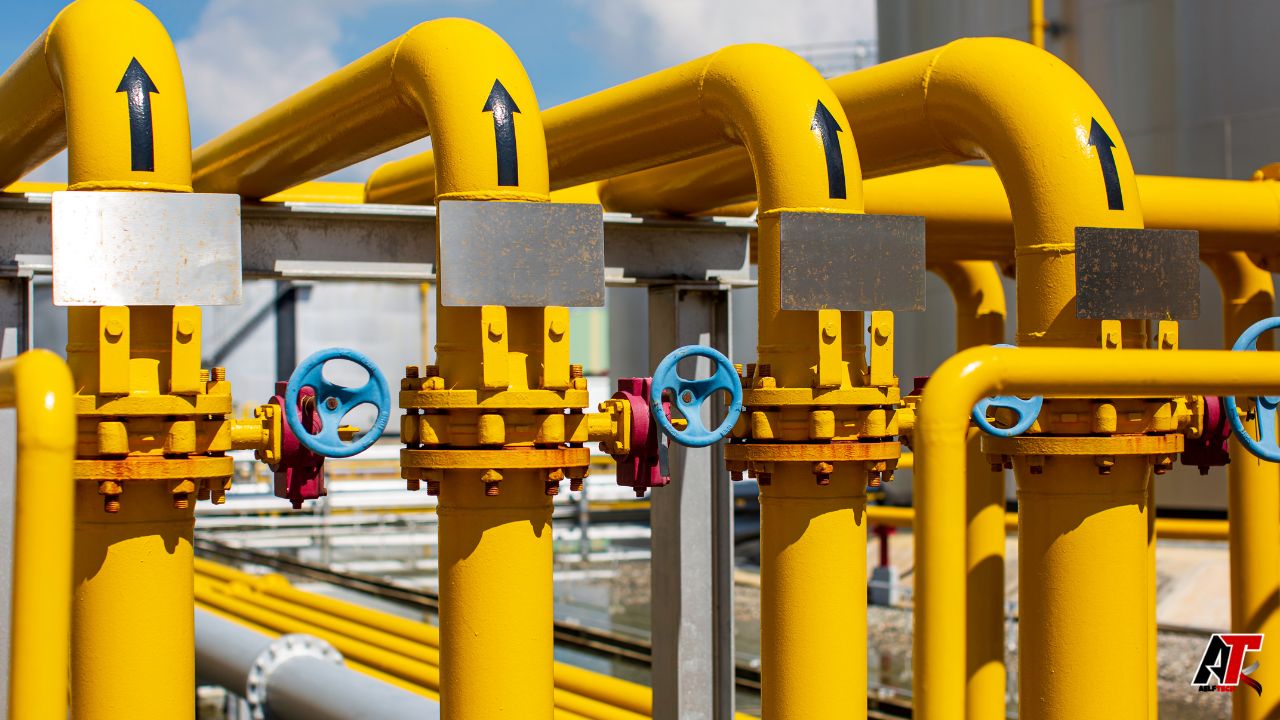
Impulse tubing freezing prevention is essential for maintaining reliable instrumentation, protecting process equipment, and ensuring accurate pressure and flow measurements in cold-weather environments. Impulse tubing connects process lines to instruments such as pressure transmitters, differential pressure transmitters, gauges, and flow meters. When moisture or process fluids freeze inside these small-diameter tubes, they can block pressure signals, produce inaccurate readings, damage instrumentation, and interrupt industrial operations. Implementing effective freezing prevention strategies helps maintain system performance, improve safety, and reduce costly downtime.
Industries such as oil and gas, chemical processing, power generation, water treatment, and manufacturing often operate in environments where freezing temperatures can affect instrumentation. Proper planning and preventive maintenance are critical for reliable operation.
What Is Impulse Tubing?
Impulse tubing is small-diameter tubing used to transmit process pressure from pipelines or vessels to measuring instruments. It allows instruments to safely monitor process conditions while remaining installed at a convenient location.
Impulse tubing is commonly used with:
- Pressure transmitters
- Differential pressure transmitters
- Pressure gauges
- Flow measurement systems
- Level measurement instruments
- Control systems
Proper installation and maintenance are essential to ensure accurate measurement and long-term reliability.
Why Impulse Tubing Freezes
Freezing occurs when moisture or process fluids inside the tubing are exposed to temperatures below their freezing point.
Several factors contribute to freezing.
Low Ambient Temperatures
Outdoor installations are especially vulnerable during winter months or in cold climates.
Moisture Accumulation
Condensation or trapped water inside impulse lines can freeze and block pressure transmission.
Inadequate Insulation
Poorly insulated tubing loses heat more quickly, increasing the likelihood of freezing.
Process Shutdowns
Reduced fluid movement during shutdowns allows temperatures inside the tubing to drop more rapidly.
Risks of Frozen Impulse Tubing
Frozen tubing can create operational and safety concerns.
Inaccurate Instrument Readings
Ice blockages may prevent pressure from reaching the instrument correctly, resulting in incorrect measurements.
Equipment Damage
Expansion caused by freezing fluids may damage:
- Tubing
- Fittings
- Valves
- Pressure transmitters
Process Interruptions
Blocked impulse lines can affect automated control systems and lead to unplanned downtime.
Increased Maintenance Costs
Emergency repairs often require additional labor, replacement components, and production interruptions.
Common Impulse Tubing Freezing Prevention Methods
Several proven methods help reduce freezing risks.
Heat Tracing
Heat tracing applies controlled heat along impulse tubing to maintain temperatures above freezing.
Common heat tracing systems include:
- Electric heat tracing
- Steam tracing
- Self-regulating heating cables
Proper installation helps maintain consistent tubing temperatures.
Insulation
Thermal insulation reduces heat loss from impulse tubing.
Common insulation materials include:
- Fiberglass
- Mineral wool
- Closed-cell foam
- High-temperature insulation
Insulation is often used together with heat tracing for improved protection.
Tubing Routing
Proper routing can minimize cold exposure.
Recommended practices include:
- Keep tubing as short as practical.
- Avoid unnecessary low points where moisture may collect.
- Protect tubing from direct wind exposure.
- Route tubing through sheltered areas when possible.
Moisture Control
Preventing moisture accumulation reduces freezing risk.
Methods include:
- Proper draining
- Moisture removal
- Leak prevention
- Routine inspections
Choosing the Right Tubing Material
Material selection influences system durability and performance.
Stainless Steel
Common benefits include:
- Corrosion resistance
- High strength
- Wide temperature tolerance
- Long service life
Copper
Copper tubing offers good thermal conductivity but may not be suitable for every industrial application.
Specialty Alloys
Certain applications require tubing materials designed for highly corrosive or extreme operating environments.
Material selection should consider process compatibility and operating conditions.
Best Practices for Impulse Tubing Installation
Correct installation helps improve long-term reliability.
Maintain Proper Slope
Proper tubing slope helps prevent trapped moisture from accumulating.
Minimize Tubing Length
Shorter impulse lines generally improve instrument response and reduce heat loss.
Protect Connections
Secure fittings reduce the likelihood of leaks and moisture entry.
Support Tubing
Adequate supports help prevent vibration damage and mechanical stress.
Preventive Maintenance
Routine inspections help identify potential issues before freezing occurs.
Maintenance tasks include:
- Inspect insulation
- Check heat tracing systems
- Verify tubing supports
- Test instrument performance
- Inspect fittings for leaks
- Remove accumulated moisture
- Confirm proper drainage
Preventive maintenance contributes to reliable year-round operation.
Industries That Use Impulse Tubing
Impulse tubing is widely used across industrial sectors.
Oil and Gas
Pressure measurement systems monitor pipelines, processing equipment, and production facilities.
Chemical Processing
Accurate instrumentation supports process control and operational safety.
Power Generation
Power plants rely on pressure transmitters for steam, water, and fuel systems.
Water and Wastewater
Instrumentation monitors pressure, flow, and treatment processes.
Manufacturing
Industrial production systems use impulse tubing for process monitoring and automation.
Heat Tracing vs. Insulation
| Feature | Heat Tracing | Insulation |
|---|---|---|
| Primary Function | Adds heat | Reduces heat loss |
| Freeze Protection | Active | Passive |
| Energy Requirement | Yes | No |
| Best Used With | Insulation | Heat tracing |
| Application | Cold environments | Most installations |
Combining heat tracing with insulation often provides the most effective freeze protection.
How to Select a Freezing Prevention Solution
Several factors influence the appropriate solution.
Consider:
- Ambient temperature
- Process fluid characteristics
- Instrument location
- Available utilities
- Maintenance requirements
- Operating conditions
- Regulatory requirements
System design should be based on the specific needs of the installation.
Common Mistakes to Avoid
Avoid these common issues:
- Inadequate insulation
- Poor tubing routing
- Ignoring moisture accumulation
- Delaying maintenance
- Improper heat tracing installation
- Failing to inspect before winter
Preventive planning helps reduce operational disruptions.
FAQs
What is impulse tubing freezing prevention?
Impulse tubing freezing prevention refers to methods used to protect instrument tubing from freezing temperatures that may block pressure transmission or damage equipment.
Why does impulse tubing freeze?
Freezing occurs when moisture or process fluids inside the tubing are exposed to temperatures below their freezing point, particularly in cold outdoor environments.
How can freezing be prevented?
Common prevention methods include heat tracing, insulation, proper tubing routing, moisture control, and routine maintenance.
Is insulation alone enough to prevent freezing?
Insulation slows heat loss but does not generate heat. In very cold environments, heat tracing may also be required depending on the application.
Which industries use impulse tubing?
Impulse tubing is commonly used in oil and gas, chemical processing, power generation, manufacturing, water treatment, and other industrial facilities.
Conclusion
Impulse tubing freezing prevention is a key part of maintaining reliable industrial instrumentation in cold environments. By combining proper installation practices, heat tracing, insulation, moisture control, and regular maintenance, facilities can reduce the risk of frozen impulse lines, inaccurate measurements, and costly downtime. Investing in an effective freeze protection strategy helps improve equipment reliability, support operational safety, and ensure consistent process performance throughout the year.
Leave a Reply