
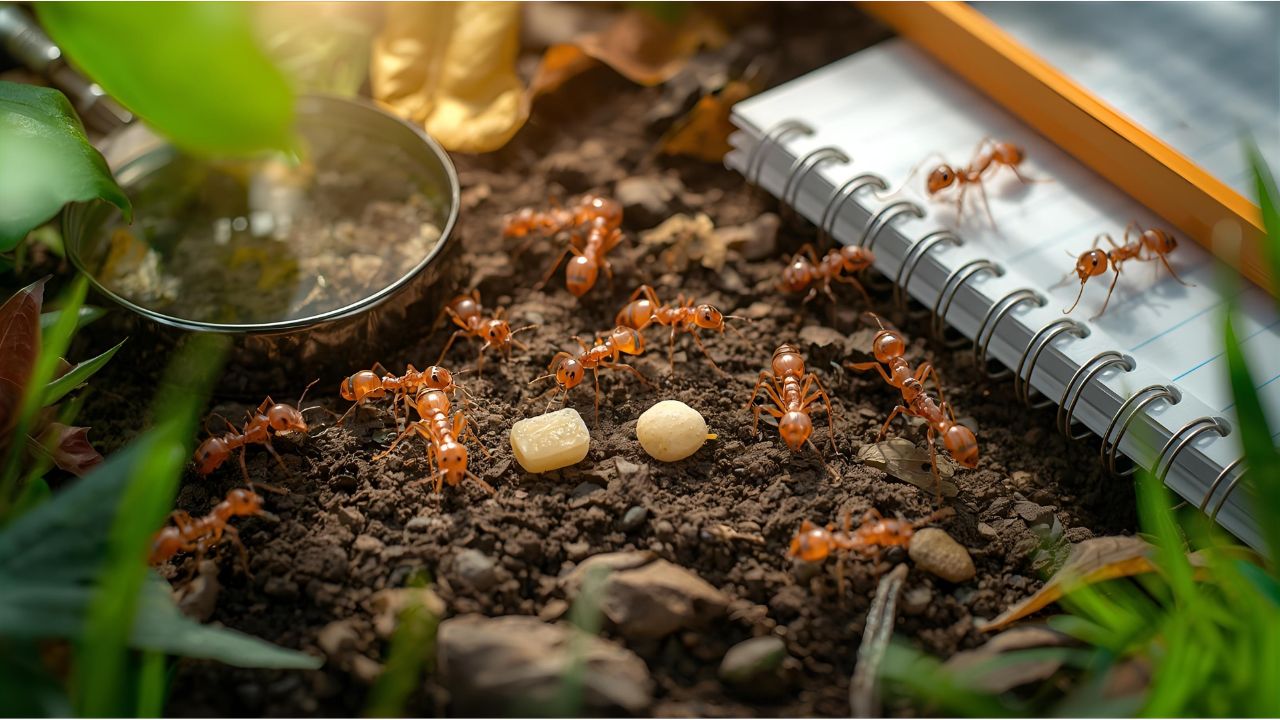
Ants are fascinating creatures with complex social behaviors. Learning how to attract ants can be useful for observation, research, or educational purposes. By understanding their preferences for food, shelter, and environment, you can safely attract ants without harming them or their natural habitat.
Whether you are a student studying insects, a hobbyist observing nature, or an educator preparing classroom activities, attracting ants requires patience, the right resources, and attention to detail.
Why Attracting Ants Can Be Useful
Attracting ants provides a window into their world. Some benefits include:
- Educational Observation: Learn about ant colonies, roles, and behavior patterns.
- Research Purposes: Scientists and students study ants to understand social structures and ecology.
- Ecological Awareness: Observing ants helps appreciate their role in ecosystems as decomposers and soil aerators.
- Hobby and Curiosity: Ants can be observed in gardens, ant farms, or outdoor spaces for personal interest.
Foods That Attract Ants
One of the most effective ways to attract ants is by offering food. Different types of ants are attracted to different substances:
1. Sugary Foods
Ants are highly attracted to sugar. You can use:
- Honey
- Sugar water
- Syrup or jam
Place small amounts on a plate, paper, or cotton ball. Ants will follow the scent trail to the food source.
2. Protein Sources
Some ants prefer protein-rich foods, especially when feeding larvae. Options include:
- Small bits of cooked meat or cheese
- Peanut butter
- Insect pieces for certain species
3. Oils and Fats
Oily substances can also attract ants. A small smear of vegetable oil or margarine can draw them in for observation.
Tip: Place food in small quantities to avoid creating a mess or attracting unwanted pests.
Creating the Right Environment
Ants are more likely to visit areas that mimic natural conditions. To attract ants effectively:
- Use Shallow Containers: Place food on shallow dishes or trays to make it accessible.
- Keep It Clean: Remove leftover food to prevent mold or harmful bacteria.
- Moisture Matters: Ants need water; lightly moisten soil or provide a small drop of water near the bait.
- Choose the Right Location: Place food near ant trails, gardens, or areas with visible ant activity.
Observation Tips for Ant Enthusiasts
Attracting ants is just the first step. Observing them safely is equally important:
- Use Magnifying Glasses: Helps you study small ants closely.
- Create Ant Trails: Place food in a line to see their organized behavior.
- Avoid Direct Contact: Ants can bite or spray formic acid; observe from a safe distance.
- Ant Farms for Study: Consider a contained ant farm to watch colony behavior over time.
Common Mistakes to Avoid
- Overfeeding: Excess food can attract unwanted insects.
- Harming the Ants: Avoid chemicals or traps when simply observing ants.
- Ignoring Environment: Ants may not visit if the environment is too dry, hot, or disturbed.
- Expecting Immediate Results: It can take time for ants to discover and follow new food sources.
Frequently Asked Questions (FAQs)
Q1. How long does it take to attract ants?
It can take a few hours to a couple of days depending on the location, ant population, and type of bait used.
Q2. Can I attract ants without food?
Yes, ants are also attracted to moisture and certain natural scents, but food is the most reliable method.
Q3. Is it safe to attract ants near my home?
Yes, if done carefully. Avoid placing food indoors or near areas where ants could become pests.
Q4. Can I study ants without harming them?
Absolutely. Use observation tools like magnifying glasses, ant farms, or photography to study ants safely.
Q5. What types of ants are easiest to attract?
Sugar ants, carpenter ants, and pavement ants are common and easy to attract for observation purposes.
Conclusion
Learning how to attract ants is a fascinating way to study nature, understand social insect behavior, and engage in hands-on educational experiences. By using the right foods, creating a suitable environment, and observing patiently, you can explore the world of ants safely and effectively.
Attracting ants not only satisfies curiosity but also promotes ecological awareness and provides insights into one of nature’s most organized and industrious species.
Leave a Reply