
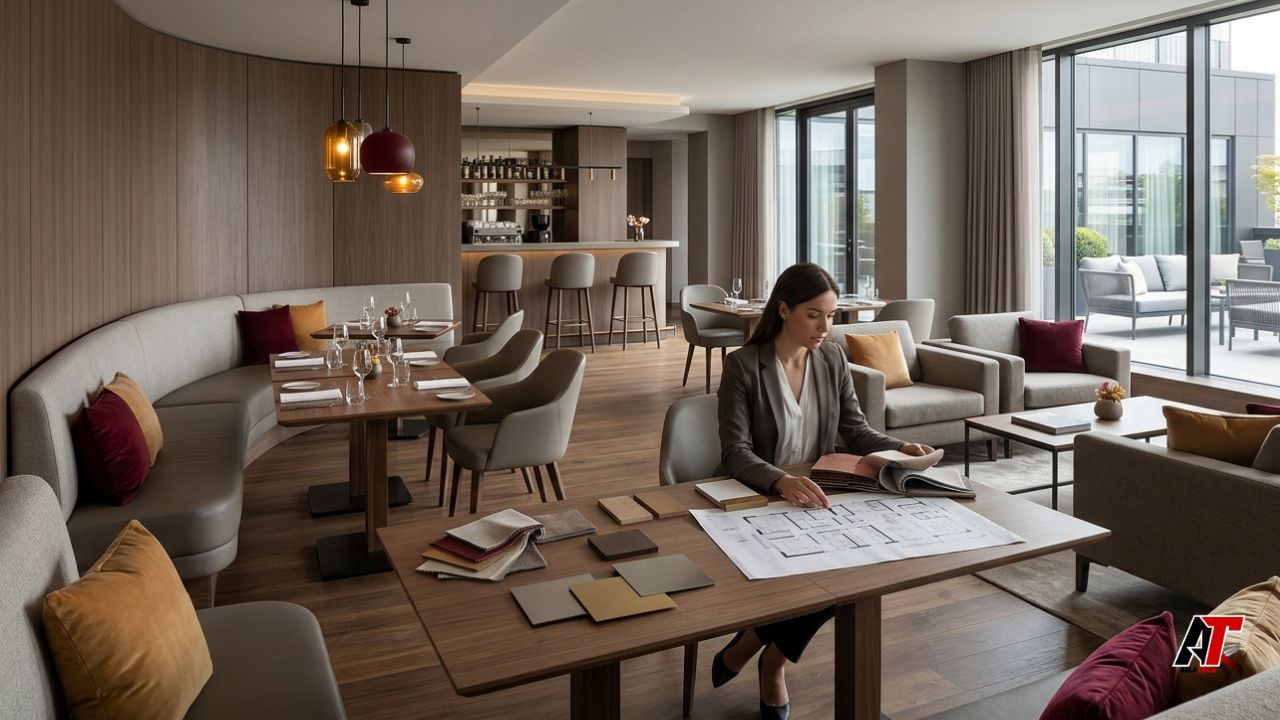
Furniture is one of the most visible investments in any hotel, restaurant, café, bar, resort, or guest-focused venue. It shapes first impressions, influences comfort, affects how smoothly people move through the space, and determines how much time staff spend cleaning, repairing, or rearranging the environment. A chair may look attractive in a catalog, yet fail quickly under constant use. A beautiful table may fit the design concept, but create circulation problems once servers, guests, wheelchairs, and cleaning carts enter the room.
That is why hospitality furniture selection should be treated as a strategic business decision rather than a decorative shopping exercise. The right process connects brand identity, guest expectations, operational needs, safety, accessibility, maintenance, and long-term cost. This guide explains how decision-makers can evaluate each of those factors and build a coherent furniture package that performs well after opening day.
1. Begin With the Guest Experience and Brand Promise
Every furniture decision should support the experience the business promises. A quick-service restaurant needs efficient, easy-to-clean seating that encourages smooth turnover. A fine-dining venue may prioritize longer sitting comfort, quieter upholstery, and refined finishes. A boutique hotel lobby might require flexible lounge groupings that feel residential, while a convention property may need modular pieces that can be reconfigured quickly.
Start by defining the intended mood in practical terms. Instead of saying the space should feel “luxurious,” identify what luxury means for the target guest: generous seat width, tactile materials, calm colors, privacy, attentive detailing, or effortless accessibility. Likewise, “casual” may mean lightweight chairs, communal tables, relaxed textures, and easy movement. A clear design brief prevents random purchases and helps suppliers understand the desired balance of style and performance.
For additional ideas on connecting comfort, visual character, and commercial use, review this guide on how to choose hospitality furniture guests love. Use it as inspiration, then translate the ideas into measurable requirements for your own venue.
2. Map the Space Before Choosing Individual Pieces
Furniture should be selected from a floor plan, not from isolated product photographs. Accurate measurements reveal how many seats the venue can support without making the room feel crowded. They also show where doors swing, where service paths cross, where guests queue, and where columns, planters, host stands, or architectural features restrict movement.
Create zones for arrival, waiting, dining, lounging, bar service, private events, and staff circulation. Then test table sizes and seating mixes. Two-person tables can be joined for groups, while booths use wall space efficiently and create intimacy. Outdoor areas also need room for umbrellas, heaters, planters, and safe routes.
Accessibility must be planned at the same stage. In the United States, accessible dining surfaces generally require a forward approach with knee and toe clearance, and the top of an accessible dining surface is typically 28 to 34 inches above the finished floor. Required clear floor space is generally at least 30 by 48 inches. Local codes and project conditions can add further requirements, so architects and code professionals should confirm compliance before orders are finalized.
3. Specify Commercial-Grade Performance
Residential furniture is designed for occasional household use. Hospitality furniture may be used by hundreds of people each week, moved repeatedly, exposed to spills, and cleaned with commercial products. The construction specification therefore matters as much as the appearance.
Ask suppliers about frame materials, joinery, fasteners, weight capacity, finish systems, edge protection, glides, replacement parts, and testing. Metal frames should have stable welds and protective finishes. Wood chairs should use strong joints and durable coatings. Upholstered seating needs dependable suspension, resilient foam, reinforced seams, and fabrics rated for the expected traffic level. Tables require bases that resist wobbling and tops that tolerate heat, moisture, scratching, and repeated sanitation.
Request physical samples or prototypes for significant orders. Sit in the chair, check the seat edge and back support, and confirm that armrests do not interfere with the table. Move the chair across the intended flooring and test the table for stability. These checks expose weaknesses that renderings cannot show.
4. Balance Comfort With Operational Efficiency
Comfort is not a single feature. It comes from seat height, depth, width, back angle, cushioning, foot support, table clearance, temperature, and personal space. The correct combination depends on how long guests are expected to stay. A bar stool for a short drink can be firmer than a lounge chair designed for an extended conversation. Dining chairs should support a natural posture without forcing guests too far from the table.
Operational efficiency matters at the same time. Staff must be able to lift, move, clean, and store furniture safely. Overly heavy chairs slow down floor resets. Deep grooves collect crumbs. Pale fabrics may demand constant spot cleaning. Large bases can catch feet or obstruct server paths. Stackable or nesting options are valuable for banquet rooms and seasonal patios, but only when storage areas and stacking heights are planned.
Test every shortlisted item from three viewpoints: guest, server, and maintenance team. The best hospitality furniture supports guest comfort while reducing friction for the people who operate the space every day.
5. Choose Materials for the Real Environment
Material selection should reflect location, climate, cleaning practices, and likely sources of damage. Indoor dining areas often benefit from sealed hardwood, metal, high-pressure laminate, quartz, stone, or well-specified upholstered surfaces. Each material has trade-offs. Natural stone feels premium but can be heavy and may require sealing. Wood creates warmth but needs protection against moisture and impact. Laminates are practical and consistent, although edge quality and repairability vary.
Outdoor furniture faces ultraviolet exposure, rain, humidity, temperature changes, wind, and airborne pollution. Specify corrosion-resistant metals, exterior-rated finishes, solution-dyed textiles, quick-drying cushions, and materials that will not crack or fade prematurely. Consider how pieces will be secured in strong weather and where cushions will be stored.
Indoor air quality also deserves attention, especially in hotels and enclosed dining rooms. Composite wood, adhesives, coatings, and upholstery components can release chemical emissions. Ask for low-emitting materials and relevant compliance documentation. The U.S. Environmental Protection Agency notes that pressed-wood furniture and cabinetry can be sources of formaldehyde, making ventilation and product selection important considerations during installation and early occupancy.
6. Build a Cohesive Restaurant Furniture Collection
A strong restaurant interior rarely comes from buying every item in the same matching set. It comes from establishing a controlled design language. Choose a limited family of finishes, shapes, colors, and materials, then vary them according to each zone. Dining chairs, bar stools, booths, waiting benches, and outdoor seating can feel related without looking identical.
Start with the pieces that define the visual rhythm, usually dining chairs and tables. Add bar seating at the correct counter height, then choose booths or banquettes that support acoustic comfort and efficient space use. Select table bases according to top size and guest legroom. Finally, coordinate accessories such as host stands, service stations, planters, screens, and lighting so they do not compete with the main furniture.
Browsing a broad restaurant furniture collection can help teams compare categories and understand how tables, chairs, stools, booths, and outdoor pieces may work together. However, the final selection should be edited carefully. A smaller, intentional palette usually creates a stronger identity than a room filled with unrelated statement pieces.
7. Evaluate Accessibility, Safety, and Inclusive Use
Inclusive design improves the experience for a wide range of guests, including wheelchair users, older adults, families with children, people with limited mobility, and guests who need more space. Provide a meaningful choice of accessible seating rather than treating one table as an afterthought. Keep routes clear, avoid sharp projections, and ensure furniture does not block door maneuvering areas, emergency paths, or service access.
Consider contrasts and visibility as well. Guests may struggle to see transparent glass edges, low tables, or furniture that blends completely into the floor. Stable armchairs can help some people sit and stand, while armless chairs may be more comfortable for others. A mixed seating plan offers choice. Outdoor furniture should remain stable on the installed surface, and movable items should not drift into accessible routes.
Fire performance, slip resistance, structural stability, and local health regulations can affect specifications. Requirements vary by jurisdiction and occupancy type, so obtain documentation from manufacturers and coordinate with the project’s architect, fire consultant, or authority having jurisdiction. Compliance should be verified before purchase, not after installation.
8. Compare Suppliers Beyond the Unit Price
The lowest quote is not always the least expensive option. Compare lead times, minimum order quantities, freight, customs, installation, assembly, packaging removal, warranties, spare parts, replacement availability, and the supplier’s ability to match finishes in future orders. Delays can be especially costly when they affect a planned opening or renovation schedule.
Ask for shop drawings, finish samples, fabric cuttings, product dimensions, care instructions, and written specifications. Confirm whether product photographs represent the exact material and color being quoted. For custom pieces, approve a prototype or control sample before mass production. Define acceptable tolerances and create an inspection process for delivery.
A capable supplier should explain how claims are supported. Terms such as “commercial grade,” “stain resistant,” or “outdoor rated” are too vague without test information or warranty language. Evaluate every vendor against the same written criteria.
9. Calculate Lifecycle Cost, Not Just Purchase Cost
Furniture budgets should include the full ownership period. A cheaper chair that requires frequent tightening, refinishing, or replacement may cost more than a better-built alternative. Lifecycle cost includes purchase price, freight, installation, cleaning labor, protective treatments, repairs, replacement parts, storage, and eventual disposal.
Standardization can reduce long-term costs. Using common table bases, glides, upholstery types, and finish colors simplifies maintenance and spare-parts inventory. Removable seat pads or replaceable upholstery panels can extend service life. Ordering a small quantity of attic stock for high-wear items may also prevent mismatched replacements later.
Sustainability fits naturally into this calculation. Durable, repairable furniture usually creates less waste than disposable furniture. Ask whether components can be replaced, whether materials are responsibly sourced, and whether the supplier offers refurbishment or take-back options. Environmental claims should be supported with specific documentation rather than broad marketing language.
10. Create a Sample, Approval, and Delivery Plan
Before placing a full order, document who approves design, comfort, dimensions, finishes, and commercial terms. A sample review meeting should include operations, design, ownership, and maintenance representatives. Photograph approved samples, label them, and record any requested modifications in writing.
Build time for production, freight, customs, site access, assembly, inspection, and snag correction into the project schedule. Confirm lift sizes, doorway widths, loading restrictions, and installation hours. Large banquettes, stone tops, and assembled tables can create serious access problems when logistics are ignored.
On delivery, inspect quantities, finish consistency, damage, wobble, hardware, upholstery, and dimensions. Separate damaged goods and document issues immediately. Keep warranty records, care instructions, supplier contacts, and approved specifications in one shared location. This organized handover protects the investment and gives the operations team a practical maintenance reference.
Final Checklist for Strategic Hospitality Furniture Selection
Before approving the purchase, confirm that the collection supports the brand concept, target guest, required capacity, service flow, accessibility, and cleaning routine. Verify commercial construction, material suitability, comfort, dimensions, warranties, replacement options, and total delivered cost. Review samples under the actual lighting when possible, because colors and textures can look different from a screen or showroom.
The most successful projects treat furniture as part of the operating system of the venue. Thoughtful choices help guests feel comfortable, enable staff to work efficiently, and preserve the visual quality of the space over time. For businesses developing content and digital visibility around interior products, hospitality services, or commercial design, team aelftech.com can provide a useful starting point for broader online strategy.
Conclusion
Strategic hospitality furniture selection requires more than choosing fashionable chairs and tables. It begins with the guest promise, develops through accurate planning and commercial specifications, and ends with disciplined supplier management and delivery control. Every choice should answer a practical question: Does this piece strengthen the experience while surviving the realities of daily operation?
When brand identity, comfort, durability, accessibility, maintenance, and lifecycle cost are considered together, the result is a restaurant or hospitality furniture collection that looks intentional and performs reliably. That balance protects the budget, supports the staff, and gives guests one more reason to remember the space positively.
Leave a Reply