
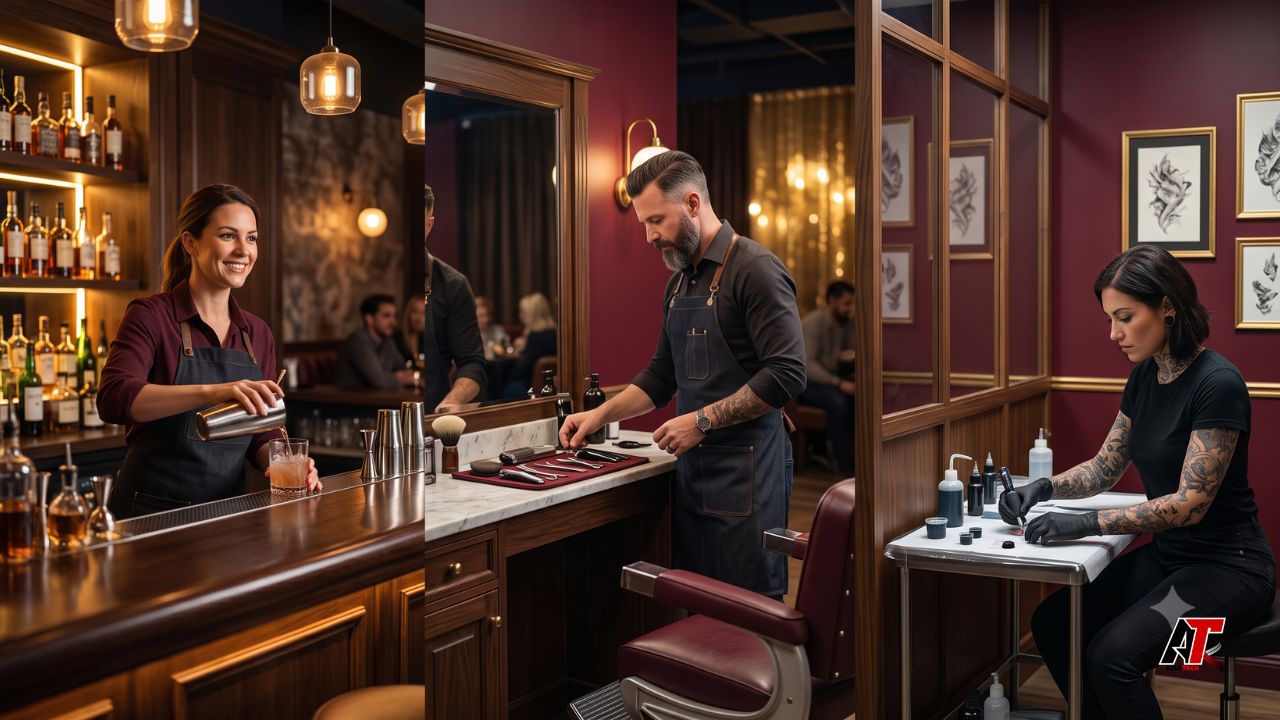
First impressions are not random. They are built from small details that people notice before a real conversation begins. A steady voice, clean grooming, confident posture, eye contact, and the way a person enters a room can shape how others read them in seconds. Bartenders, barbers, and tattoo artists understand this better than most professionals because their work depends on fast trust.
A bartender has to read a guest quickly. A barber has to make someone comfortable before touching their hair or beard. A tattoo artist must earn trust before placing permanent art on skin. These jobs may look different, but they all teach the same lesson: people decide how they feel about you long before they know much about you.
This is why first impressions matter in dating, business, customer service, interviews, sales, branding, and everyday relationships. The good news is that you do not need to fake a personality or act like someone else. You only need to control the signals that are already speaking for you.
Why First Impressions Happen So Fast
People are built to judge quickly. In daily life, we do not have time to study every stranger in detail. The brain uses shortcuts. It reads the face, clothing, scent, grooming, tone, movement, and confidence level. Then it forms a quick feeling: safe, unsure, interested, impressed, bored, or alert.
Research on facial perception shows that appearance can affect how people judge qualities such as attractiveness, competence, likability, and trustworthiness. One peer-reviewed study published in PLOS ONE found that changes in facial presentation can influence how viewers rate faces, even after very short exposure. This does not mean appearance is everything. It means presentation becomes part of the message.
Bartenders, barbers, and tattoo artists see this play out every day. They do not need a psychology degree to know that people respond differently when someone looks put together, relaxed, and intentional. A person who appears rushed, messy, tense, or careless has to work harder to build the same trust.
What Bartenders Know About Reading the Room
A good bartender notices details before taking an order. They see who is confident, who is nervous, who wants attention, and who wants space. They notice body language, facial expressions, tone, and timing. This is not about judging people unfairly. It is about understanding the mood of a room so they can serve better.
The first lesson from bartenders is simple: your energy enters the room before your words do. If you walk in with tight shoulders, no eye contact, and a distracted face, people may read you as closed off. If you walk in calm, aware, and respectful, people are more likely to open up.
Bartenders also understand the power of timing. A person who interrupts, shouts, or acts impatiently creates a poor impression even if they look sharp. A person who waits, makes eye contact, and speaks clearly feels easier to trust. In social and professional settings, timing can be as important as appearance.
Another lesson is that people remember how you make them feel. The best-dressed person in the room can still leave a bad impression by being rude. A simple smile, a clear greeting, and respectful behavior can do more than expensive clothes. First impressions are visual, but they are also emotional.
What Barbers Know About Grooming and Confidence
Barbers work with one of the most visible parts of identity: the head, hairline, beard, and face. They know that grooming changes how people carry themselves. Many clients sit down tired or unsure and leave standing taller. The haircut did not change their personality, but it changed how they felt in their own skin.
Clean grooming tells people that you pay attention. It does not require luxury. A neat haircut, shaped beard, clean skin, fresh clothing, trimmed nails, and a pleasant scent are enough to show care. When your grooming looks intentional, people often assume your habits are intentional too.
For men with facial hair, beard care can strongly affect first impressions. A dry, uneven, or uncombed beard can make the whole face look less polished. Using a high-quality beard oil can help soften facial hair, improve shine, and support a cleaner grooming routine. The goal is not to look perfect. The goal is to look prepared.
Barbers also know that personal style should match the person. A sharp fade may suit one client, while a classic cut may suit another. First impressions become stronger when grooming feels natural rather than forced. People notice when someone is comfortable with their look.
What Tattoo Artists Know About Trust
Tattoo artists work in a space where trust matters immediately. A client is not just buying a service. They are giving permission for a permanent mark. Before the machine starts, the artist has to show cleanliness, confidence, patience, and professionalism.
The first impression of a tattoo artist often begins with the studio. Is it clean? Is the equipment organized? Does the artist listen? Do they explain the process clearly? These signs tell the client whether they are in safe hands. The same idea applies to every business. Your space, website, profile photo, email style, and first message all speak before your pitch does.
Tattoo artists also understand that confidence must be calm. Loud confidence can feel risky. Calm confidence feels safe. When someone explains options clearly, answers questions without irritation, and shows past work honestly, trust grows. This is a lesson every professional can use.
Another powerful lesson is permanence. Tattoo artists know that some choices last. A first impression may not last forever, but it can shape the next step. It can decide whether someone books a call, accepts a date, visits a store, follows a page, or walks away.
The Small Signals People Notice First
Most people do not consciously list every detail they notice. They simply get a feeling. That feeling often comes from small signals working together. Grooming, posture, facial expression, clothes, voice, scent, phone behavior, and manners all combine into one quick judgment.
Clothing does not need to be expensive, but it should fit the setting. A clean, simple outfit that fits well often works better than a loud outfit worn without confidence. The same rule applies online. A clear profile photo, simple bio, and clean website design can create trust faster than heavy graphics or confusing text.
Posture also sends a message. Standing straight does not mean acting stiff. It means showing that you are present. Slumped shoulders, crossed arms, and constant phone-checking can make people feel ignored. Open posture and full attention make people feel respected.
Voice is another early signal. Speaking too fast can sound nervous. Speaking too softly can sound unsure. Speaking with a calm pace and clear words helps people feel that you know what you mean. This is why customer-facing professionals practice tone without always calling it practice.
Why Clean Presentation Builds Trust
Trust often begins with order. A clean bar, a clean barber station, and a clean tattoo studio all create comfort. Customers may not understand the full skill behind the service, but they can recognize care. Clean presentation reduces doubt.
This applies to personal branding too. When someone lands on your website, social media page, business card, or storefront, they ask silent questions. Is this person serious? Is this business active? Can I trust them? Do they understand what I need? Good presentation answers those questions quickly.
At aelftech.com, the same principle can apply to digital presence. A business with a clear message, clean design, and helpful content often earns more trust than a business that only tries to look flashy. Online first impressions are still first impressions.
First Impressions Are Not About Being Fake
Some people dislike the idea of managing first impressions because it sounds fake. But there is a difference between pretending and preparing. Pretending means hiding who you are. Preparing means presenting yourself with respect for the moment.
A bartender does not fake hospitality by cleaning the bar. A barber does not fake skill by organizing tools. A tattoo artist does not fake professionalism by explaining aftercare. These actions show respect. The same is true when you dress appropriately, arrive on time, groom well, and speak clearly.
The strongest first impressions are honest. They show the best version of what is already true. If you are creative, let your style show it. If you are calm and practical, let your presentation reflect that. If you are bold, use boldness with control. People trust consistency.
How Businesses Can Apply These Lessons
Businesses often spend money on ads before fixing the first impression. That can waste attention. If the landing page is confusing, the logo looks outdated, the photos are poor, or the offer is unclear, people leave. The ad may bring traffic, but the first impression decides what happens next.
A bartender would fix the atmosphere before inviting guests in. A barber would clean the chair before the client sits. A tattoo artist would prepare the station before the appointment. Businesses should do the same with their digital touchpoints.
Start with the homepage. It should explain who you help, what you offer, where you operate, and what the visitor should do next. Then review your contact forms, service pages, profile photos, reviews, and response speed. Every small touchpoint either builds trust or weakens it.
For service brands, local businesses, creators, and consultants, first impressions are often the difference between being considered and being ignored. People rarely tell you the design looked untrustworthy or the message felt unclear. They simply choose someone else.
A Simple First Impression Checklist
You can improve your first impression by checking a few practical points before any meeting, event, call, or customer interaction.
- Make sure your grooming is clean and intentional.
- Wear clothes that fit the setting and feel natural on you.
- Use calm eye contact and relaxed posture.
- Speak clearly and do not rush your words.
- Put your phone away when someone is speaking.
- Keep your workspace, website, or profile clean and current.
- Show respect through timing, listening, and small manners.
These steps sound basic because they are. But basic things done consistently create strong trust. Most people do not lose opportunities because they lack talent. They lose them because their first signals create doubt.
The Final Lesson: Details Become Reputation
Bartenders, barbers, and tattoo artists know that first impressions are not a shallow game. They are part of service, trust, and human connection. People want to feel safe, seen, respected, and confident in their choice. The first few seconds help them decide whether that feeling is possible.
A great first impression does not require perfection. It requires awareness. Notice your grooming. Notice your tone. Notice your timing. Notice how your space, brand, and behavior make people feel. When the small details work together, people remember you for the right reasons.
In the end, first impressions are not just about how you look. They are about how clearly you communicate care before you say much at all.
Leave a Reply