
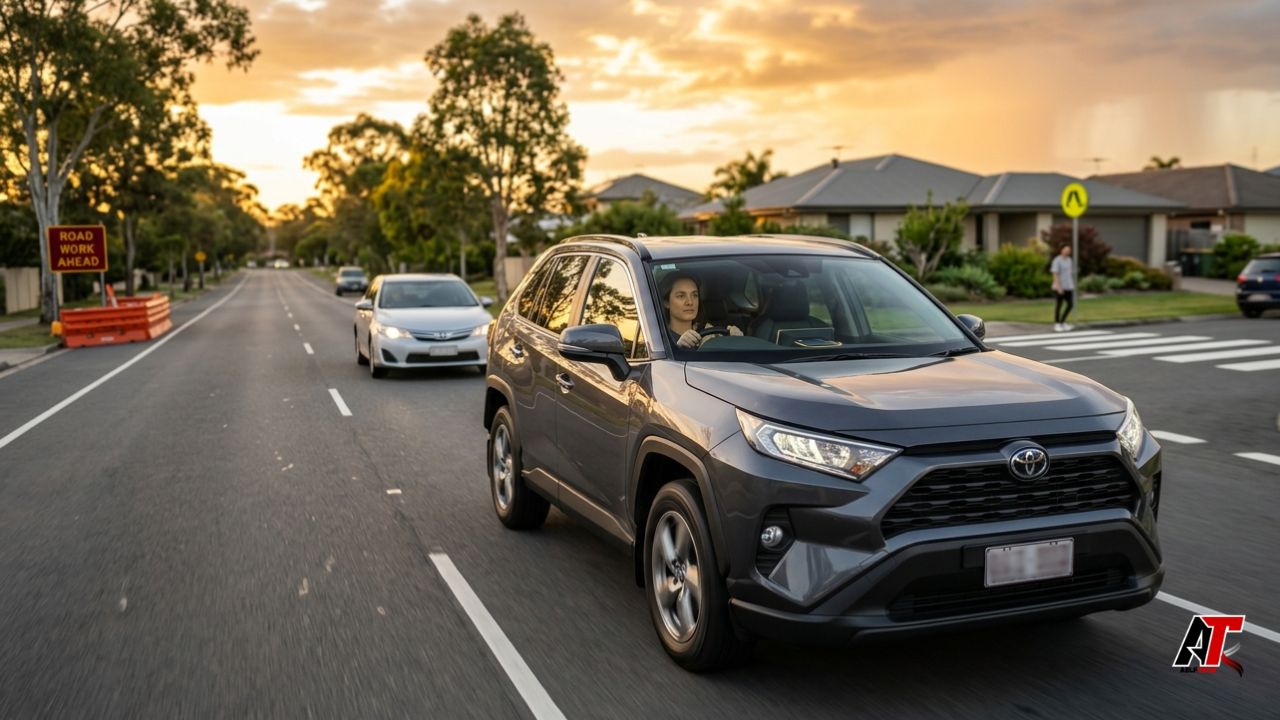
Driving becomes familiar so quickly that small shortcuts can start to feel harmless. A driver glances at a message, follows a little too closely, delays a tyre check, or assumes a minor scrape does not need attention. Often, nothing happens, so the habit continues until traffic, weather, fatigue, or another road user removes the margin for error.
The common mistakes drivers make are usually ordinary decisions repeated without enough thought. Understanding them helps motorists protect passengers, reduce repair costs, preserve insurance options, and respond calmly when something goes wrong. This guidance is written for Australian readers, although many principles apply elsewhere. Rules and penalties vary, so check the relevant state or territory authority.
Why Everyday Driving Mistakes Matter
Road safety depends on time, space, visibility, and judgement. Speed reduces reaction time. Distraction delays recognition of a hazard. Tailgating removes braking space. Fatigue weakens attention and decision-making. A poorly maintained vehicle can then make an avoidable situation harder to control. These risks often overlap, which is why a seemingly minor mistake can lead to a serious crash.
Australian road-safety messaging highlights speeding, distraction, impaired driving, fatigue, and seatbelt use. Safer driving requires deliberate habits that remain reliable when a motorist is rushed, frustrated, tired, or on an unfamiliar road.
1. Treating the Speed Limit as a Target
A posted speed limit is the maximum allowed under suitable conditions, not a promise that the road is safe at that speed. Rain, glare, darkness, roadworks, loose gravel, congestion, wildlife, and limited visibility may require a much lower speed. Drivers often make the mistake of maintaining the limit because they fear delaying traffic, even when their stopping distance and view of the road are inadequate.
Ask whether the vehicle can stop within the visible, clear distance ahead. Slow before bends, intersections, school zones, pedestrian areas, or changing surfaces rather than braking sharply after a hazard appears. Smooth adjustment gives other drivers time to react and helps tyres retain grip.
2. Looking at a Phone or In-Car Screen
Distraction is not harmless simply because it lasts only a second. Reading a notification, changing a playlist, entering a destination, eating, or turning around to speak to a passenger can take the driver’s eyes, hands, or mind away from the road. Queensland guidance notes that even a split-second loss of concentration can place the driver, passengers, and other road users at risk.
Set navigation and audio before moving, place the phone out of reach, and block notifications. Pull over somewhere lawful and safe when a task cannot wait. Hands-free technology does not eliminate mental distraction, so keep conversations brief.
3. Following Too Closely
Tailgating is one of the most common mistakes drivers make because the gap can shrink gradually without the driver noticing. A close gap provides little time to interpret brake lights, road debris, a pedestrian, or a sudden queue. It also encourages repeated braking, increases stress, and makes rear-end damage more likely.
Use a time gap rather than judging distance by car lengths. NSW guidance recommends at least a three-second crash-avoidance space in good conditions and four seconds or more in poor conditions. Leave additional space at night, on wet or unsealed roads, when towing, behind large vehicles, or when another driver is behaving unpredictably.
4. Failing to Scan Beyond the Vehicle in Front
Safe observation is active, not fixed. Drivers who stare only at the vehicle directly ahead may miss a traffic light changing, a queue forming, a cyclist approaching, or a car preparing to leave a side street. Mirrors are also sometimes checked only before a lane change rather than throughout the journey.
Look well ahead and bring the eyes back to the near road regularly. Check mirrors in a steady rhythm, perform a shoulder check before moving laterally, and avoid remaining beside another vehicle for longer than necessary. This wider scan gives the brain time to predict hazards instead of reacting at the last moment.
5. Driving While Tired
Fatigue is often underestimated because a driver may feel awake enough to begin a trip. Warning signs can appear later as frequent yawning, heavy eyes, drifting speed, missed exits, poor memory of the previous kilometres, or difficulty holding a lane. Queensland road-safety guidance states that being awake for more than 17 hours can impair performance in a way comparable to a blood-alcohol concentration above 0.05.
Coffee, loud music, and open windows are not substitutes for sleep. Plan long drives around normal sleeping hours, share driving when possible, and stop as soon as warning signs appear. A useful travel plan includes a break of at least 15 minutes about every two hours, with an overnight stop when the distance cannot be covered safely.
6. Making Late, Aggressive, or Unclear Movements
Sudden lane changes, late indicators, hard acceleration, and rushing through a closing gap force other road users to compensate. Drivers may also accelerate to block a merging vehicle or respond to another person’s mistake with tailgating and gestures. These reactions turn a manageable situation into a conflict.
Drive predictably: signal early, maintain a stable speed, create space for merging traffic, and accept that missing a turn is safer than an abrupt manoeuvre. When another driver becomes aggressive, increase distance and avoid engagement.
7. Using the Same Technique in Every Condition
Wet roads, darkness, fog, strong wind, and regional travel all change the level of risk. A vehicle may take longer to stop, lane markings can become difficult to see, and animals or debris may appear without warning. Drivers make a mistake when they rely on the same speed, following gap, and steering inputs used on a dry urban road.
Increase space, reduce speed smoothly, use lights correctly, and avoid sudden inputs. Before regional trips, check weather, fuel range, road closures, mobile coverage, and rest locations.
8. Ignoring Tyres, Brakes, Lights, and Warning Signs
Vehicle maintenance is part of driving, not a separate responsibility. Incorrect tyre pressure can reduce handling and braking performance, while worn tread struggles to clear water. Drivers also delay attention to brake noises, warning lights, damaged wipers, weak batteries, or uneven steering because the vehicle still moves.
Check tyre pressure against the vehicle manufacturer’s recommendation, inspect tread and sidewalls, test lights, keep windows clean, and follow the servicing schedule. A new vibration, fluid leak, overheating warning, or change in braking should be investigated promptly. Preventive maintenance is usually cheaper and safer than waiting for a roadside failure.
9. Treating Minor Body Damage as Only Cosmetic
A small dent, cracked bumper, damaged light housing, or scraped panel may look cosmetic, yet hidden clips, sensors, corrosion protection, or alignment can be affected. Modern vehicles may have parking sensors, cameras, radar units, and structural components close to the visible surface. Delaying inspection can allow water entry, rust, or a loose component to become a larger problem.
A reputable panel and paint specialist can assess whether the damage is limited to appearance or requires further repair. Ask for a written explanation of the proposed work, paint-matching process, replacement parts, time frame, and warranty rather than deciding only from a photograph or the lowest estimate.
10. Responding Poorly After a Collision
Shock can make drivers forget basic steps after a crash. Common errors include arguing about fault, leaving without exchanging information, failing to photograph the scene, accepting an unknown tow operator, or driving a vehicle that is no longer safe. The priority is safety, not blame.
Stop, check for injuries, call emergency services when needed, and move to a safer position only when lawful and possible. Exchange names, contact details, registration, licence, and insurance information. Photograph vehicle positions, damage, signs, road conditions, and relevant surroundings. Record witness details and keep receipts or towing documents. Contact the insurer through the number on its official website or policy documents, not through an unsolicited message.
11. Misunderstanding the Insurance Claim and Repair Process
Drivers sometimes assume every type of insurance covers their own vehicle, that no excess will apply when they were not at fault, or that they can always select any repairer. Coverage, exclusions, excess rules, repair guarantees, and choice-of-repairer provisions depend on the policy. Financial Rights Legal Centre notes that some policies allow a chosen repairer, but the insurer may still control aspects of the repair or adjust the quote.
Read the Product Disclosure Statement and ask the insurer to explain the claim pathway in writing. Compare the estimated private repair cost with the excess and possible effects of making a claim. For professional car insurance repairs, provide the repairer with the claim number and confirm what the insurer has authorised before work begins. Do not approve unrelated work on the assumption that the insurer will automatically pay for it.
12. Choosing Repairs on Price Alone
The cheapest quote is not always the lowest-cost outcome. Poor preparation, incorrect paint matching, unsuitable parts, missed structural damage, or rushed calibration can lead to repeat work and lower resale confidence. At the same time, a high quote is not proof of quality. Drivers should compare the scope, repair method, parts, warranty, qualifications, communication, and expected completion date.
Ask whether repairs will follow manufacturer procedures and whether safety systems require scanning or calibration. Inspect the vehicle in good light before accepting it, test doors and lights, and keep invoices and warranty documents. If the repair is part of an insurance claim, report concerns promptly rather than arranging additional work without first notifying the insurer.
Simple Habits That Make Driving Safer
Safer driving is easier when good decisions are prepared in advance. Leave enough time so speed and impatience do not become necessary. Set the route before departure, place the phone away, adjust mirrors and seating, fasten every occupant, and check fuel or charging needs. Build a generous following gap and treat other road users’ errors as hazards to manage rather than insults to answer.
Review the vehicle before long trips and keep insurer details, a torch, and a basic first-aid kit accessible. Let passengers handle navigation and calls. Readers seeking more practical consumer and technology guidance can visit team aelftech.com.
Frequently Asked Questions
What is the most common mistake drivers make?
Distraction and inattention are among the most widespread mistakes because they include phones, screens, passengers, eating, and daydreaming. The safest response is to remove avoidable distractions before the vehicle moves and pull over for tasks that cannot wait.
How much following distance should a driver leave?
A practical minimum is a three-second gap in good conditions. Increase it to four seconds or more in rain, darkness, poor visibility, on loose surfaces, behind large vehicles, or whenever extra stopping time may be needed. Local road guidance should take priority.
Should minor accident damage be inspected?
Yes. An inspection can identify broken mounts, sensor problems, alignment issues, paint damage, or exposed metal that is not obvious from a quick look. Early assessment also creates a clearer record for an insurance claim or private repair decision.
Can a driver choose any repairer after an insurance claim?
Not always. Choice of repairer depends on the policy and may come with limits. Check the Product Disclosure Statement and ask the insurer whether it will authorise the selected repairer, how quotes are assessed, and who guarantees the completed work.
What should a driver do when fatigue begins?
Stop at a safe place and rest. Do not rely on music, cold air, or caffeine to overcome serious drowsiness. If adequate rest is not possible, delay the trip, change drivers, or arrange another form of transport.
Conclusion
The common mistakes drivers make are preventable because they begin with choices: how closely to follow, when to look at a screen, whether to continue while tired, how quickly to address vehicle damage, and how carefully to handle an insurance claim. Consistent, calm habits create the time and space needed to recover when traffic becomes unpredictable.
No driver can control every hazard, but attention, maintenance, realistic planning, and informed repair decisions reduce avoidable risk. These habits protect people first while helping the vehicle retain its safety and value.
Leave a Reply