
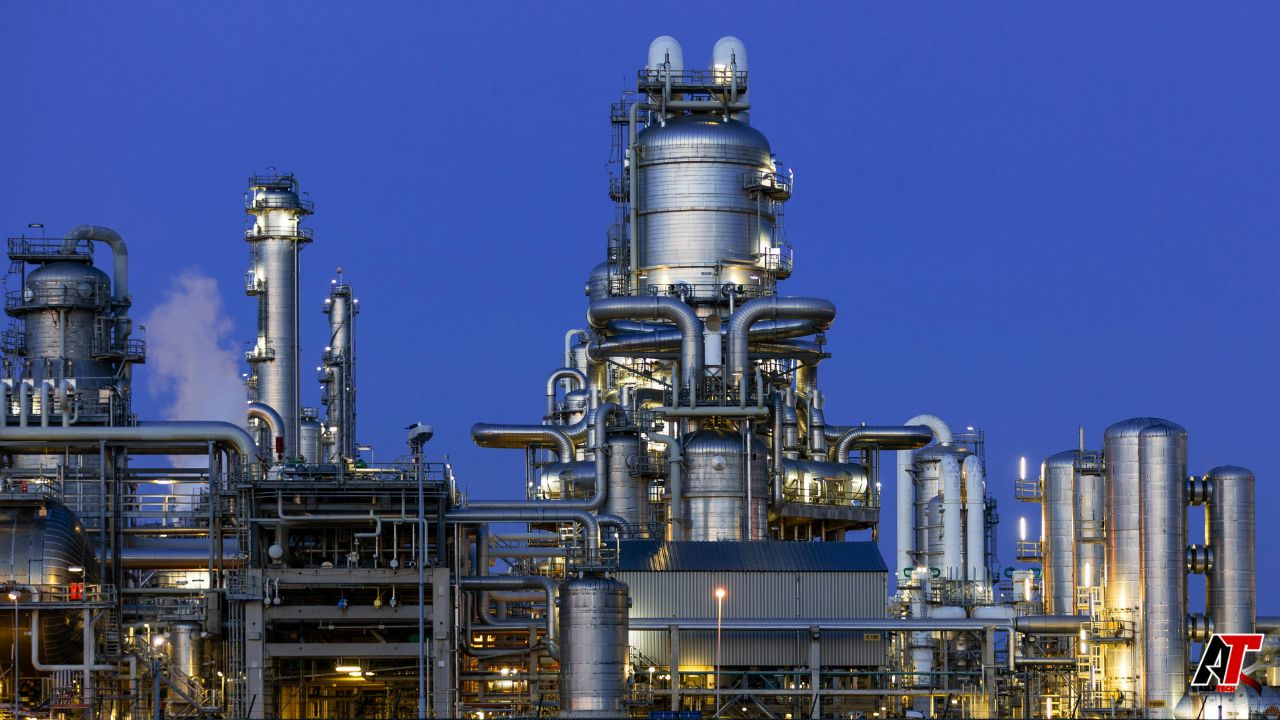
Carbon fiber manufacturing companies play a critical role in supplying lightweight, high-strength composite materials to industries such as aerospace, automotive, construction, renewable energy, and sports equipment. Carbon fiber is valued for its exceptional strength-to-weight ratio, corrosion resistance, and durability, making it a preferred material for high-performance applications.
As demand for advanced materials grows, carbon fiber manufacturers continue to innovate in production efficiency, sustainability, and customization.
What Is Carbon Fiber?
Carbon fiber is a strong, lightweight material composed of thin crystalline filaments of carbon. These fibers are woven into fabrics or combined with resin to form composite materials used in structural applications.
Key properties include:
- High tensile strength
- Low weight
- Chemical resistance
- High stiffness
- Thermal stability
These characteristics make carbon fiber ideal for demanding environments.
Industries Served by Carbon Fiber Manufacturing Companies
Aerospace Industry
Carbon fiber is widely used in:
- Aircraft fuselage components
- Wings and structural frames
- Satellite components
Its lightweight properties reduce fuel consumption and improve efficiency.
Automotive Sector
Manufacturers use carbon fiber for:
- Body panels
- Chassis components
- Performance vehicles
It enhances speed, safety, and fuel efficiency.
Renewable Energy
Wind turbine blades often incorporate carbon fiber for strength and durability.
Construction and Infrastructure
Carbon fiber reinforcement is used in:
- Structural strengthening
- Bridge repairs
- Seismic retrofitting
Sports and Recreation
Products include:
- Bicycles
- Tennis rackets
- Golf clubs
- Racing equipment
How Carbon Fiber Is Manufactured
The manufacturing process typically includes:
- Polymer precursor production (often polyacrylonitrile or PAN)
- Stabilization under heat
- Carbonization at high temperatures
- Surface treatment
- Winding or weaving into usable forms
Advanced quality control ensures consistent fiber strength and performance.
Leading Carbon Fiber Manufacturing Companies
While the market includes numerous global producers, major players often:
- Operate large-scale production facilities
- Invest in research and development
- Provide aerospace-grade certifications
- Offer custom composite solutions
These companies focus on innovation, sustainability, and expanded global supply chains.
Types of Carbon Fiber Products
Carbon fiber manufacturing companies produce various forms, including:
- Raw carbon fiber tow
- Woven carbon fiber fabric
- Prepreg materials (pre-impregnated with resin)
- Carbon fiber sheets and plates
- Custom composite components
The choice depends on project requirements.
Benefits of Working with Established Carbon Fiber Manufacturers
Quality Assurance
Reputable companies follow strict testing standards and certifications.
Custom Engineering Support
Many manufacturers offer technical consultation and design assistance.
Scalability
Large suppliers can handle high-volume production needs.
Advanced Research
Ongoing innovation improves performance and reduces production costs.
Sustainability in Carbon Fiber Manufacturing
As environmental concerns increase, manufacturers are:
- Developing recycling techniques
- Improving energy efficiency in production
- Reducing carbon emissions
- Exploring bio-based precursors
Sustainable practices are becoming a competitive advantage.
Factors to Consider When Choosing a Carbon Fiber Manufacturer
- Industry certifications (e.g., aerospace standards)
- Production capacity
- Customization capabilities
- Pricing structure
- Delivery timelines
- Technical support availability
Selecting the right partner ensures project success.
Future of Carbon Fiber Manufacturing
The carbon fiber industry is expected to expand due to:
- Growth in electric vehicles
- Increased aerospace production
- Infrastructure modernization
- Demand for lightweight materials
Technological advancements continue to reduce costs and expand applications.
FAQs
1. What industries use carbon fiber?
Aerospace, automotive, renewable energy, construction, and sports industries heavily use carbon fiber.
2. Why is carbon fiber expensive?
The manufacturing process is energy-intensive and requires advanced technology and quality control.
3. Is carbon fiber recyclable?
Yes, recycling methods are being developed to improve sustainability.
4. How strong is carbon fiber?
Carbon fiber has a very high strength-to-weight ratio, often stronger than steel by weight.
5. What forms does carbon fiber come in?
It is available as raw fiber, woven fabric, prepreg sheets, and finished composite components.
Conclusion
Carbon fiber manufacturing companies are at the forefront of advanced material innovation. By supplying lightweight, durable, and high-strength composites, they enable breakthroughs in aerospace, automotive, renewable energy, and infrastructure sectors. As sustainability and technological advancement continue to shape the industry, carbon fiber manufacturers will remain essential partners in modern engineering and high-performance design.
Leave a Reply