

Smartphones should be functional enough to suit your daily demands, not only look attractive. While gaming, streaming, working, or multitasking, the hardware and software on your phone must run smoothly and responsively. Users want quick app launches, convenient multitasking, and dependable devices. This blog discusses smartphone performance factors. CPUs and RAM, as well as cameras and charging speed, all have an impact on how a device feels and functions. Here’s a comprehensive look at the specs that matter if you’re looking for a new phone or want to know what makes a great smartphone.
What Core Hardware Features Shape Smartphone Performance?
Processor and GPU Power Explained
The CPU, also known as the SoC (System on a Chip), controls everything your phone does, from app launch to power management. When combined with a GPU (Graphics Processing Unit), it also powers gaming, video playback, and visual duties. Flagship processors provide quicker performance, smoother visuals, and superior AI processing. These CPUs can execute intensive activities without latency, keeping the phone snappy. A strong GPU improves frame rates and decreases visual stuttering when gaming or editing videos. The CPU and GPU work together to determine how well a smartphone operates while under strain. The better the chip, the more future-proof your gadget is.
RAM Capacity and Real-World Multitasking
Smartphones need RAM to operate applications, games, and services in the background. More RAM aids multitasking—app switching without reloads or slowdowns. 4GB may be fine for casual users, but 8GB or more is better for streaming, gaming, and productivity. Real-world operations like moving from email to video chats, editing images while streaming music, and utilizing social media with notes require ample RAM. It doesn’t speed up the phone, but it optimizes other parts. Higher RAM reduces app crashes and reloads for multitaskers.
Storage Type and App Performance
Storage affects more than just the number of photographs or applications you may retain; it also influences performance. UFS (Universal Flash Storage) is the standard for current smartphones, with UFS 3.1 and 4.0 providing higher read/write performance than previous generations. This means that programs load faster, data saves immediately, and system updates install faster. A phone with high-speed storage not only seems quicker, but it actually is faster. For example, more storage makes it easier to install huge games and access high-resolution media. Devices with slower eMMC storage tend to lag under heavy load. Even background processes such as file indexing and cloud data synchronization benefit from rapid internal storage speeds. It’s an often-overlooked aspect that may considerably improve overall performance.
How Do Cameras, Displays, and Software Impact User Experience?
Camera Systems and Computational Photography
Smartphone cameras use sophisticated software and technology to take stunning photographs. Multi-lens systems—wide, ultra-wide, telephoto—provide versatility, while high megapixel counts increase detail. But computational photography distinguishes exceptional phones. AI-powered picture processing improves sharpness, lighting, and color immediately after shooting. Night mode, HDR, and portrait effects employ algorithms to mimic DSLRs. Even mid-range phones include object removal and scene recognition options. A superb camera system uses good lenses and smart software to take beautiful images in any light or ability level.
Display Quality, Refresh Rates, and Touch Response
The screen determines your experience, whether you’re watching movies, reading, or playing games. High-resolution AMOLED or OLED displays produce clear, bright images with deep blacks. The refresh rate has a significant impact: 90Hz or 120Hz panels seem smoother while scrolling or gaming than 60Hz. Gamers benefit most from high refresh rates combined with minimal touch latency, which enhances response time. Brightness and color accuracy have an impact on outdoor reading and visual clarity. Features such as HDR support improve media playback by providing more realistic contrast. A good display minimizes eye strain, improves engagement, and promotes productivity. Touch responsiveness, measured in milliseconds, provides quick, precise feedback—essential for typing or gaming. Together, these components define visual quality and interaction.
OS Optimization and Update Support
Software optimization ensures your smartphone hardware performs at its best. A well-optimized OS, like Huawei’s EMUI, combined with the Huawei app gallery, uses resources efficiently, reducing lag and battery drain. Manufacturers who give regular updates ensure that gadgets remain safe, compatible, and quick over time. Huawei differentiates itself by providing constant software changes and feature rollouts across its ecosystem. OS-level innovations such as power management, gesture navigation, and background process control all have an impact on daily use. Even the most powerful hardware can be slowed down by a fat or poorly maintained operating system. The user experience is strongly reliant on the software’s capacity to remain clean, reliable, and current. Regular upgrades increase a device’s life and ensure seamless functioning.
Turn your ordinary image into an exciting superhero-inspired creation with photo to superhero tools. Transform everyday photos with bold costumes, dynamic effects, heroic backgrounds, and powerful visual styles. Whether you want to create a comic-style character, futuristic hero, or cinematic transformation, these tools make the process simple and creative. With just a photo, you can explore imaginative designs, experiment with different superhero themes, and create a unique visual that stands out on social media, blogs, or personal projects. Photo to superhero technology brings creativity to life while giving your images a dramatic and memorable new look.
Why Battery Life and Charging Speed Matter Most?
Battery Capacity and Power Efficiency
Battery capacity is important, but so is how effectively the phone utilizes it. A 5000mAh battery in a well-optimized gadget will last longer than a 6000mAh battery in a power-hungry one. The power efficiency of a CPU is determined by its design, display technology, and software. Phones with variable refresh rates and power-saving settings increase battery life even more. Users demand phones that can last all day with intensive use—streaming, browsing, calling, and GPS. Efficient background app management also lowers battery consumption. A solid battery configuration allows consumers to spend less time near chargers and more time using their devices freely. Real-world endurance is defined by a balance of battery capacity and efficient power management.
Fast Charging and Wireless C#harging Performance
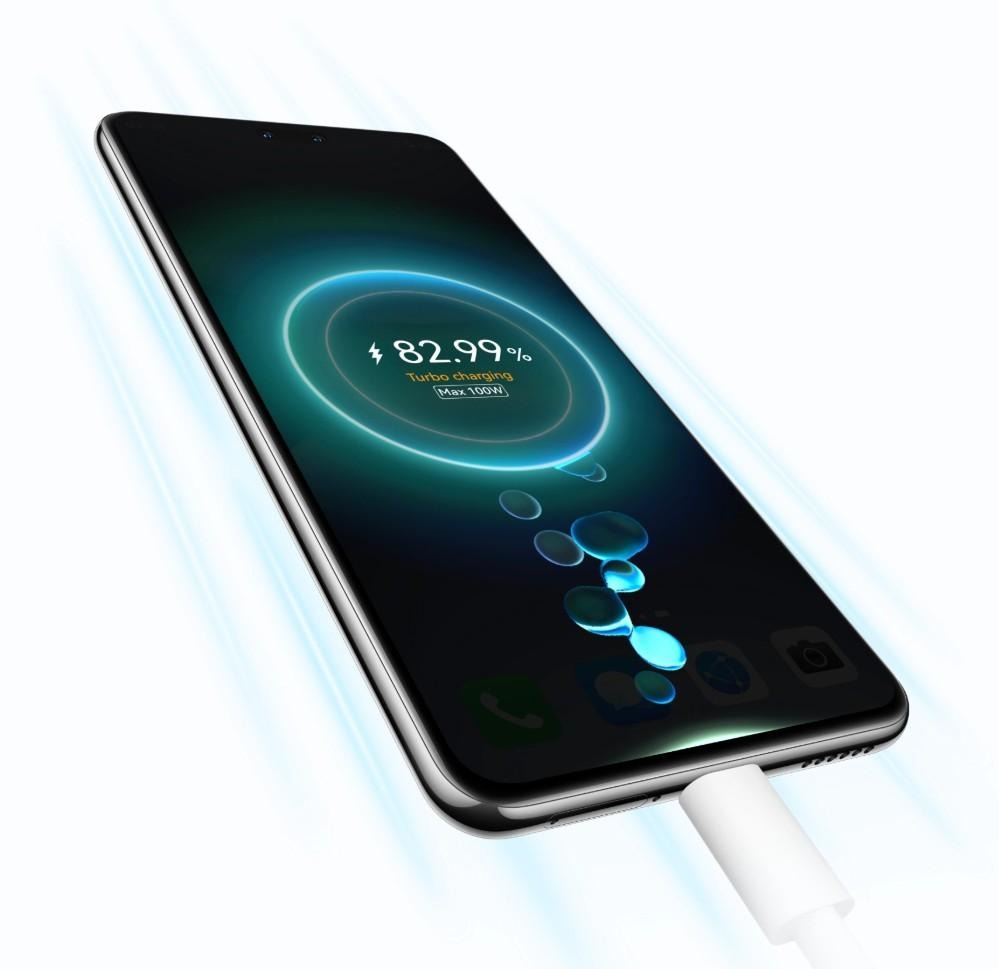
Charging speed has been an important feature for busy consumers. Fast cable charging—up to 65W or even 120W—can recharge phones to 100% in under 30 minutes. This reduces downtime and maintains user productivity. Wireless charging is more convenient, especially with MagSafe or Qi-compatible pads, as it allows users to charge without having to fumble with cords. Some flagships include reverse wireless charging, which allows users to charge accessories such as headphones while on the road. Fast charging is safer thanks to battery health management features, which reduce overheating and improve long-term performance. Having both quick and flexible charging options allows customers more freedom. Whether they are traveling, commuting, or working remotely, the ability to swiftly recharge is quite valuable.
Conclusion
Smartphone performance is a product of hardware and software integration. A strong processor, RAM, storage, and GPU serve as the foundation. Quality display, camera intelligence, and software support all enhance the experience. Advanced connectivity keeps users connected, while battery life and recharge speed provide dependability. These characteristics influence how a phone feels and functions. Knowing what makes a great smartphone allows both power users and casual browsers to make more informed purchases. Choose devices that offer speed, efficiency, and durability. Great performance should be imperceptible—everything works when needed.
Leave a Reply