
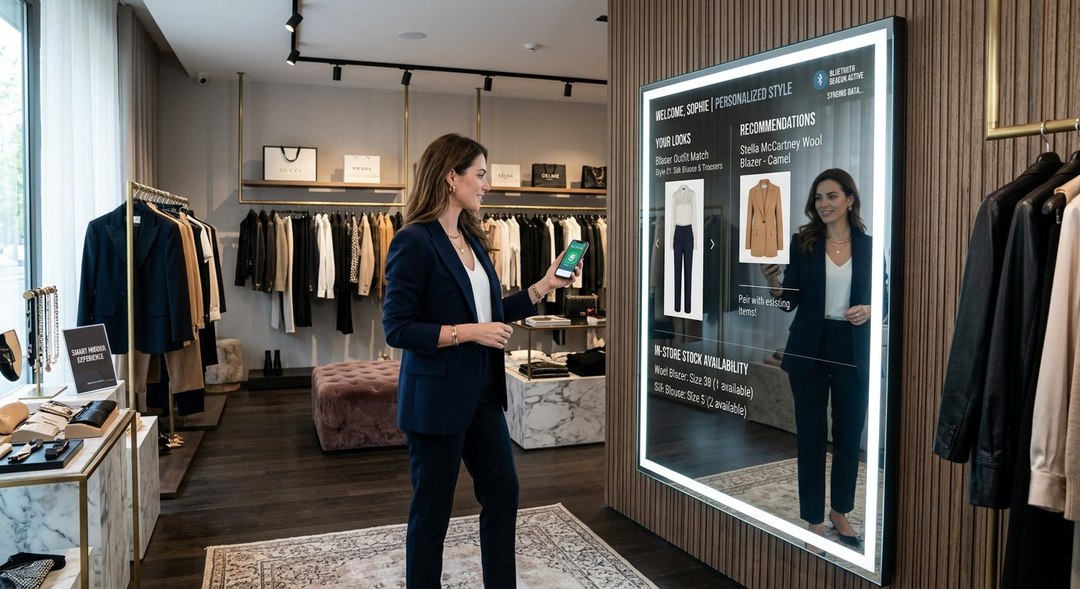
Your smartphone may understand more about your shopping preferences than you realize. Every product search, shopping app interaction, location permission, advertisement click, and purchase can contribute to a digital picture of your interests. For specialist retailers, this creates opportunities to offer relevant recommendations, but it also raises important questions about consumer privacy, transparency, and how much influence algorithms should have over purchasing decisions.
Modern shopping technology increasingly relies on artificial intelligence, behavioral analytics, and personalized recommendations. These systems can make product discovery easier, yet they may also shape which brands, prices, and alternatives consumers encounter. Understanding how this technology works is essential for shoppers who want greater control and for specialist retailers seeking to build trustworthy relationships without relying on intrusive data practices.
How Smartphones Became Powerful Shopping Influencers
Smartphones have evolved from communication devices into everyday shopping companions. Consumers use them to compare prices, research products, read reviews, locate stores, and complete purchases.
These activities can generate information that businesses use to understand shopping behavior. However, the information available to specialist retailers depends on the applications, permissions, platforms, and data-sharing arrangements involved.
A retailer does not automatically gain access to everything a person does on their phone. Nevertheless, connected advertising and analytics services can create detailed profiles when data is collected and combined across permitted sources.
Every Digital Interaction Can Create a Signal
Opening a product page, saving an item, or searching for a particular category can indicate possible interest. Recommendation systems may use these signals to decide which products to display.
For specialist retailers, such information can help identify relevant product categories. However, browsing activity does not always reveal genuine purchasing intentions.
Shopping Intent Is Not Always Obvious
Someone researching expensive cameras may be comparing professional equipment, shopping for a gift, or simply exploring a hobby. Algorithms may struggle to distinguish these motivations.
Specialist retailers should avoid assuming that every digital interaction represents a confirmed customer need. Human context remains important when interpreting shopping behavior.
Why Specialist Retailers Are Paying Attention to AI
Artificial intelligence is increasingly used to analyze product information and customer interactions. Recommendation engines can identify patterns that help businesses present potentially relevant products.
Specialist retailers may benefit from these capabilities because their products often involve technical specifications, specialized interests, or complicated purchasing decisions. However, AI recommendations should support informed choices rather than replace accurate product guidance.
A customer purchasing professional audio equipment, for example, may need help understanding compatibility and intended use. A recommendation based only on browsing history could overlook these requirements.
Personalized Product Discovery
Recommendation systems can suggest products based on declared preferences, previous purchases, or current browsing activity. This may help shoppers navigate extensive product collections.
Specialist retailers should explain personalization practices where required and provide appropriate privacy choices. Relevant recommendations do not justify unrestricted information collection.
Better Product Organization
AI can also help classify products, improve search results, and identify relationships between technical specifications. These applications may provide value without requiring extensive personal profiling.
For specialist retailers, better product information can be more useful than attempting to predict every customer’s preferences. Accurate specifications help people evaluate products independently.
The Difference Between Helpful Personalization and Intrusive Tracking
Personalization can improve shopping when it responds to information customers intentionally provide. Problems arise when people do not understand what information is collected or how it influences their experience.
Specialist retailers need to distinguish convenient recommendations from practices that undermine customer trust. The appropriate balance depends on transparency, lawful data processing, and meaningful consumer choice.
A recommendation based on a selected product category is different from one involving extensive behavioral profiling. Both may appear similar on screen, but their privacy implications can differ substantially.
Personalization Based on Customer Choices
A shopper who selects a preferred clothing size or product category is providing information for a clear purpose. Using that information to filter products can be straightforward and useful.
Specialist retailers can offer these features without necessarily building detailed behavioral profiles. Customers should understand how their preferences are stored and used.
Personalization Based on Behavioral Data
Behavioral systems may analyze browsing sequences, engagement patterns, purchase histories, and other information. Their predictions can influence product ranking and advertising.
Specialist retailers should evaluate whether this additional data is genuinely necessary. Collecting more information does not automatically produce better customer experiences.
How Shopping Algorithms Predict Consumer Preferences
Recommendation algorithms identify patterns within available data. They may compare products, evaluate previous interactions, or estimate which items are likely to interest particular users.
These systems do not literally understand a person’s thoughts. Specialist retailers should avoid describing algorithmic predictions as proof that technology knows what someone truly wants.
Predictions can be useful, but they remain statistical estimates. Their accuracy depends on data quality, model design, and the context of the shopping activity.
Collaborative Filtering
Collaborative filtering uses patterns across users or products to generate recommendations. For example, customers with similar purchasing histories may receive overlapping suggestions.
Specialist retailers can use this approach when appropriate data is available. However, similar past purchases do not establish identical future needs.
Content-Based Recommendations
Content-based systems recommend products with characteristics similar to those a person has previously viewed or selected. These characteristics may include specifications, categories, or descriptive features.
This method can be particularly relevant for specialist retailers offering technical products. Recommendations should still consider compatibility and intended use.
Contextual Recommendations
Contextual systems use information about the current shopping session or explicitly selected requirements. They may recommend products based on the item being viewed rather than a long-term personal profile.
Specialist retailers can use contextual recommendations to reduce unnecessary data collection. This approach may also provide customers with clearer explanations.
Why Your Phone Sometimes Seems to Read Your Mind
People occasionally notice advertisements appearing soon after discussing or thinking about a product. This experience can create the impression that smartphones possess extraordinary awareness of personal intentions.
In reality, several explanations are possible. Specialist retailers should understand these mechanisms rather than reinforcing unsupported claims about universal smartphone surveillance.
Previous searches, shared interests, advertising patterns, and selective attention can all influence what people notice. An advertisement may feel unusually relevant because the person is already thinking about the subject.
Behavioral Predictions Can Feel Personal
Advertising systems may identify patterns associated with particular interests or purchasing stages. A person researching home renovations might consequently encounter related product advertisements.
Specialist retailers using digital advertising should recognize that relevance can sometimes feel uncomfortable. Customers may not understand why a particular advertisement appeared.
Confirmation Bias Influences Perception
People are more likely to remember advertisements that match their current interests than unrelated advertisements. This can make ordinary targeting appear surprisingly precise.
The impression of prediction does not establish exactly how the advertisement was selected. Consumers should look for available advertising explanations and privacy controls.
Microphone Access Is a Separate Question
Smartphone applications may request microphone permissions for legitimate features. However, a relevant advertisement is not evidence that a particular company secretly recorded a conversation.
Specialist retailers should avoid spreading unsupported claims about widespread microphone listening. Consumers can review app permissions and investigate specific concerns using reliable evidence.
Consumer Privacy Is Becoming a Retail Trust Issue
Privacy is increasingly relevant to how consumers evaluate digital services. A convenient shopping experience can become less appealing when people feel they have lost control over personal information.
Specialist retailers often depend on repeat customers and long-term relationships. Trust can therefore be an important part of their business model.
A clear explanation of data practices may help customers make informed decisions. However, privacy policies should describe actual practices rather than offer vague promises.
Customers Want Understandable Information
Long privacy notices can be difficult to interpret. Consumers benefit when businesses explain important practices in accessible language.
Specialist retailers should identify what data is collected, why it is needed, and whether it is shared with other organizations. Applicable law may require additional disclosures.
Trust Requires Consistent Behavior
A privacy statement has limited value when the underlying practices contradict it. Businesses should ensure that their systems operate according to published policies.
For specialist retailers, responsible data handling should be part of ordinary operations. It should not be treated only as a marketing message.
The Role of Data Brokers in Digital Advertising
Data brokers collect, organize, or provide information for various commercial purposes. Their activities and legal obligations vary across jurisdictions.
Some advertising ecosystems involve information obtained through multiple organizations. Specialist retailers should understand the sources and limitations of any audience data they purchase or use.
A retailer may not know everything about an individual shopper, even when advertising tools provide detailed audience categories. These categories can be probabilistic and sometimes inaccurate.
Audience Segments Are Not Perfect Descriptions
Advertising platforms may classify people according to inferred interests or demographic characteristics. These classifications can influence which campaigns reach particular users.
Specialist retailers should not assume these segments represent verified personal facts. Inaccurate classifications can lead to irrelevant or inappropriate advertising.
Third-Party Data Creates Additional Responsibilities
Using external data does not automatically transfer every privacy obligation to the supplier. Responsibilities depend on the parties’ legal roles and contractual arrangements.
Specialist retailers should evaluate data sources and processing purposes carefully. Appropriate legal and technical advice may be necessary.
Why Specialist Retailers Have an Advantage Over Algorithms
Large shopping platforms often emphasize scale, convenience, and automated recommendations. Smaller or specialized businesses may compete through product knowledge and personal service.
Specialist retailers can help customers understand products that require more than a simple popularity ranking. This is particularly relevant when purchases involve compatibility, technical expertise, or long-term maintenance.
A knowledgeable employee may identify a customer’s actual requirement through conversation. An algorithm working with incomplete information may miss the same detail.
Human Expertise Provides Context
A customer choosing specialist cycling equipment may need advice about fit, safety, and intended use. Previous purchases alone cannot establish all these requirements.
Specialist retailers can ask relevant questions and explain tradeoffs. This supports informed purchasing rather than simply promoting products associated with similar users.
Product Knowledge Builds Confidence
Detailed explanations can help customers understand differences between products. Accurate information may also reduce unsuitable purchases.
For specialist retailers, educational content can be a valuable alternative to aggressive personalization. Buyers can make decisions based on evidence and their own priorities.
Artificial Intelligence Should Support Retail Expertise
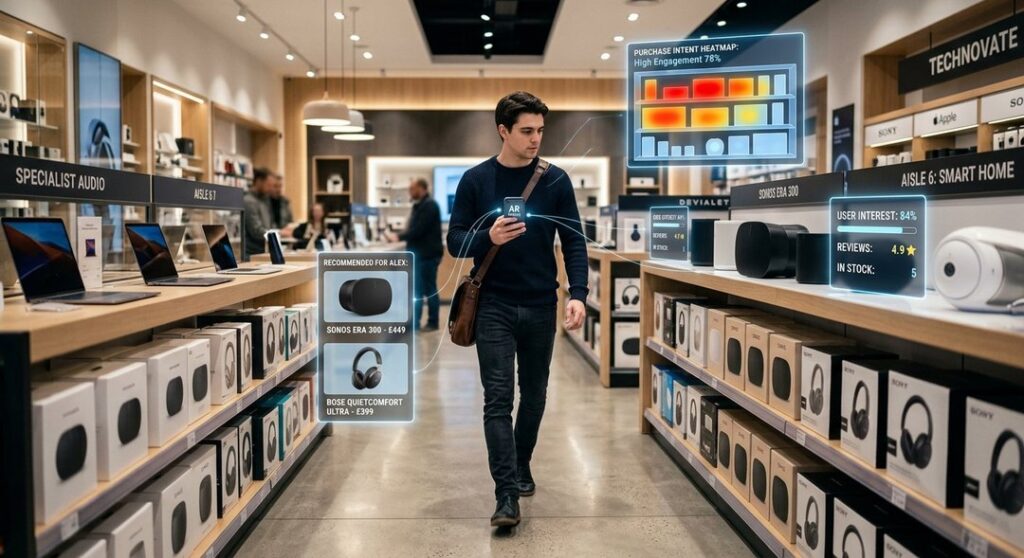
AI tools can assist employees with product information, inventory searches, and customer support. These functions may reduce administrative work and improve access to relevant details.
Specialist retailers should nevertheless verify the accuracy of AI-generated information. Language models and recommendation systems can produce incorrect or outdated statements.
Human review is particularly important when advice involves safety, technical compatibility, or regulated products. Automation should not create unsupported guarantees.
AI-Assisted Product Search
A search tool may help customers find products matching several technical requirements. It can organize information more efficiently than basic keyword matching.
Specialist retailers should ensure product specifications remain accurate. Search convenience does not compensate for incorrect data.
Customer Support Automation
Automated chat systems can answer routine questions about opening hours, order status, or product availability. More complex issues may require a human employee.
Specialist retailers should provide appropriate escalation options. Customers should not be trapped in automated conversations when their problem remains unresolved.
The Problem With Recommendation Feedback Loops
Recommendation systems often learn from previous user interactions. This can create a feedback loop in which people repeatedly encounter similar products.
For specialist retailers, such systems may unintentionally narrow the range of options presented to shoppers. A customer interested in one brand could miss suitable alternatives.
Personalization should not prevent meaningful comparison. Product discovery benefits from both relevance and variety.
Repeated Exposure Can Shape Preferences
Seeing the same category or brand repeatedly may increase familiarity. However, familiarity is not equivalent to objective product quality.
Specialist retailers should avoid ranking products solely according to engagement history. Accurate comparisons and customer requirements should remain important.
Discoverability Matters
New or less popular products may receive limited visibility when algorithms heavily favor established sellers. This can disadvantage emerging manufacturers.
Specialist retailers can create opportunities for discovery through thoughtful curation. Independent recommendations may reveal products that automated systems overlook.
Are Personalized Prices a Concern?
Businesses may use different pricing strategies based on promotions, geography, demand, or other factors. Some digital systems also support individualized offers.
However, not every personalized recommendation involves personalized pricing. Specialist retailers should distinguish product ranking from price-setting practices.
Where personalized pricing is used, transparency and applicable consumer protection requirements matter. Customers should not be misled about how offers are determined.
Dynamic Pricing Versus Personalized Pricing
Dynamic pricing changes prices according to factors such as demand or inventory conditions. Personalized pricing involves differences associated with particular users or user characteristics.
These approaches are not identical. Specialist retailers should understand the legal and reputational implications of any pricing system they adopt.
Clear Pricing Supports Informed Decisions
Customers benefit when prices, discounts, and conditions are understandable. Hidden fees or misleading comparisons can undermine trust.
Specialist retailers should prioritize accurate price information. Promotional technology should not make basic purchasing terms difficult to evaluate.
Dark Patterns in Online Shopping
Dark patterns are interface designs that manipulate or pressure users toward particular actions. They may involve confusing choices, misleading urgency, or unnecessarily difficult cancellation processes.
Specialist retailers should avoid design practices that undermine informed consent or purchasing decisions. Some techniques may also violate applicable consumer protection or privacy rules.
A well-designed shopping experience makes important choices understandable. It should not rely on confusion to increase conversions.
False Urgency
Claims that an offer is about to expire can pressure shoppers to act quickly. Genuine limited-time promotions are different from fabricated deadlines.
Specialist retailers should ensure urgency claims reflect actual conditions. Misleading scarcity can damage customer confidence.
Difficult Privacy Choices
Privacy interfaces may make accepting tracking easier than rejecting it. Whether a particular design is lawful depends on applicable rules.
Specialist retailers should provide meaningful choices where consent is required. Users should not need to navigate unnecessary obstacles to exercise their rights.
How Mobile Shopping Apps Collect Information
Shopping applications may process account details, purchase records, device information, and user interactions. Some also request permissions relating to location, cameras, or notifications.
The information collected varies by application. Specialist retailers should only request access that serves a legitimate and clearly explained purpose.
Permission to use a device feature does not necessarily justify unrelated information processing. Consumers should review both application settings and privacy notices.
Location Information
Location can help identify nearby stores or relevant delivery options. However, precise tracking may not be necessary for every shopping function.
Specialist retailers can offer location searches that allow users to enter an area manually. This may provide convenience without continuous location access.
Notification Permissions
Notifications can communicate order updates or selected promotions. Excessive messaging may create frustration rather than value.
Specialist retailers should respect user preferences and provide suitable controls. Transactional messages and marketing communications may involve different legal requirements.
Purchase Histories
Retailers commonly retain transaction records for accounting, service, and other legitimate purposes. Such information may also inform recommendations where permitted.
Specialist retailers should apply appropriate retention and access policies. Historical purchases should not automatically become unrestricted marketing data.
Why First-Party Data Matters for Specialist Retailers
First-party data generally refers to information collected directly through a business’s own interactions with customers. It can include account information, purchase records, and submitted preferences.
Specialist retailers may use relevant first-party information to improve service. However, collecting data directly does not remove privacy or security obligations.
The purpose and legal basis of processing remain important. Customers should understand how their information is used.
Voluntary Preferences Can Be Useful
A customer may choose to save preferred product sizes, technical specifications, or delivery details. These preferences can simplify later purchases.
Specialist retailers should allow appropriate review and correction of saved information. Incorrect preferences can create unsuitable recommendations.
Avoid Collecting Data Without Purpose
More information creates additional storage, security, and governance responsibilities. Unnecessary collection may increase exposure without improving service.
Specialist retailers should periodically review their data practices. Information that no longer serves a legitimate purpose may require deletion or another appropriate action.
Privacy Laws and Retail Personalization
Privacy rules vary internationally, but many jurisdictions regulate the collection and use of personal information. Businesses must evaluate the laws that apply to their operations.
Specialist retailers serving UK customers may have responsibilities under the UK GDPR, Data Protection Act 2018, and relevant electronic marketing rules.
The exact requirements depend on the processing activity and business circumstances. Professional legal advice may be appropriate for complicated advertising arrangements.
Lawful Data Processing
Organizations need an appropriate lawful basis for processing personal data under UK GDPR requirements. Consent is one possible basis but is not required for every processing activity.
Specialist retailers should assess each purpose rather than assuming one legal basis covers all data use. Documentation can support accountability.
Cookies and Tracking Technologies
Certain non-essential cookies and similar technologies may require consent under applicable UK rules. Essential technologies can be treated differently.
Specialist retailers should ensure that consent mechanisms reflect actual technical practices. A banner alone does not establish compliance.
Consumer Rights
Individuals may have rights relating to access, correction, deletion, objection, and other data protection matters, subject to applicable conditions.
Specialist retailers should provide suitable processes for handling legitimate requests. Responses should follow relevant legal requirements.
What Consumers Can Do to Reduce Shopping Surveillance

Consumers can take practical steps to understand and manage some forms of digital tracking. These measures may reduce unnecessary exposure, although they cannot guarantee complete anonymity.
People should review device settings, application permissions, advertising preferences, and account privacy controls. The available options depend on the platform and jurisdiction.
Specialist retailers can support these efforts by explaining privacy choices clearly. Consumer control should not require advanced technical knowledge.
Review App Permissions
Check whether shopping applications can access location, camera, microphone, or other device features. Disable permissions that are unnecessary for intended use.
Some services may require particular permissions for optional features. Users can decide whether those features justify access.
Adjust Advertising Preferences
Major advertising platforms provide selected controls relating to personalized advertising. These settings may influence how advertisements are selected.
However, changing ad preferences does not necessarily stop every form of data collection. Consumers should review available explanations carefully.
Use Privacy-Conscious Browsing
Browser settings and privacy tools can restrict certain tracking technologies. Their effectiveness varies according to configuration and website behavior.
Some tools may also affect website functionality. Users should select settings that match their privacy priorities.
Why Shopping Privacy Is More Than a Technical Problem
Privacy involves control, expectations, and trust, not merely encryption or device settings. Consumers may reasonably want to shop without every interaction being used to infer personal characteristics.
Specialist retailers should recognize that different customers have different privacy preferences. A person may welcome relevant recommendations while rejecting extensive behavioral profiling.
Providing meaningful choices can help respect these differences. One default personalization strategy may not suit everyone.
Convenience and Privacy Can Coexist
Useful shopping features do not always require detailed tracking. Product filters, saved lists, and contextual recommendations can provide value through limited information.
Specialist retailers can design services around these simpler approaches. Responsible personalization should begin with the minimum data necessary.
Customer Relationships Need Boundaries
A trusted retailer may know a customer’s preferences through repeated conversations. That relationship does not automatically authorize unlimited digital monitoring.
Specialist retailers should respect the difference between helpful familiarity and intrusive observation. Clear boundaries support long-term confidence.
How Specialist Retailers Can Compete With Large Marketplaces
Large online marketplaces often provide extensive inventories and automated recommendations. Competing only through scale can be difficult for smaller businesses.
Specialist retailers can distinguish themselves through product expertise, careful selection, after-sales support, and trustworthy communication.
These strengths can remain valuable even as AI technology becomes more widespread. Customers sometimes need explanations that automated rankings cannot provide.
Offer Better Buying Guidance
Detailed product comparisons can help shoppers understand important differences. This is particularly useful when purchases involve specialized equipment.
Specialist retailers can explain compatibility, maintenance, and intended use. Accurate guidance may reduce unsuitable purchases.
Maintain Product Quality Standards
A carefully selected product range can reduce the effort required to compare numerous alternatives. However, curation should be based on clear criteria.
Specialist retailers should avoid implying that every stocked product is objectively superior. Transparent selection principles support credibility.
Provide Useful After-Sales Support
Customers may need help with installation, returns, repairs, or product maintenance. Reliable support can influence long-term satisfaction.
Specialist retailers should explain service terms before purchase. Good support is more valuable when responsibilities are clearly defined.
Human Recommendations Versus Algorithmic Suggestions

Human advisers and recommendation systems offer different strengths. Algorithms can analyze large datasets quickly, while knowledgeable people can ask questions and interpret complex circumstances.
Specialist retailers can combine both approaches where appropriate. The strongest strategy may involve using technology for information retrieval and people for nuanced advice.
Neither humans nor algorithms are infallible. Recommendations should remain open to correction and supported by accurate information.
Understanding the Customer’s Actual Goal
A customer shopping for hiking equipment may prioritize comfort, weight, weather protection, or price. Browsing history may reveal only part of that goal.
Specialist retailers can ask questions that clarify the intended use. This can prevent recommendations based on superficial similarities.
Explaining Tradeoffs
Products frequently involve compromises between price, durability, performance, and convenience. Automated recommendations may not communicate these clearly.
Specialist retailers can explain why one option suits a particular requirement. Customers can then make their own decisions.
The Role of Trustworthy Reviews
Online reviews influence purchasing decisions by providing information about other customers’ experiences. However, reviews can be misleading, manipulated, or unrepresentative.
Specialist retailers should use review systems responsibly and avoid presenting selected comments as objective proof of quality.
Customers benefit from balanced information that includes limitations. A product with strong reviews may still be unsuitable for a particular purpose.
Authentic Customer Feedback
Genuine reviews can reveal recurring strengths and weaknesses. Their value depends partly on whether they reflect actual product experiences.
Specialist retailers should avoid fabricating feedback or misleadingly editing reviews. Applicable consumer protection rules may also regulate review practices.
Expert Product Assessments
Independent testing and knowledgeable evaluations can provide technical context. Their reliability depends on methodology and potential conflicts of interest.
Specialist retailers should distinguish manufacturer claims from independently verified results. Clear sourcing supports informed choices.
AI-Powered Search Is Changing Retail Discovery
Consumers increasingly use conversational AI and search tools to research products. These systems can summarize information and compare available options.
Specialist retailers may need to make product information easier for search technologies and people to understand. Accurate descriptions and accessible specifications become especially valuable.
However, AI-generated summaries can contain errors. Customers should verify important claims through reliable product documentation.
Clear Product Information Matters
Detailed specifications help shoppers compare products and assess compatibility. Ambiguous descriptions can lead to confusion.
Specialist retailers should maintain accurate product pages with relevant measurements, features, and limitations. This improves usability regardless of search technology.
Authority Comes From Expertise
Useful educational content can demonstrate genuine knowledge of a product category. Unsupported marketing claims provide less value.
Specialist retailers can explain common mistakes, technical requirements, and practical buying considerations. Content should prioritize accuracy over keyword repetition.
The Future of Personalized Shopping
Personalization technology will continue evolving as recommendation models and digital commerce tools improve. However, greater technical capability does not automatically justify greater information collection.
Specialist retailers should evaluate future tools according to customer benefit, privacy impact, and operational suitability.
Responsible businesses can use technology without making surveillance central to the shopping experience. Clear explanations and meaningful choices remain important.
More Contextual Recommendations
Recommendation systems may increasingly use current shopping needs rather than extensive historical profiles. This can provide relevant suggestions with less personal information.
Specialist retailers can explore contextual methods when they meet business requirements. Performance should be evaluated rather than assumed.
Greater Demand for Transparency
Consumers may increasingly expect explanations about personalized recommendations and advertising. Regulatory requirements can also influence these expectations.
Specialist retailers should prepare clear communication practices. Transparency needs to reflect the actual system rather than simplified marketing claims.
Building a Privacy-Respecting Retail Strategy
A responsible retail strategy begins by identifying what information is genuinely necessary. Businesses should then establish suitable collection, retention, security, and access practices.
Specialist retailers can use this approach to support customer service without creating unnecessary privacy risks.
The objective is not to eliminate useful personalization. It is to ensure that technology supports informed shopping decisions rather than manipulating them.
Start With Data Minimization
Collect information that serves a defined purpose and avoid unnecessary duplication. Review whether existing data remains needed.
Specialist retailers should also consider how data moves between service providers. Third-party integrations can create additional exposure.
Provide Clear Choices
Customers should understand available privacy and personalization settings. Choices should be straightforward where required by law.
Specialist retailers can make basic shopping functions accessible without forcing unnecessary tracking consent.
Measure Customer Experience Responsibly
Businesses need information about website performance and customer satisfaction. However, not every measurement requires identifying individual shoppers.
Specialist retailers can consider aggregated or privacy-preserving analytics where suitable. Metrics should support legitimate business decisions.
Why Specialist Retailers Should Prioritize Trust Over Prediction

Predictive technology can estimate what customers might purchase, but it cannot establish every personal preference or intention. Retail relationships involve more than statistical likelihood.
Specialist retailers can create value by helping customers understand choices rather than constantly attempting to anticipate them.
A customer who receives honest advice may decide not to purchase immediately. That outcome can still support a trustworthy business relationship.
Respecting the Decision Not to Buy
Recommendation systems often optimize for measurable engagement or conversion objectives. These goals may not capture every aspect of customer satisfaction.
Specialist retailers should recognize that informed decisions sometimes involve delaying or avoiding a purchase. Responsible guidance should respect that outcome.
Long-Term Relationships Require Credibility
Trust develops through consistent information, reliable service, and responsible behavior. It cannot be created solely through personalized advertisements.
Specialist retailers should maintain accurate claims and practical customer support. These principles remain relevant regardless of technological change.
Common Mistakes Retailers Make With AI Personalization
Businesses can misuse recommendation technology when they prioritize data volume or short-term engagement over customer needs. This may create privacy concerns and irrelevant recommendations.
Specialist retailers should recognize several common mistakes before introducing advanced personalization.
Collecting Excessive Personal Data
Information that is not needed for a legitimate purpose creates additional responsibilities. It may also increase the impact of a security incident.
Businesses should justify collection rather than treating all available data as automatically valuable.
Trusting Predictions Without Review
Algorithmic recommendations can reflect incomplete data or incorrect assumptions. They may also overlook product compatibility.
Specialist retailers should test recommendations against real customer needs. Human oversight is especially important for complex products.
Hiding Personalization Practices
Customers may feel uncomfortable when recommendations appear based on information they did not realize was collected.
Clear disclosures can reduce confusion. Specialist retailers should avoid misleading explanations about data sources.
Ignoring Customer Feedback
A recommendation system may continue presenting unwanted products when users cannot correct their preferences.
Providing feedback controls can improve relevance. Customers should be able to influence their shopping experience.
How Consumers Can Shop More Independently
Algorithms influence product discovery, but shoppers can still take steps to compare alternatives and evaluate recommendations critically.
Independent research may involve checking specifications, reading varied sources, and considering whether suggested products genuinely meet personal needs.
Specialist retailers can support this process through clear information and knowledgeable assistance. The goal should be informed purchasing rather than automatic acceptance of recommendations.
Compare Several Sources
A single recommendation platform may not present every suitable product. Different retailers and independent reviewers can provide additional perspectives.
Consumers should verify important technical or safety claims. Popularity does not automatically establish product suitability.
Question Recommendation Labels
Terms such as recommended, popular, and best match can refer to different ranking systems. Some placements may also involve paid promotion.
Look for explanations when available. Specialist retailers should distinguish advertising from independent recommendations.
Define Your Own Requirements
Before shopping, identify the features, budget, and practical requirements that matter most. This can reduce the influence of irrelevant suggestions.
A clear list helps shoppers compare products independently. Specialist retailers can provide useful assistance when requirements are complicated.
The Real Question Is Who Controls the Shopping Experience
Smartphones and recommendation algorithms can make product discovery convenient. They can also influence which choices receive attention and which alternatives remain unseen.
The important issue is not whether technology should disappear from shopping. It is whether customers understand its influence and retain meaningful control.
Specialist retailers have an opportunity to demonstrate that digital convenience and consumer respect can coexist. Businesses do not need to know everything about someone to provide useful service.
FAQ’s
How do specialist retailers use AI to understand customers?
Specialist retailers may use AI to analyze permitted browsing information, purchase patterns, product preferences, and search behavior. The available data depends on their systems and privacy arrangements.
Can smartphones predict what customers want to buy?
Recommendation systems can estimate potential interests using available information, but they cannot read thoughts or guarantee accurate predictions. Their suggestions are based on patterns and assumptions.
Are specialist retailers safer for consumer privacy?
Not automatically. Privacy practices vary between businesses, so customers should review data policies, permissions, and available controls rather than relying on retailer size.
Why do shopping advertisements sometimes feel unusually accurate?
Advertising systems may use previous interactions, inferred interests, and contextual information. Selective attention can also make relevant advertisements feel more surprising than unrelated ones.
How can specialist retailers build trust with customers?
They can provide accurate product guidance, transparent pricing, responsible data practices, clear privacy choices, and reliable customer service. Consistency is essential.
How can consumers reduce personalized shopping tracking?
Consumers can review app permissions, adjust advertising preferences, limit unnecessary data sharing, and use suitable browser privacy controls. These measures reduce some tracking but do not guarantee anonymity.
Conclusion
Specialist retailers operate in a shopping environment increasingly shaped by smartphones, artificial intelligence, and behavioral recommendations. These technologies can improve product discovery and convenience, but they also raise questions about transparency, privacy, and the influence of automated systems on purchasing decisions. Understanding how recommendations are generated helps consumers distinguish useful assistance from potentially intrusive personalization.
The future of retail should not depend on predicting every customer action or collecting the greatest possible amount of information. Specialist retailers can build stronger relationships through genuine expertise, accurate product guidance, responsible data handling, and meaningful consumer choice. By combining useful technology with human understanding and transparent practices, businesses can create shopping experiences that respect customers instead of treating every digital interaction as an opportunity for surveillance.
Leave a Reply