

The clock is ticking. You need a video ad for social media, and you need it yesterday. A few years ago, this meant scrambling for a camera, finding a location, praying for good lighting, and spending hours in editing software. Today, it means opening a browser tab and typing a few sentences.
Welcome to the era of instant video creation. With AI tools now capable of generating professional-grade footage from text prompts, the barrier to entry for video advertising has effectively vanished. Whether you’re a small business owner, a social media manager, or a marketer racing against a deadline, creating a compelling video ad in under ten minutes is not just possible—it’s becoming the new standard.
Why AI Video Ads Now?
The landscape shifted dramatically in late 2025. With the release of models like OpenAI’s Sora 2 and Google’s Veo 3.1, AI video generation matured from experimental novelty to production-ready tool . These platforms now understand physics, maintain character consistency, and even generate synchronized audio . For advertisers, this means the gap between concept and execution has never been narrower.
But you don’t need to be a Hollywood director or a tech wizard to tap into this power. The tools have been designed for everyday creators, with intuitive interfaces and templates that do the heavy lifting. The key is knowing which tool to use and how to use it efficiently.
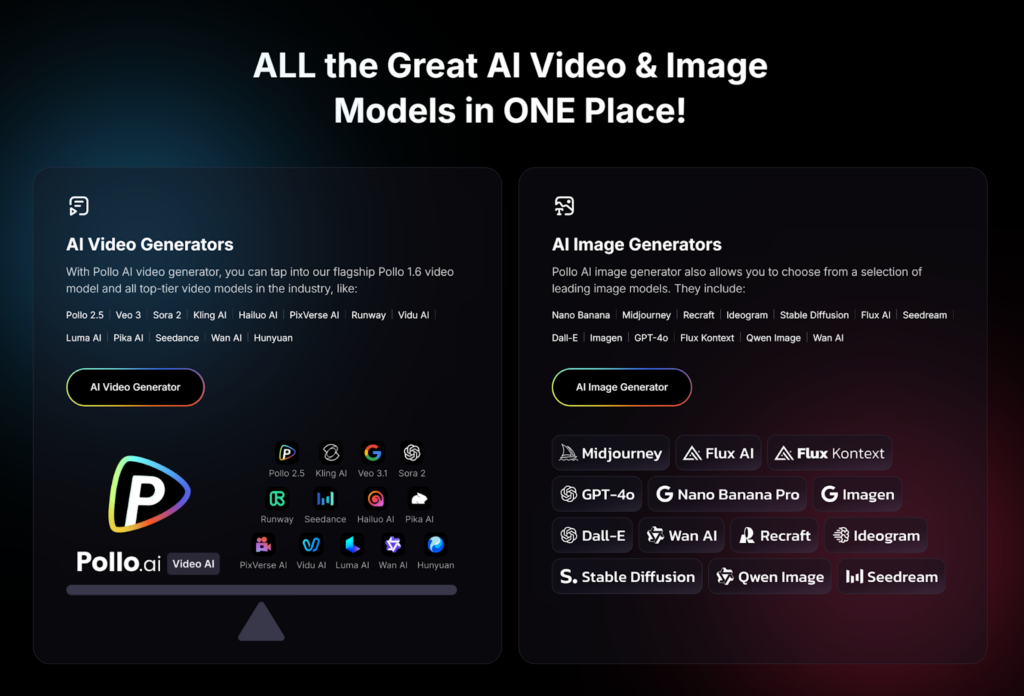
Enter Pollo AI, an all-in-one AI video platform that has become the go-to solution for creators who need speed without sacrificing quality . What makes Pollo AI particularly valuable for rapid ad creation is its role as a multi-model aggregator. Instead of juggling separate subscriptions to Kling, Runway, Luma, and others, you access all of them through a single dashboard . This means you can test different visual styles for your ad without switching tabs or managing multiple accounts—a massive time saver when you’re racing the clock.
The platform’s features align perfectly with quick-turnaround needs. Text-to-video generation transforms your product descriptions into moving visuals. Image-to-video animates existing assets like product photos or logos. For anyone serious about creating video ads efficiently, Pollo AI effectively functions as a creative agency in your pocket .
Step 1: Define Your Ad Concept
Before you touch any AI tool, clarity is crucial. The AI can execute, but you need to direct. Spend two minutes answering these questions:
- What’s the product or service? Be specific. “A blue ceramic coffee mug” works better than “a mug.”
- What’s the core message? “Perfect for morning commutes” or “Stays hot for hours.”
- What’s the desired mood? Energetic? Calm? Luxurious? Aspirational?
- What’s the visual style? Photorealistic? Animated? Cinematic? Lo-fi authentic?
Write down a one-sentence summary. For example: “A cinematic 10-second video of a steaming blue ceramic coffee mug on a rainy windowsill, warm and inviting atmosphere.”
This sentence becomes your prompt foundation. The more specific you are, the less time you’ll waste on revisions.
Step 2: Generate Your Core Visuals
Now it’s time to bring that concept to life. Open Pollo AI and navigate to the text-to-video tool. Paste your prompt and hit generate. While the platform works its magic—typically 30-60 seconds per generation—move to the next step.
Pro tip for speed: If you have existing product images, use the image-to-video feature instead. Upload a clean photo of your product and describe the motion you want: “slowly rotate on a white background” or “zoom in while steam rises.” This approach often yields better results faster because the AI doesn’t have to invent your product from scratch.
Step 3: Enhance with AI Templates
Raw footage is just the beginning. To make your ad truly pop, apply one of Pollo AI’s templates or effects. The platform includes over 40 options, from subtle enhancements to viral-ready transformations .
For product ads, consider:
- Cinematic color grading for a polished, professional look
- Slow motion effects to emphasize product details
- AI Dance Generator if your ad features animated characters or mascots
- Transformation effects for creative reveals—turning a plain box into a wrapped gift, for example
These templates would have required hours in After Effects just a few years ago. Now they’re one-click additions that elevate your ad from functional to memorable.
Step 4: Add Text and Audio
A silent video with no context rarely converts. You need words and sound.
If you’re using Pollo AI’s full suite, you can add text overlays directly within the platform . Keep it minimal: a headline (3-5 words) and a call-to-action. For audio, you have options:
- Generate with the video: If using Sora 2 through Pollo AI’s interface, you can request synchronized audio—dialogue, sound effects, or background music generated alongside the visuals .
- Add separately: Upload your own music or use royalty-free tracks. Simple ambient sound that matches your mood works wonders.
For speed, pre-select a few go-to audio tracks you can reuse across multiple ads. This cuts decision time to seconds.
Step 5: Review and Export
You’re in the final minute. Watch your ad through with fresh eyes:
- Does the product look right?
- Is the message clear?
- Does the mood match your brand?
- Are there any weird AI artifacts (extra fingers, morphing objects)?
If something’s off, don’t restart. Use Pollo AI’s reference to video feature with your current clip as a base, describing what to fix: “make the lighting warmer” or “smooth the rotation.” This iterative approach preserves your progress while refining the output.
The Bottom Line
The days of video ads being expensive, time-consuming productions are ending. In 2026, the barrier to entry is a good idea and ten minutes of focused work. Tools like Pollo AI have democratized video creation, putting professional capabilities in the hands of anyone with a prompt and a product to sell .
Your first AI video ad won’t be perfect. It might have a weird hand or a slightly off transition. But it will exist, it will convey your message, and it will reach your audience—all before your coffee gets cold. The next one will be better. And the one after that, even better still.
Leave a Reply